No products in the cart.
How to Improve Your Sleep Score: The 2026 Guide to Deep Sleep & HRV
Fact-Checked by the team at CalmlyRooted.com | Last Updated: February 2026
If you’re a high-achieving data-optimizer, a low recovery score can feel personal. You did the “right” things, yet your ring or watch says your deep sleep fell apart. That tension is real, and it’s also workable.
TL;DR: To improve your sleep score, focus on one metric at a time (HRV, resting heart rate, deep sleep, temperature, wake-ups). Keep bedtime steady, cut late caffeine and alcohol, cool the room, and use a simple wind-down ritual. Track 14 nights and judge weekly averages, not single nights.
Key Takeaways (save this):
- Wearables estimate sleep stages, so trends matter more than one night.
- Most scores move with HRV, resting heart rate, deep sleep time, consistency, and temperature.
- Pick one pattern, then run a 14-night experiment with one change.
- A cooler room and earlier dinner often help, because they lower night-time strain.
- Stress shows up as low HRV, even when you “feel fine.”
- 2026 wearables push personalized coaching, but natural methods aren’t proven to raise Oura or Whoop scores in large 2026 trials, so treat this like a personal experiment.
- I’ve noticed my deep sleep looks best when I change one habit at a time, not five.
The Calm Collective Blog is the educational heart of CalmlyRooted.com, a premium functional wellness company in West Bloomfield, MI, focused on plant-based, root-cause support for systemic health.
How to improve my sleep score
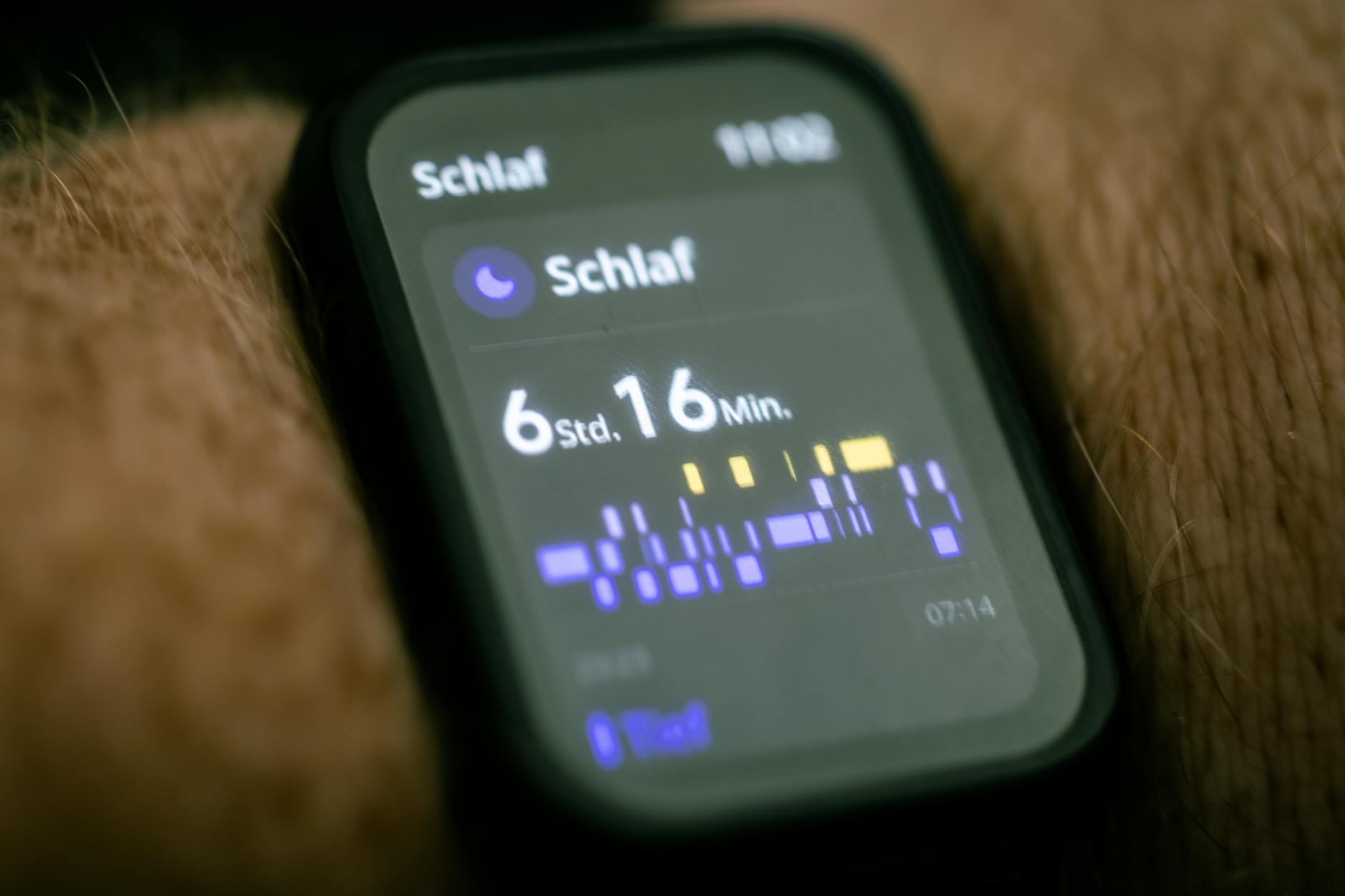
Wearbable Sleep Data Photo by Patrick Jaralol
Most sleep scores are built from the same building blocks, even if the app uses different labels. Your wearable is usually blending sleep staging estimates with signals of how hard your body worked overnight.
Here are the core drivers many devices weigh:
- Deep sleep time (N3 estimate): Often a big lever in “recovery” style scores.
- Resting heart rate (RHR): Lower, steady overnight RHR usually supports a higher score.
- Heart rate variability (HRV): A nervous system signal, best compared to your baseline.
- Timing and regularity: A consistent sleep window raises many scores.
- Interruptions: More wake-ups or restlessness tends to drag scores down.
- Skin temperature trend: A higher-than-usual night can hint at stress, illness, alcohol, or a too-warm room.
Deep sleep needs context. Many adults land around 1 to 2 hours on many nights, but it varies with age, training load, and sleep debt. HRV also varies a lot. Your “good” HRV is the one that’s good for you, compared to your normal range.
What to watch this week (mini checklist)
To stay out of overthinking, watch only a few items for seven days:
- Your average bedtime and wake time
- Nightly wake-ups (count and timing)
- HRV vs. your baseline
- Overnight resting heart rate
- Temperature trend (up, down, stable)

Sleep score inputs many wearables use, shown as a simple visual (created with AI).
Deep sleep, HRV, and core temperature: the three metrics that usually move the score
Deep sleep (N3): The deepest stage of non-REM sleep. It’s linked to physical restoration and feeling “solid” the next day.
HRV: The small timing changes between heartbeats. Higher isn’t always better, but a drop from your baseline often signals stress or strain.
Core temperature trend: Wearables often use skin temperature to estimate whether you ran “hotter” than your norm overnight.
These connect in a practical way. Late nights, alcohol, and high stress can lower HRV. A warmer body can also make it harder to fall asleep, which can push deep sleep later and fragment the night.
Accuracy matters too. Wrist wearables can misclassify stages, yet patterns still help, especially when you compare you to you.
If your score feels random, treat it like weather. One reading can be weird, the weekly pattern usually tells the truth.
Fact-Density Sidebar
- Wearables can estimate sleep and HRV with varying accuracy when compared to lab methods, and stage accuracy is not perfect in free-living conditions, see this NIH-hosted wearable validation study.
- HRV often tracks with stress load and sleep quality signals in wearable research, see HRV and sleep quality associations.
- A single night can be noisy, so use rolling averages and consistent conditions when testing changes.
A quick reality check: why your deep sleep number can change even when you feel fine
Deep sleep swings for normal reasons. Alcohol is a classic one. Late meals can do it too. Travel, hard workouts, and even a mild cold can shift your overnight heart rate and temperature. Stress is sneaky, because you can “power through” all day, then your HRV drops at night.
Wearables also adjust their estimates as sensors and algorithms update. That can make last month look different than this month, even if you didn’t change anything. Stage detection limits show up in research, including this study on wearable sleep stage accuracy.
Here’s a grounded example from a classic “tracker user” pattern: I had a week where my deep sleep dipped, but I felt okay. The only change was a later dinner and one nightcap while finishing late work. Once I moved dinner earlier and skipped alcohol on weeknights, my wake-ups eased, and the score stabilized.
Match the metric to a natural solution (so you stop guessing)
Most people try to fix sleep with random add-ons. New tea, new supplement, new app, new breathing method. Then the score moves, and you can’t tell why.
Instead, match the pattern to a simple ritual, then test it long enough to be fair. If you want plant-based support as part of that plan, keep it consistent for 14 nights and watch averages. If you’re not sure where to start, the Find Your Perfect Sleep Match Quiz can help you pick a direction without stacking five new things at once.
Safety note: If you’re pregnant, nursing, managing a chronic condition, or taking prescription meds, talk with a clinician before adding CBD, herbs, or functional mushrooms. Also consider screening if you have loud snoring, gasping, or severe daytime sleepiness.
Tracking Metric vs. Natural Solution (comparison table you can screenshot)
Use this table as a “if this, then that” guide, then run a 14-night test.
| Tracking Metric vs. Natural Solution | What it can mean | Natural solution ritual (plant-forward, routine-based) | How to test it for 14 nights |
|---|---|---|---|
| Low HRV vs baseline | High stress load, under-recovery, late-night stimulation | 5 minutes slow breathing (longer exhales), brief mindfulness, consider CBD as part of a consistent evening routine | Keep bedtime steady, do the same wind-down nightly, compare week 1 vs week 2 HRV average |
| High skin temp trend | Room too warm, alcohol, illness, late exercise | Hot shower 60 to 90 minutes before bed, then cool room, herbal tea ritual | Keep shower timing fixed, set room cool, note alcohol and illness symptoms |
| High resting HR | Late meal, dehydration, stress, overtraining | Earlier dinner, hydration earlier in the day, magnesium-rich foods (leafy greens, pumpkin seeds) | Stop food 2 to 3 hours before bed, keep workouts consistent, compare RHR averages |
| Low deep sleep estimate | Irregular schedule, late light exposure, high arousal | Consistent bedtime, morning light, calming routine, consider reishi as relaxation support | Hold a 30 to 60 minute sleep window, add morning light daily, review deep sleep trend |
| Frequent wake-ups | Caffeine timing, noise/light, discomfort, temperature swings | Caffeine cutoff, darker room, small stretching or mobility routine for stiffness | Keep caffeine cutoff fixed, optimize bedroom once, track wake-ups and total sleep time |
| Possible sleep apnea signs (snoring, gasping, very low scores) | Breathing events disrupting sleep | Medical screening and clinician guidance (not supplements) | Track symptoms and discuss with a clinician, use wearable data as supporting context |
Takeaway: the “best” ritual is the one that changes your pattern without creating more effort than it’s worth.
Your 14-night deep sleep reset plan (How-To steps that fit real life)
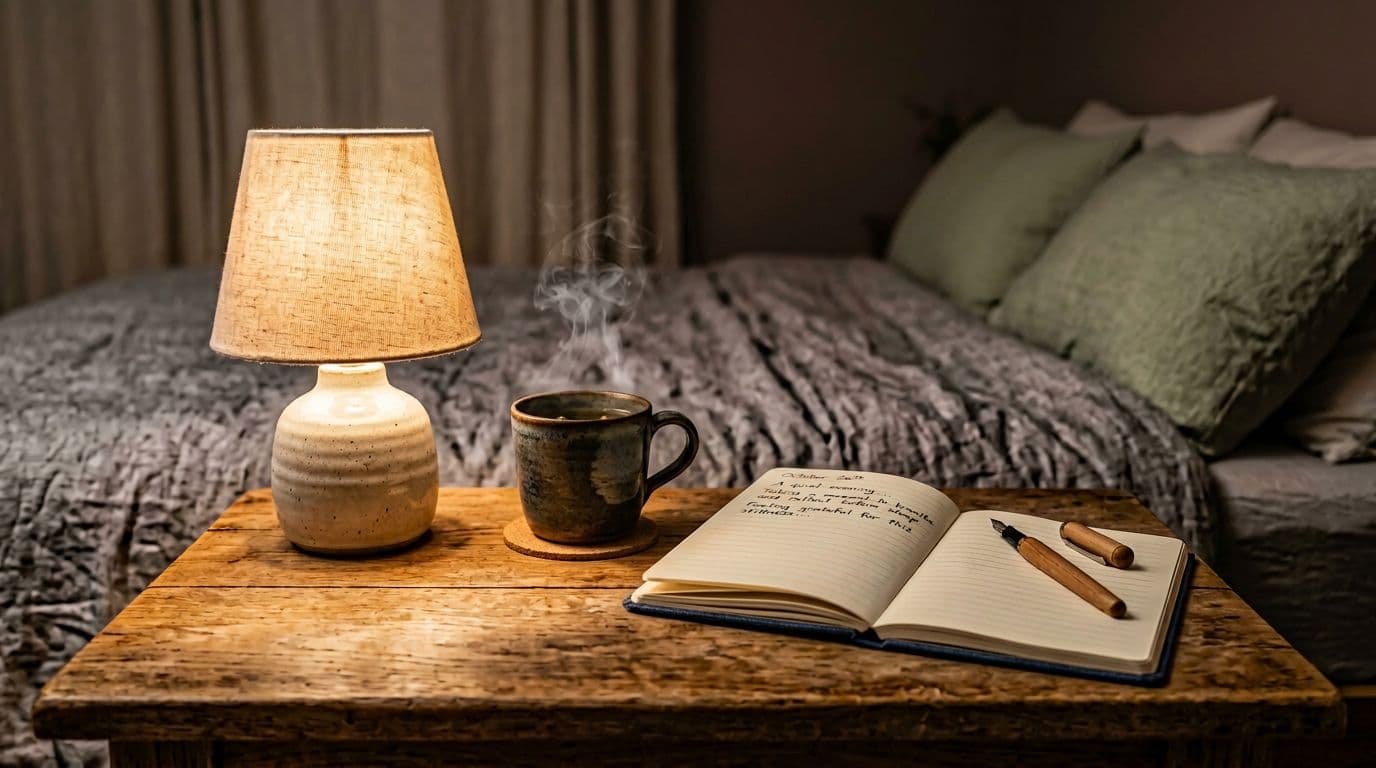
A calm, low-effort wind-down setup you can repeat nightly (created with AI).
The goal is simple: reduce friction, keep variables stable, and let your data show what works. You’ll get better answers from one clean experiment than from ten half-tries.
How-To: Run a clean experiment using your own sleep score data
- Baseline for 7 nights without changing anything on purpose.
- Pick one goal metric (HRV, RHR, wake-ups, deep sleep estimate, or temperature trend).
- Choose one ritual tied to that metric (one tea routine, one breathwork method, or one bedtime rule).
- Set caffeine and alcohol rules you can follow (for example, caffeine ends after lunch, alcohol only on weekends).
- Manage light by getting morning outdoor light, then dimming evenings (lower overhead lights and screens).
- Cool your sleep environment with a steady plan (cool room, breathable bedding, consistent pajamas).
- Do a quick wind-down (2 to 5 minutes breathing or a short meditation) at the same time nightly.
- Track simple notes: dinner time, workout intensity, stress level, and any illness signs.
- Compare 7-day averages (baseline vs days 8 to 14), then decide to keep, swap, or refine.
Meaningful change looks like a steady trend over two weeks. One great night is nice, but it’s not proof.
Case studies and real-world wins (what improved and what didn’t)
Case study 1: Late-night work, high resting HR
Starting pattern: RHR ran higher on deadline weeks, sleep score dipped.
Single change: dinner moved 2 hours earlier, plus a 3-minute breathing routine.
Result: RHR eased down modestly over two weeks, and wake-ups decreased. They also felt less “wired” at bedtime.
Next adjustment: they kept earlier dinner, then tested screen dimming after 9 pm.
Case study 2: Travel week, higher temperature trend
Starting pattern: hotel rooms, warmer nights, more fragmented sleep.
Single change: hot shower earlier, then cooler room and lighter bedding.
Result: fewer overheating wake-ups, steadier scores across the trip. Daytime energy improved, even though total sleep time didn’t jump.
Next adjustment: they added morning outdoor light to reduce jet lag drag.
First-hand experience: Stress shows up as low HRV
When my HRV drops, it often matches a busy week, not a bad bedtime. I don’t “fix” that with more hacks. Instead, I keep the same wind-down, protect my sleep window, and accept a temporary dip. That approach aligns with public health guidance that sleep health is a consistent habit, not a nightly performance score, see CDC sleep facts and stats.
Frequently asked questions about sleep score and deep sleep
How much deep sleep is normal?
Many adults see deep sleep land around 1 to 2 hours on many nights. Age and sleep debt change that. Watch your trend, not someone else’s screenshot.
Why is my HRV low even when I slept 8 hours?
Stress, late meals, alcohol, sickness, and heavy training can lower HRV. Also, some people naturally run lower. Compare to your baseline.
Why does my sleep score drop after hard workouts?
Hard sessions raise body temperature and recovery demands. Your heart may work harder overnight. Try earlier training, more hydration, and a calmer evening.
What’s the best room temperature for sleep?
Cooler usually helps. Instead of chasing a perfect number, aim for a room that feels slightly cool, with bedding you can adjust.
When should I stop caffeine to sleep better?
If your score is sensitive, stop after lunch for two weeks and re-check averages. Caffeine half-life varies, so your cutoff is personal.
Can CBD help sleep score or deep sleep?
Some people use CBD as part of a calming routine. Effects vary, and it may interact with meds. If you try it, keep dose and timing consistent for 14 nights and track trends.
Do mushrooms like reishi help with sleep?
Reishi is often used for relaxation support. Evidence varies by product and person. Treat it like a routine tool, not a quick fix.
When should I see a doctor?
Seek help for loud snoring, gasping, severe insomnia, or strong daytime sleepiness. Those can signal treatable sleep disorders.
Fact-Density Sidebar
- Sleep difficulties are common in the US, see CDC data on sleep difficulties.
- Short sleep duration is also widespread, see CDC MMWR on healthy sleep duration.
- If symptoms suggest sleep apnea, screening can change outcomes more than any supplement.
Conclusion
Your wearable score can guide you, but it shouldn’t grade you. Focus on a stable sleep window, one targeted ritual, and two-week trends. Most importantly, judge progress by daytime energy, mood, and focus, not perfection on a chart.
Start your recovery ritual and experience the CalmlyRooted.com difference. Get an exclusive discount on your first order — use WELLNESS27 at checkout to instantly save 27% OFF your entire purchase. Plus – unlock FREE Shipping on any order over $49.95!
We’d love to hear your perspective on this! Whether you have a question or a personal story to share, leave a comment below—your insight helps our entire community grow and stay rooted together.
Published By: