No products in the cart.
How Learning New Trivia Improves Cognitive Function and Reduces Stress
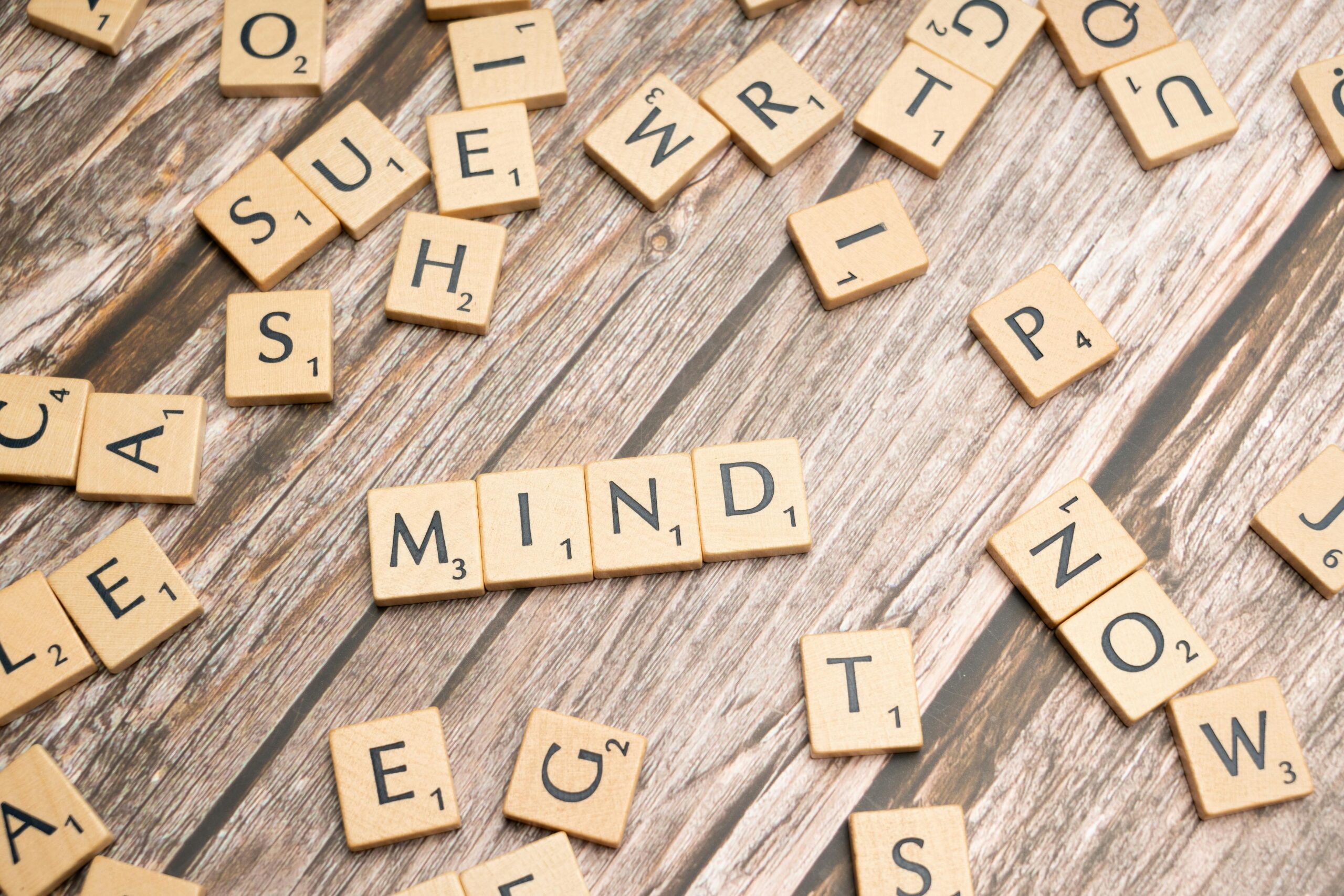
Your brain isn’t a machine that runs best on serious input only. Sometimes it needs something light, quick, and a little weird, like a fun fact about studio tricks in the 1970s, or the year your favorite album dropped.
TL;DR (not medical advice): Yes, fun facts and music trivia can support Mental Health in small, real ways. They give your mind a focused break, create tiny reward moments, and can help you feel more connected. Think of it as a low-stress habit that can support mood, reduce stress, and help with cognitive function over time.
Key Takeaways
- Trivia creates a simple “question, recall, reward” loop that can feel calming.
- Music trivia adds emotion and identity, which makes the effect stronger.
- Short, regular sessions (5 to 15 minutes) often work better than rare marathons.
- Co-op play lowers pressure and adds connection, which supports mental well-being.
- If trivia starts spiking anxiety, it’s a sign to scale it down, not push harder.
What trivia does to your brain, and why it can feel calming

Trivia is structured thinking in a friendly package. You get a question, your brain searches for the answer, and you either find it or learn it. That structure matters because it nudges you out of mental fog without demanding a huge effort.
When you’re stressed, your attention often scatters. Trivia gently pulls it back to one thing. One question. One hunt. That’s a lot like a short mindfulness exercise, except you’re focusing on a lyric, a producer credit, or a band’s original name.
It can also interrupt rumination, the looping thoughts that don’t go anywhere. A good trivia prompt is a clean detour: it’s specific, time-limited, and usually ends with a clear answer.
If you want a general overview of how trivia supports mental fitness and social connection, this article lays out the common benefits in plain terms: benefits of trivia games.
Fact-Density (quick research-aligned notes):
- Active recall strengthens recall: pulling info from memory is a key mechanism behind many cognitive training findings, especially for the skills you practice most.
- Challenge level changes the effect: tasks that are “a bit hard, but doable” tend to train attention better than tasks that are too easy.
- Consistency beats intensity: short, frequent sessions over weeks are a common pattern in brain game research, compared with occasional long sessions.
Micro-wins, dopamine, and why getting one question right matters
A single correct answer can feel like a tiny light switching on. That’s not childish, it’s biology. Your brain likes closure and small wins, especially on low-energy days when motivation is thin.
This is one reason trivia can be a healthier alternative to doomscrolling. Scrolling promises novelty but rarely gives completion. Trivia gives you a clear finish line every 30 seconds.
One of my favorite “rough week” moments is embarrassingly small: I was wiped, stressed, and walking to the store, and a song came on that I hadn’t heard in years. I suddenly remembered the next line before it hit, like my brain beat the track by half a second. That micro-win didn’t solve anything, but my shoulders dropped. I felt present again.
Active recall is a gentle workout for attention and memory
Active recall means you retrieve an answer from your own mind. Passive scrolling is the opposite, information slides by without effort. Trivia is basically active recall with better snacks.
The sweet spot is important:
- Too easy, and you feel bored.
- Too hard, and you feel stupid or tense.
Good trivia sits in the middle. It creates effort without panic. Over time, regularly practicing recall and quick thinking is one way people build “cognitive reserve,” a fancy term for having more mental backup routes when life gets demanding.
Why music trivia hits differently, emotion, identity, and connection
Music trivia is not just “regular trivia with a beat.” Music is tied to memory, identity, and body rhythm. That combo changes how it feels in your system.
A random fact about a mountain range might be interesting. A fact about the drum sound on a track you love can feel personal. Your brain tags it with emotion, and emotion is a powerful memory glue.
There’s also growing interest in how music engagement connects to brain health as people age. The National Endowment for the Arts summarized a large study suggesting music listening and music-making are associated with better cognitive outcomes in older adults (association, not a guarantee): large study on music and dementia risk. Separate research has also linked group music activities to emotional and cognitive benefits across adulthood: choir singing benefits across adulthood.
A quick vignette: a friend hosted a tiny “playlist quiz” before dinner. No prizes, no harsh scoring. Just: “Name the artist, name the year, bonus if you know who produced it.” Ten minutes in, everyone was laughing about the songs they used to pretend they didn’t like. The mood shift was obvious. People talked more easily afterward, like the trivia warmed up the room.
Nostalgia and emotion, music facts can help you shift your mood fast
Nostalgia gets dismissed as cheesy, but it can be a real mood tool. Certain songs bring back places, people, and even body sensations, like how it felt to drive with the windows down at 19.
A practical two-minute reset:
- Name the first concert you went to (or the first album you bought).
- Try to recall the opener, the venue, and one lyric you heard on repeat.
- Put on one track from that era and breathe slower for 30 seconds.
That’s music trivia as emotional regulation. It’s not magic, it’s a fast way to cue your brain into a safer, more familiar emotional state.
Shared playlists and group quizzes fight loneliness in a low-pressure way
Loneliness doesn’t always look like being alone. Sometimes it’s being with people but not connecting.
Music trivia helps because it gives you prompts. You don’t have to “think of something to say.” The question does the work, and your personality fills in the gaps.
I’ve run a mini-round over group chat that’s basically three prompts: “Finish this chorus,” “Guess the decade,” “What’s the sample?” Nobody gets shamed. People answer when they can. Afterward, the chat usually turns into sharing tracks, swapping stories, and checking in without making it heavy.
A simple, low-stress routine to use fun facts and trivia for better mental health
Goal: Give your brain a short, focused break that feels rewarding, not demanding.
What you need: a phone (or record shelf), headphones or a speaker, and a notes app or small notebook.
Fact-Density (consistency and challenge, simplified):
- Daily practice adds up: many cognitive training studies use multi-week routines (often around 8 to 10 weeks) to measure change.
- Specific skills improve most: you usually get better at what you repeat (recall, speed, attention), more than “everything at once.”
- Right-sized difficulty matters: gentle challenge tends to train focus better than mindless tasks.
Guardrails matter. If trivia turns into self-judgment, it stops being supportive. Remove timers, lower the difficulty, switch to co-op, or stop for the day. If anxiety or low mood is persistent or worsening, it’s a good idea to talk with a licensed mental health professional.
The 10-minute trivia break, a step-by-step reset you can repeat daily
- Pick a theme (one album, one artist, one decade, one genre).
- Set a 10-minute timer (optional, skip it if timers stress you out).
- Ask 5 quick questions (solo: write them down, social: text them to a friend).
- Do active recall first (no searching for 20 seconds).
- Check answers, then add one new fun fact to your notes.
- Track a “participation streak,” not a score (showed up counts).
- End with two prompts: What surprised me? and What song do I want to replay?
Make your own music trivia, tailor it to your taste and your brain
Make your trivia bank feel like you. A few easy lanes:
- Album openers and closers, guest features, and band member swaps.
- Lyrics you can finish, plus “what year did I first hear this?”
- Producers, mixing engineers, and studios (audiophile joy without gatekeeping).
- Sampling history (what got flipped, and how the groove changed).
Keep it kind. No gotchas. No shaming someone for not knowing. The point is curiosity and connection, not proving you’re the “real fan.”
Frequently Asked Questions
Is trivia actually good for mental health, or is it just a distraction?
It can be both. Trivia is a distraction in the best sense when it interrupts rumination and gives your attention something clear to hold. When it’s mildly challenging and enjoyable, it also trains focus and recall. Add a friend or group, and it supports connection, which is a real part of mental well-being.
How often should I do music trivia to feel benefits?
Most people do well with 5 to 15 minutes most days, or a longer session once a week if that’s more realistic. Consistency matters more than intensity. If you finish feeling lighter or more focused, you found the right dose. If you finish tense, shorten it and make it easier.
What if trivia makes me anxious or brings out perfectionism?
Change the rules. Remove timers, switch to co-op, lower the difficulty, and use “participation streaks” instead of correct answers. Stop as soon as you notice jaw tension or irritability. Trivia is supposed to be supportive. If perfectionism shows up in many areas of life, consider talking to a professional.
Does music trivia help memory as you age?
Music engagement is associated with better cognitive outcomes in several studies, but it’s not a promise and it doesn’t replace medical care. Music trivia may help because it practices recall, attention, and storytelling around memories. Think of it as keeping your mind active in a way that feels fun.
Conclusion
Fun facts and music trivia work because they give your brain a repeatable loop: a question, a search, a small reward, and a calmer landing. Music adds an extra layer, emotion, identity, and shared memories, which can make the mood shift feel faster and more personal. The most helpful approach is simple: keep it short, keep it regular, and keep it kind. Mental Health is built from small habits that you can actually stick with.
What’s your favorite piece of music trivia, or the one question that always gets you?
Ready to Find Your Calm Today? Experience the CalmlyRooted.com difference and get an exclusive discount on your first order. Use WELLNESS27 at checkout to instantly save 27% OFF your entire purchase. Plus – unlock FREE Shipping on any order over $49.95! “We’d love to hear your perspective on this! Whether you have a question or a personal story to share, leave a comment below—your insight helps our entire community grow and stay rooted together.”
Published By: