No products in the cart.
Elevate Your Night: The New Nootropic Margarita

Fact-Checked by the team at CalmlyRooted.com | Last Updated: February 2026
Picture this: it’s Thursday night, you want a salty rim and a bright lime kick, but you also want to wake up clear. No headache, no 2 a.m. anxiety spiral, no sleep score crash on your tracker. That tension is exactly why functional mushroom drinks and nootropic mocktails are showing up at dinner parties, sober bars, and living room “happy hours” across the US.
TL;DR: In 2026, people are swapping spirits for mushroom and nootropic mocktails because they still feel festive, but often support steadier energy, calmer mood, and better sleep than alcohol. The effects tend to be subtle, and habits matter more than one drink.
Key Takeaways
- A “mushroom margarita” is usually a zero-proof cocktail with mushroom extracts, not psychedelic mushrooms.
- “Nootropic” means ingredients people use to support focus, calm, or mental stamina.
- The appeal is simple: keep the ritual, reduce the fallout (sleep disruption, next-day drag).
- Quality varies, look for clear labeling, reasonable doses, and low sugar.
- Start low, stack slowly, and talk to a clinician if you take meds or have a condition.
The Calm Collective Blog is the educational heart of CalmlyRooted.com, a premium functional wellness company in West Bloomfield, MI, focused on plant-based, root-cause support for systemic health.
This article is educational only, not medical advice. Responses vary by person, dose, and product quality.
Functional mushroom drinks

Functional mushroom drinks are beverages made with concentrated mushroom extracts or tinctures. You’ll see them in coffee, tea, sparkling drinks, cocoa blends, and mocktails that look like classic cocktails. They’re designed for everyday wellness goals, like supporting stress response, sleep quality, focus, gut health, immune support, inflammation balance, and whole-body systemic health.
These are not the same as culinary mushrooms. White button, portobello, and shiitake are foods first. They can be great for nutrition, but you do not usually drink them as extracts. Functional mushrooms are typically used in standardized forms so the active compounds are more consistent from batch to batch.
They’re also not psychedelic mushrooms. When people say “mushroom margarita” in 2026, they usually mean lion’s mane, reishi, or cordyceps added to a zero-proof drink. No trip, no intoxication.
The term “nootropic” can sound technical, but the idea is simple. Nootropics are ingredients people use to support mental performance, like attention, calm focus, or brain stamina. Some are amino acids (like L-theanine), some are herbs (like rhodiola), and some are functional mushrooms. For a straightforward explainer of how brands define these categories, see this functional ingredients overview (adaptogens, nootropics, mushrooms).
The big promise: a social drink that supports your brain and body, not your hangover
Alcohol is a fast switch. It can change your mood quickly, then charge you for it later. Nootropic mocktails try to flip that script. People want something that still feels “adult,” but doesn’t wreck the next morning.
In 2026, the appeal often comes down to three things:
First, steady energy. Not wired, not sedated, just more even. Second, less sleep disruption. Many people track sleep now, so the hit from alcohol feels obvious. Third, a clearer head during the night and the next day.
Still, keep expectations realistic. These benefits are often subtle. One drink rarely changes everything. Most people notice more when they keep doses consistent and keep sugar modest.
Common formats include ready-to-drink (RTD) cans, drink powders, and tincture drops you add to sparkling water. If you hate earthy flavors, tinctures are often easiest because the dose is tiny.
Meet the main players: lion’s mane for focus, reishi for calm, cordyceps for clean energy
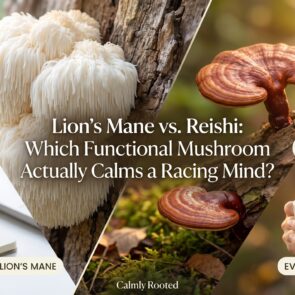
Lion’s mane is the “workday mushroom.” People choose it when they want focus support without a caffeine spike. In drinks, it’s often paired with citrus, green tea, or light ginger. The taste can be mild, especially when the extract is well-filtered.
Reishi is the “evening mushroom.” It’s commonly used in night drinks for calm routines and sleep support. Reishi can taste more bitter, so it tends to work best with cacao, vanilla, cinnamon, or a salted rim that softens the edge.
Cordyceps is the “move your body” pick. Many reach for it on gym days or long afternoons when they want clean energy and stamina support. Cordyceps blends often taste smoother than people expect, especially in berry or tropical flavors.
Modern extracts also help with texture. Early mushroom powders could taste gritty. Many newer products use finer milling and dual extraction, which reduces bitterness and that chalky mouthfeel.
Why people are replacing spirits with nootropic mocktails in 2026

This shift isn’t just about willpower. It’s about context. Work-from-anywhere stress blurred the line between weekdays and weekends. Sleep tracking became normal. Grocery prices rose, and so did bar tabs. At the same time, mindful drinking went mainstream, including “California sober” style choices that reduce alcohol without giving up social life.
If you’re deciding between a margarita and a mushroom margarita, the contrast usually looks like this:
A quick side-by-side makes the tradeoffs clearer.
| What people compare | Alcohol night | Nootropic mocktail night |
|---|---|---|
| Sleep | Often lighter, more fragmented | Often feels easier to protect |
| Next-day mood | Can include irritability or “hangxiety” | Often steadier, less foggy |
| Focus | Slower start, reduced sharpness | More normal mornings reported |
| Gut comfort | Can trigger reflux or irritation | Depends on formula and sugar |
| Cost | Higher per drink plus tips | Usually lower per serving at home |
The takeaway: alcohol gives a predictable buzz, but it also tends to tax sleep and next-day function. Nootropic mocktails prioritize how you feel after the event, not just during it.
2026 Fact Snapshot:
- The functional mushroom market is valued around USD 45.02B in 2026, with strong growth projections.
- Functional mushroom foods and drinks rose from about US$1.9B in 2025 to over US$2.2B by end of 2026.
- RTD functional beverages are expanding fast because they’re convenient and taste better than older powders.
- Lion’s mane, reishi, and cordyceps are frequently positioned for focus, calm, and energy support in beverages.
- North America leads a large share of new functional launches, including drink formats.
For a consumer-friendly look at how adaptogen drinks took over non-alcohol menus, see a 2026 roundup of adaptogen drinks.
The “third-place” effect: still festive, still adult, just less fallout
Social drinks do a job beyond alcohol content. They mark a moment. They help you slow down. They tell your brain, “Work is done.”
Nootropic mocktails fit that same ritual. You still hold a salted glass. You still order something special. You still get the tiny burst of ceremony.
For the Socially Conscious Optimizer, there’s another layer. Ingredient transparency matters. Many shoppers now read labels the way they read oat milk cartons: sourcing, added sugar, and testing.
When you’re shopping, look for details like fruiting body extracts (not vague “mushroom blend” language), third-party testing when available, and sugar that stays reasonable. A drink can be alcohol-free and still hit you with 30 grams of sugar, which defeats the point for many people.
What to watch for so you do not waste money (or upset your stomach)
Some products work better than others. Some don’t agree with everyone.
A practical checklist:
- Fruiting body vs mycelium on grain: Fruiting body extracts are often preferred for clarity and consistency.
- Extract details: If a brand lists extract ratios or beta-glucans, that’s a helpful sign.
- Added sugar: Keep it low if your goal is calm energy and stable mood.
- Caffeine load: Some “mushroom drinks” are still high-caffeine coffees.
- Medication and condition interactions: If you take meds, are pregnant or nursing, or have a chronic condition, check with a clinician.
- Sensitive stomach: Start with a smaller serving, especially if you have reflux or IBS tendencies.
Note: If a label feels vague, your results may be vague too.
How to make a mushroom margarita that tastes good and feels good
You don’t need a blender, fancy glassware, or a mixology hobby. You need fresh lime, a little sweetness, bubbles, and a mushroom extract you tolerate well. If you’re new, choose one primary mushroom and keep the rest simple.
Classic “Mushroom Margarita” mocktail recipe (beginner-friendly)
How-To (1 serving):
- Rim a rocks glass with lime, then dip in coarse salt (or tajin if you like heat).
- Shake 1.5 oz fresh lime juice, 0.5 to 0.75 oz agave (or simple syrup), and 2 oz alcohol-free tequila (optional) with ice for 10 seconds.
- Add 1 dropper of mushroom tincture (or the label serving), then shake again briefly.
- Strain into the salted glass over fresh ice.
- Top with 3 to 4 oz chilled sparkling water.
- Taste and adjust, add a touch more agave for tart limes, or more lime for sweetness.
Tips that make it better fast: use fresh citrus, chill your sparkling water, and start with a smaller mushroom dose the first time. If the flavor turns earthy, add a pinch of salt to the drink itself, not just the rim.
Some brands also build mushroom mocktails into canned drinks now. If you want to see how manufacturers talk about mushrooms in mocktail formats, this overview is a useful reference: mushrooms in functional mocktails explained.
Two smart variations: “Calm Night” reishi style and “Clear Head” lion’s mane citrus style
Calm Night (reishi style): Choose this when you want a nightcap feeling without the nightcap penalty. Use the classic build, swap your tincture to reishi, and add one thin orange slice or a dash of vanilla. Keep sweetness modest so your sleep stays protected.
Clear Head (lion’s mane citrus style): Choose this for a dinner party or a work event where you want to stay sharp. Use lion’s mane tincture, add a splash of grapefruit juice (0.5 oz), and keep the rim lighter on salt.
In 2026, people often combine mushrooms with L-theanine, rhodiola, or ashwagandha. That can be fine, but avoid stacking too many new things at once. Add one variable, then watch how you feel for a few days.
Real-world results: what people notice, and what the research can (and cannot) say yet
Here’s the honest middle ground: functional mocktails can support a healthier routine, but they aren’t a magic trick. There aren’t large head-to-head human trials that compare “mushroom margarita night” to “tequila night” across thousands of people. Evidence also varies by outcome, mushroom type, and product quality.
What research does support is the broader idea that medicinal mushrooms are being developed for functional foods and beverages, with active compounds that may influence stress response, immune support, and inflammation pathways. A good science-forward overview is this review on medicinal mushrooms in health-boosting beverages.
Mini case study: the rise of ready-to-drink mushroom beverages and “jitter-free” routines
RTD mushroom coffees, sparkling teas, and “shots” are expanding fast. That growth matches what many consumers say they want: less pill fatigue, more daily rituals, and fewer stimulant crashes. Market summaries also point to strong growth in functional mushroom categories and beverage formats in 2026.
The pattern shows up in cafes too. Instead of asking for “something strong,” customers ask for “something that won’t wreck my sleep.” That request changes menus. It also changes how people think about a night out, because the next day matters again.
First-hand experience: swapping Friday tequila for a mushroom mocktail for one month
A friend in my circle tried a simple experiment. For one month, they swapped Friday tequila drinks for a salted, lime-forward mushroom mocktail. The goal wasn’t sobriety. It was better sleep and less weekend anxiety, plus better training runs on Saturday.
They kept it boring on purpose: one mocktail, one mushroom (reishi on late nights, lion’s mane on social dinners), and no extra stacks. During week one, the biggest change was behavioral. They still wanted the ritual, so holding a “real” drink mattered.
By week two, sleep felt more consistent. They didn’t wake up thirsty at 3 a.m. as often. Saturday mornings also felt less emotionally jagged. However, the mocktail didn’t solve stress by itself. Work stress still showed up, just without the alcohol rebound.
The biggest lesson was sugar. When they used a heavy hand with agave, they slept worse. When they kept sweetness low, nights went smoother.
When you will feel it (what many people report)
- Same day: taste, vibe, and whether your stomach likes the formula.
- 1 to 2 weeks: steadier routines, less “Friday bounce” into Saturday.
- 4 to 8 weeks: clearer patterns, because consistency makes comparisons fair.
Frequently Asked Questions about mushroom margaritas and nootropic drinks
Do functional mushrooms get you high?
No. Lion’s mane, reishi, and cordyceps are non-intoxicating. They’re not psychedelic mushrooms. A mushroom margarita mocktail should not create a “high” feeling.
Are functional mushroom drinks safe to use daily?
Many people use them daily, but “safe” depends on your health, dose, and product quality. Start low, follow the label, and check with a clinician if you have a condition or take meds.
Can I mix a mushroom tincture with alcohol?
You can, but it defeats the main reason people use these drinks. Alcohol can disrupt sleep and mood. If you mix, keep alcohol low and track how you feel the next day.
What if I take medications?
Talk to a clinician or pharmacist first. Some mushrooms and adaptogens may not be a fit with certain meds or health conditions, especially if you’re managing blood pressure, immune issues, or anticoagulants.
How much mushroom extract should I use in a mocktail?
Follow the product label. If you’re new, start with half a serving to test tolerance. More isn’t always better, especially if you’re also using caffeine or other nootropics.
Will a mushroom mocktail affect sleep?
It depends on the formula and timing. Reishi-focused drinks may feel more calming for some people. On the other hand, blends with caffeine or lots of sugar can hurt sleep.
Can it cause stomach upset?
Yes, for some people. Common triggers include high doses, sweeteners, carbonation, or sensitive digestion. Try a smaller serving, drink with food, and choose lower-sugar options.
How do I choose a quality product?
Look for clear labeling (fruiting body, extract details), reasonable sugar, and transparent sourcing. If a brand provides third-party testing, that’s a strong plus.
Conclusion
Mushroom margaritas aren’t about pretending alcohol doesn’t exist. They’re about choosing a night that still feels celebratory, while protecting your sleep, mood, and next-day energy. In 2026, that trade feels worth it to a lot of people. If you’re curious, start simple, keep sugar low, and track how your body responds, because consistency tells you more than one sip.
Ready to Find Your Calm? Experience the CalmlyRooted.com difference and get an exclusive discount on your first order. Use WELLNESS27 at checkout to instantly save 27% OFF your entire purchase. Plus – unlock FREE Shipping on any order over $49.95!
We’d love to hear your perspective on this! Whether you have a question or a personal story to share, leave a comment below—your insight helps our entire community grow and stay rooted together.
Published By: