
No products in the cart.
Magnesium Glycinate for Best Sleep: Ultimate Timing Guide

Fact-Checked by the team at CalmlyRooted.com | Last Updated: April 2026
The Calm Collective Blog is the educational heart of CalmlyRooted.com, a premium functional wellness company in West Bloomfield, MI, specializing in plant-based, root-cause solutions for systemic health and wellness.
Some nights feel like this: the house is quiet, the pillow is cool, and your brain decides it’s the perfect time to replay a weird thing you said in 2019. This night-time restlessness may sometimes stem from magnesium deficiency as an underlying factor. If that sounds familiar, magnesium glycinate sleep questions make a lot of sense.
The short answer is simple. Magnesium glycinate may help some adults relax, fall asleep a bit easier by easing common insomnia symptoms, and wake up less foggy, but it works best as part of a steady bedtime rhythm.
TL;DR: Magnesium glycinate may support sleep quality and relaxation, especially when taken 30 to 60 minutes before bed. It tends to be gentler on the stomach than other forms, but dose, timing, medications, and kidney health still matter.
Key Takeaways
- Magnesium glycinate may help with sleep onset, muscle relaxation, and a calmer bedtime routine.
- Most people do best taking it 30 to 60 minutes before bed.
- Side effects are usually mild, though loose stools, grogginess, or medication conflicts can happen.
- Look, it’s not a magic pill. Routine still matters.
Does magnesium glycinate help you sleep?
For some people, yes. Magnesium bisglycinate, the technical name for magnesium glycinate, supports nerve function, muscle relaxation, and the body’s sleep-wake rhythm. Glycinate adds glycine, an amino acid often linked with a calmer, looser feeling at night. Magnesium bisglycinate interacts with the GABA neurotransmitter to promote relaxation and aids melatonin production. In plain English, it may help the body stop acting like it has one more errand to run.
The research is promising, but not perfect. A 2025 randomized, placebo-controlled trial on magnesium bisglycinate found better sleep measures in adults reporting poor sleep, with the treatment group showing clearer gains than the placebo group. A newer pilot study that was also a randomized controlled trial reported gains in sleep quality with no adverse events over two weeks; again, those receiving magnesium bisglycinate outperformed the placebo group, and long-term follow-up reinforced benefits over the placebo group. At the same time, the Sleep Foundation notes that results can vary and more strong research is still needed.
Fact-Density
- A Sleep Foundation review says magnesium may support muscle relaxation and sleep quality, though the evidence is mixed.
- Cleveland Clinic’s 2026 explainer notes magnesium is often chosen because some forms are easier on the stomach.
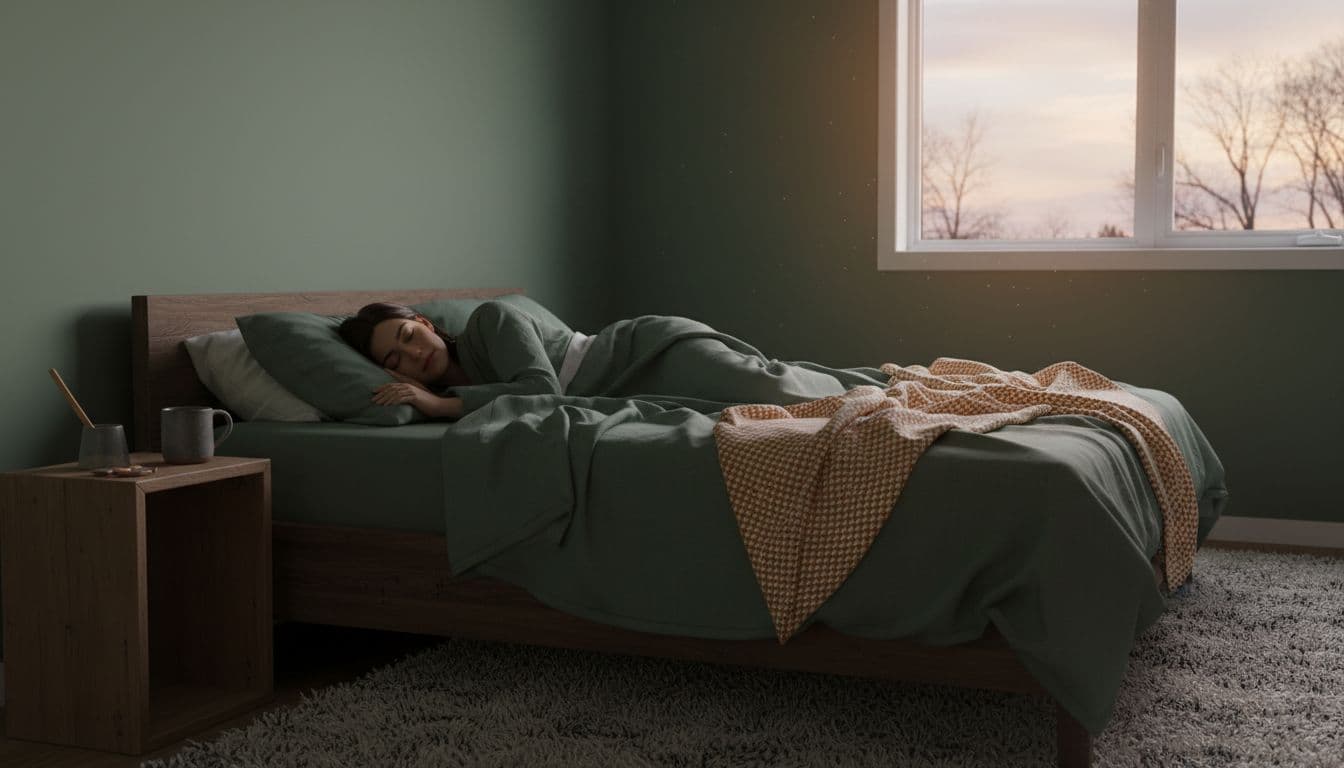
Caption: A grounded magnesium glycinate sleep ritual starts with a calm room and a steady routine. Calmly Rooted West Bloomfield MI.
When should I I take magnesium glycinate for sleep?
Most adults who use it for sleep take it 30 to 60 minutes before bed. That gives your evening routine time to do its job. Think less “knockout button,” more “dimmer switch” for your sleep-wake cycle.
Here’s the contrarian truth most people miss: timing matters, but context matters more. If you take magnesium glycinate after bright screens, late caffeine, and a big snack, you may blame the supplement when the real issue is poor sleep hygiene in the whole bedtime setup. The best results often come when the capsule or powder becomes a cue. It tells your body, “We’re done for the day,” with a calming effect on the mind.
A simple bedtime protocol for magnesium glycinate sleep works well:
- Choose a consistent bedtime and stick close to it.
- Take magnesium glycinate 30 to 60 minutes before sleep.
- Pair it with a low-noise habit, like reading or warm tea.
- Track how long it takes to fall asleep for 7 nights.
- Adjust slowly instead of jumping to a higher dose.

Caption: Timing helps, but the magnesium glycinate sleep cue works best when the whole evening softens down.
Side effects, dosage, and who should be careful
Magnesium glycinate (magnesium bisglycinate) is often chosen because it’s gentler than forms like magnesium citrate or magnesium oxide, which can cause a laxative effect. Its high bioavailability also means it’s highly absorbed by the body. Still, more is not better. Many adults start low, often around 100 to 200 mg of elemental magnesium in the evening, then adjust based on the product label and professional guidance.
Possible side effects can include loose stools, stomach upset, or feeling too relaxed the next morning. Those issues are usually dose-related. If you already take sleep aids, antibiotics, thyroid medication, or medicines that affect minerals, medication interactions matter, so spacing them appropriately is key. People with kidney disease should check with a clinician before using magnesium supplements.
A helpful tip, because labels can be sneaky: some list the full compound weight for magnesium glycinate or magnesium bisglycinate, while others list elemental magnesium. That’s the number that matters most when you compare products. And if you’re wondering why it “didn’t work” on night one, that’s normal too. Some people feel a shift fast. Others notice the change as a quieter body, fewer leg twitches, or less of that 2 a.m. ceiling-stare.
Real stories, a quick protocol, and what better sleep actually feels like
Published stories often sound like real life because, well, they are. WebMD’s look at magnesium glycinate and sleep included a woman navigating perimenopause and menopause curious about the trend after years of trouble staying asleep. That’s familiar to a lot of us. Recent trial data, measured via the insomnia severity index, tell a similar story with notable drops in scores. Better sleep quality matters because it changes the morning after, the patience you have at lunch, and whether your mental gears click into place by 10 a.m., particularly as sleep quality declines during perimenopause and menopause.

Caption: Better magnesium glycinate sleep often shows up the next morning as less fog and a softer start.
Use this as an educational insight, not a diagnosis:
| Quick self-check | If this sounds like you |
|---|---|
| You feel wired when the lights go out | Your body may need a stronger wind-down cue; these can signal insomnia symptoms |
| Restless legs syndrome or muscle cramps disrupt your shoulders or legs at night | Relaxation support may matter more than dose |
| You scroll in bed most nights | Routine is likely the first fix; try tart cherry juice as a natural sleep-aid alternative |
| Your stomach is sensitive | Start with magnesium-rich foods like spinach and nuts; glycinate as a dietary supplement may be worth considering |
| Restless legs syndrome flares with muscle cramps even after routine tweaks | Track sleep quality with tools like the insomnia severity index, not only sleep length |
If you checked 1 to 2, you’re a Routine Tweaker. If you checked 3, you’re Wired-but-Tired. If you checked 4 to 5, you may be in a Nightly Reset Needed phase.
Quick protocol: Kick off with magnesium-rich foods (leafy greens, seeds) and tart cherry juice as a natural sleep-aid alternative nightly. Build routine first, then add a magnesium glycinate dietary supplement if needed. Reassess using the insomnia severity index after two weeks.
Frequently Asked Questions
Is magnesium glycinate better than citrate for sleep?
Often, yes, for comfort. Magnesium citrate is more likely to loosen the bowels, while magnesium bisglycinate is usually easier on the stomach.
How long does magnesium glycinate take to work for sleep?
Some people notice a calmer bedtime within a few nights. Others need one to two weeks of steady use of magnesium bisglycinate and a cleaner evening routine.
Can I take magnesium glycinate every night?
Many adults do, but it depends on dose, medications, and kidney health. If you’re unsure, get personal guidance before making it a nightly habit.
Magnesium glycinate can be a useful tool for improving sleep quality and promoting muscle relaxation, especially when your evenings feel tense, noisy, or hard to shut off. But the real win often comes from the pairing, a gentle supplement, a repeatable routine, and a room that tells your nervous system it’s safe to rest.
Your Solution Center:
Find Your Nightly Reset Bundle Here and get an exclusive discount on your first order. Use WELLNESS27 at checkout to instantly save 27% OFF your entire purchase. Plus – unlock FREE Shipping on any order over $49.95
We’d love to hear your perspective on this! Whether you have a question or a personal story to share, leave a comment below—your insight helps our entire community grow and stay rooted together.
Published By: