
No products in the cart.
The 3 AM Reset: Why You Keep Waking Up and How to Fix the Cycle
Fact-Checked by the team at CalmlyRooted.com | Last Updated: April 2026
The Calm Collective Blog is the educational heart of CalmlyRooted.com, a premium functional wellness company in West Bloomfield, MI, specializing in plant-based, root-cause solutions for systemic health and wellness.
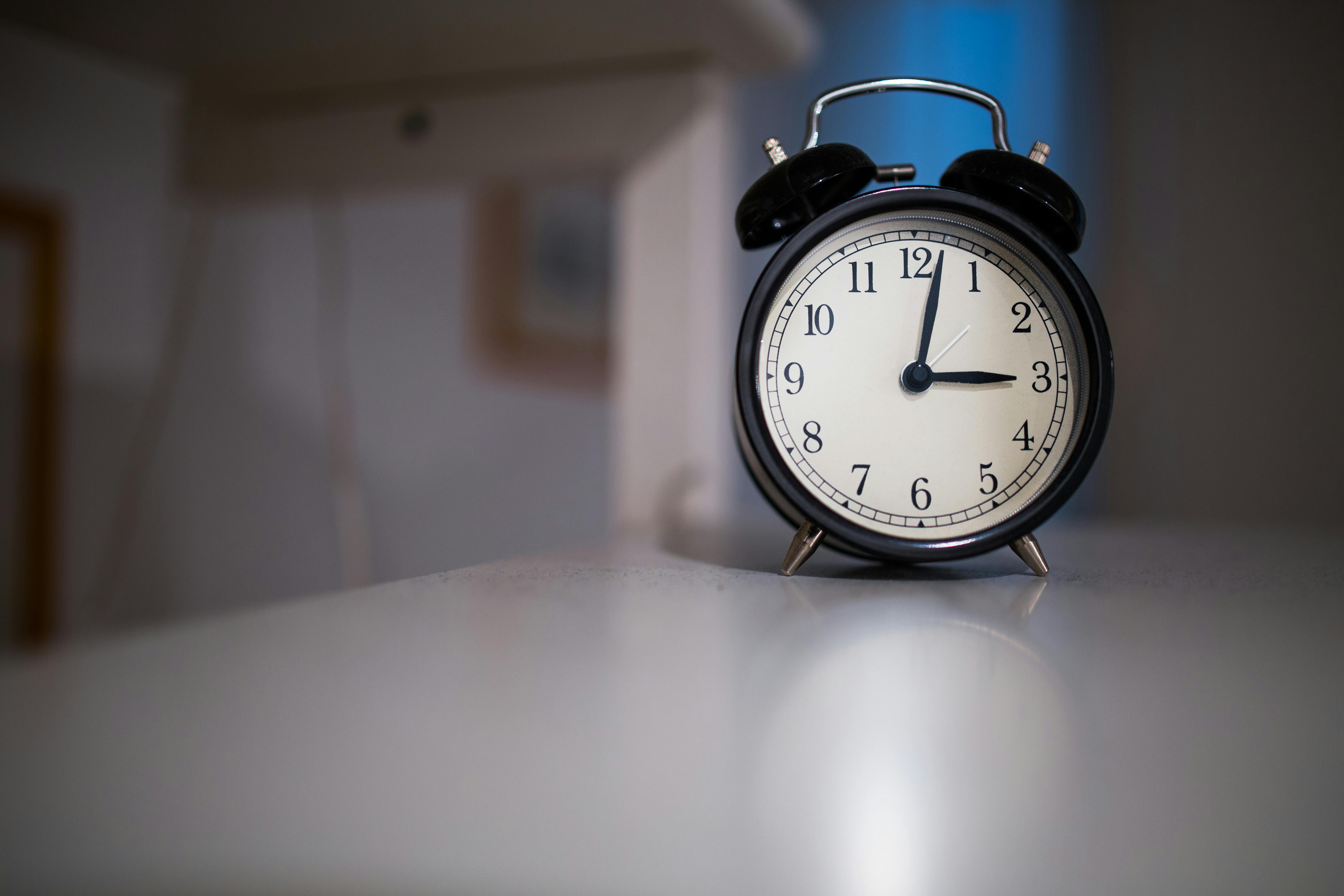
3:07 a.m., the house is still, and suddenly your brain wants to review old emails, tomorrow’s errands, and that odd thing you said in 2019. If waking up at 3am keeps happening, you’re not broken. You’re usually transitioning between sleep cycles after leaving deep sleep, catching your body in a lighter, more fragile stretch of sleep.
TL;DR: Waking at 3 a.m. often comes from a mix of sleep cycles, stress and anxiety, light, temperature, alcohol, hormones, or late eating. The fix is usually simple but consistent, calm the inputs your body reads at night.
Key Takeaways
- 3 a.m. wake-ups are common, and usually not random.
- Sleep is systemic, light, cortisol, melatonin, and routine all vote.
- The fastest win is often a steadier evening ritual, not a bigger bedtime effort.
Why do I wake up at 3 am?
For many of us, 3 a.m. lands right when sleep gets lighter, often coinciding with the onset of longer REM sleep periods. Your body moves through sleep stages in loops. Between 2 a.m. and 4 a.m., a small shift in stress, room temperature, blood sugar levels, hormones, or bladder pressure can be enough to pull you awake.
Cortisol levels also start inching upward before morning as part of your internal body clock and circadian rhythm. That’s normal. But if your system is already on edge, that rise can feel like someone flipped on a porch light in your nervous system. Add alcohol, late meals, menopause symptoms, reflux, pain, or a too-warm room, and the odds go up.
According to Sleep Foundation’s guide to 3 a.m. wake-ups, common drivers include stress, hormones, sleep environment, sleep-related conditions, and insomnia symptoms. Their page on interrupted sleep also notes that repeated wake-ups can chip away at next-day focus and mood.
Here is the contrarian piece most pages skip: the clock can become the problem. Once we start doing bedtime math at 3:12 a.m., the brain learns that hour as a cue. Night after night, checking the time can turn a normal brief waking into a rehearsed habit.
Fact-Density
- Why Do I Wake Up at 3 am? lists stress, hormones, and environment as common reasons.
- Interrupted Sleep explains why broken sleep leaves us foggy and off-balance the next day.
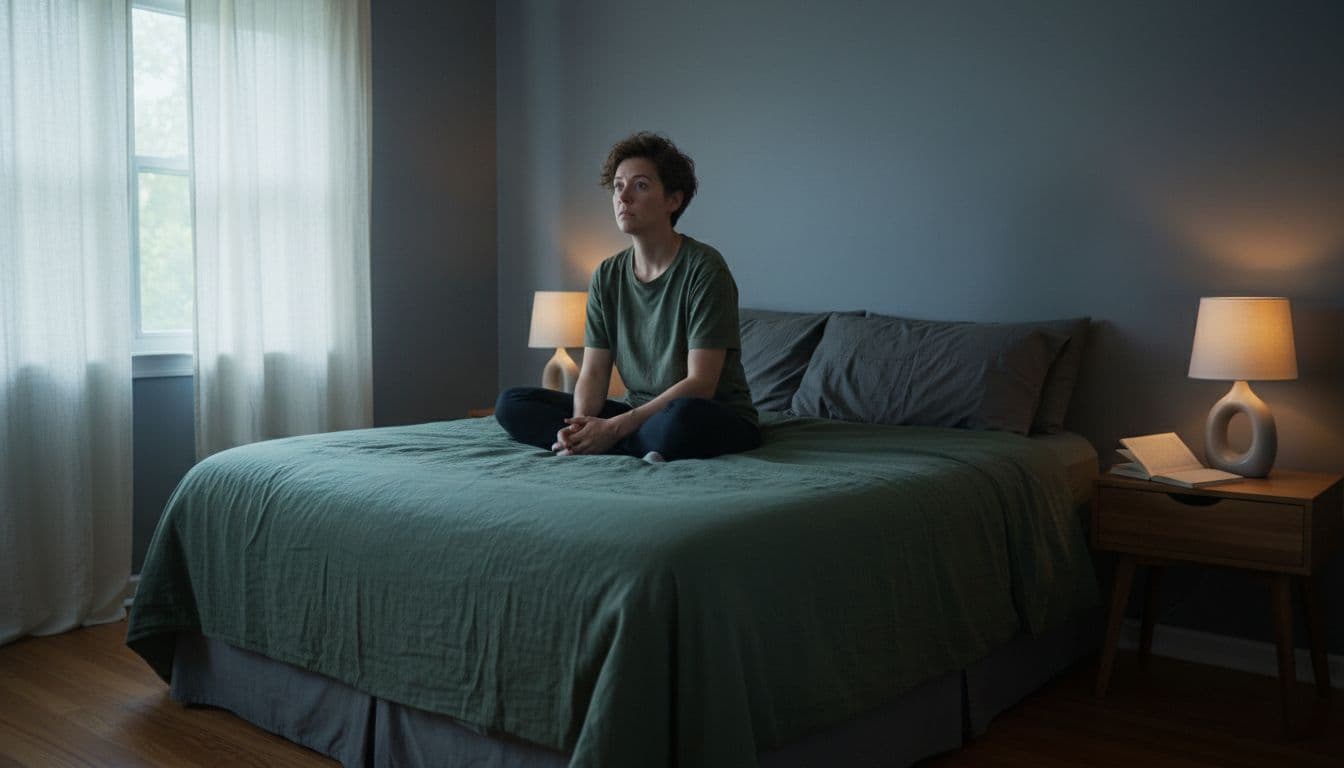
Caption: A familiar waking up at 3am moment, Calmly Rooted West Bloomfield MI.
What usually sets it off for real people
We hear two composite stories again and again around West Bloomfield kitchens and comment threads.
The first is the screen-and-snack loop. Someone works late, scrolls to unwind with blue light exposure from screens, has alcohol consumption or dessert, falls asleep fast, then pops awake hot, alert, or thirsty at 3 a.m. The body got mixed signals, bright light, a later meal sparking blood glucose levels fluctuations, a warmer core temperature, and a sleep cycle that turned shallow.
The second is the light-sleeper shift. This often shows up in midlife and later, especially with menopause-related hot flashes. Sleep gets lighter as age changes sleep architecture and reduces deep sleep duration, circadian rhythm timing creeps earlier, and a tiny sound or bathroom trip is enough to break the spell. Sleep Foundation’s page on age and circadian rhythm explains why this becomes more common over time. Their guide on waking at the same time every night also connects repetitive wake-ups to stress, environment, hormones, and routine.
Plant-based wellness can support the ritual side of sleep, but the base layer still matters most, light, timing, temperature, and a settled nervous system.

Caption: A quiet waking up at 3am self-check.
Take this quick self-assessment
Struggling with waking up at 3am? Use this as an educational insight, not a diagnosis.
| Check if this fits | What it often points to |
|---|---|
| Late alcohol, dessert, or heavy dinner | Lighter sleep, warmer body, Dawn Phenomenon |
| High caffeine intake in the afternoon | Difficulty staying asleep |
| Phone or clock checking in bed | Learned 3am alertness |
| Waking hot, thirsty, or to pee (nocturia symptoms) | Environment or timing issue |
| Mind starts planning tomorrow | Stress loop |
If you checked 1, you’re likely a Timing Tweaker.
If you checked 2 or 3, you’re likely a Wired Wind-Down.
If you checked 4, you’re likely a Night-Shifted System.
That isn’t a label for life. It simply tells us where to start.
Your simple evening protocol to improve sleep hygiene and stay asleep
Look, it’s not a magic pill. It took many of us a few tries to get the sleep hygiene ritual right. Still, small changes often work because they line up your light exposure, body temperature, and mental gears before your head hits the pillow.
- Set a hard stop for bright screens (to reduce blue light exposure and support natural melatonin production) and stressful tasks 60 minutes before bed.
- Steady dinner timing, and go easy on alcohol and late-night sugar.
- Signal sleep with dim lights (to manage light exposure and signal the internal body clock), a cooler bedroom, and one calm sensory cue, like herbal tea, relaxation techniques, or a warm shower.
- Protect the 3 a.m. moment by maintaining a consistent sleep schedule. Optimize the bedroom environment: keep it dark, skip the clock, and if you’re awake for a while, sit somewhere dim and boring until sleep returns.
If you want a plant-based ritual anchor, keep it simple and consistent. Some readers like pairing tea, darkness, and a sleep mask with the Restorative Sleep Ritual Set as part of a steady nighttime routine, not as a shortcut.

Caption: A calming waking up at 3am support ritual, Calmly Rooted West Bloomfield MI.
Frequently Asked Questions
Is waking up at 3 a.m. always caused by stress?
No. Stress and anxiety are common, but 3 a.m. often aligns with lighter REM sleep stages that make brief awakenings more likely. Other factors include room temperature, alcohol, hormones, reflux, age-related sleep changes, and bathroom trips.
What should I do when I wake up at 3 a.m.?
During a nocturnal awakening like this, keep lights low, don’t check the time, and avoid your phone. If you’re fully awake after a bit and past the lighter REM sleep phase, do something quiet in dim light, then return to bed when sleepy.
When should I talk with a clinician?
Reach out to a sleep specialist if it happens most nights for weeks, or if it comes with loud snoring, gasping, chest pain, strong daytime sleepiness, major mood changes, sleep apnea, or other sleep disorders.
To help regulate your body’s clock for the following night, expose yourself to morning sunlight soon after waking.
That glowing clock doesn’t always mean something is wrong. Most often, it means your body needs fewer mixed signals and a steadier landing strip at night.
Your Solution Center:
Find Your Nightly Reset Bundle Here and get an exclusive discount on your first order. Use WELLNESS27 at checkout to instantly save 27% OFF your entire purchase. Plus – unlock FREE Shipping on any order over $49.95
We’d love to hear your perspective on this! Whether you have a question or a personal story to share, leave a comment below—your insight helps our entire community grow and stay rooted together.
Go Deeper: Master your evening transition with our Nightly Sleep Hygiene Guide: Simple Rituals for a Better Life.
Published By: