No products in the cart.
Stop the CBD Poison: Shatter the Deception Now
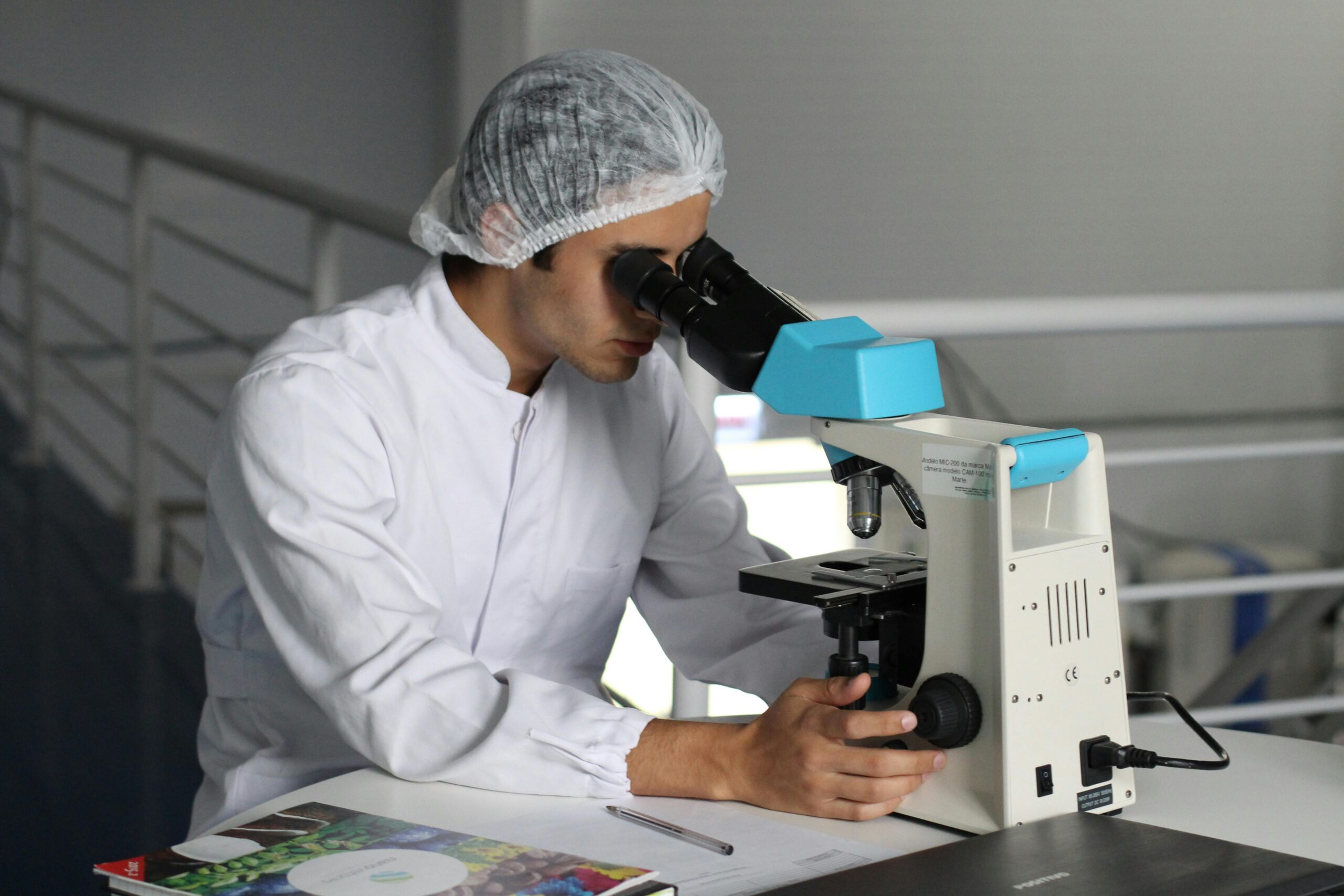
CBD lab reports should make things clear, not confusing. Yet many brands count on how tricky CBD Lab Results can look, then use that confusion to hide weak potency, dirty oil, or old product behind nice-looking PDFs.
At its core, a CBD lab report is simple. It is a test from an independent lab that shows what is really in the product, including how much CBD it has and whether it is free of heavy metals, pesticides, and other contaminants.
In this post, you will see 5 major red flags to watch for, like fake or unnamed labs, missing potency data, no batch or date match, absent safety panels, and recycled reports that never change. You will also see how a strong testing process is built to avoid each of these, from farm to finished bottle, as outlined in this 6-step quality process with lab reports. If you want to check the real data for yourself, you can review current CBD Lab Results any time.
Red Flag 1: Missing or Hard-to-Find CBD Lab Results
If a brand makes it hard to see CBD lab results, it is already giving you an answer. You should not have to dig, email, or message support just to find out what is in your bottle. Honest products put proof up front.
When lab reports are hidden, you are left guessing about safety, strength, and whether the product is even legal.
Why Hidden Lab Reports Are a Sign to Walk Away
When a brand says “lab tested” but offers no report, or tells you to “email us for results,” that is a red flag. In many cases, it is a sign that the numbers on the label do not match what is in the bottle.
Without easy access to CBD lab results, you face real risks:
- Unknown strength: You might think you are taking 25 mg per serving, but it could be 5 mg or 50 mg. That means wasted money or a much stronger dose than you planned.
- Hidden THC: A “THC-free” label does not mean much without a lab report to back it up. Extra THC could cause impairment, or show up on a drug test.
- Contaminants: Hemp pulls heavy metals and pesticides from soil. If there is no safety data, you do not know if you are swallowing lead, residual solvents, or mold.
- Outdated or wrong product: If you cannot see the batch number and test date, you cannot tell if your bottle matches the report at all.
- No third-party oversight: Vague claims like “tested in-house” mean the brand is grading its own homework.
To understand why this matters, picture a simple example. A bottle says “1000 mg CBD,” “THC-free,” and shows a nice hemp leaf on the label. There is no QR code, no link, and the website only mentions “third-party tested” in a single line of text. You trust the label and take it daily.
If you later find a real report, you might learn it has only 400 mg of CBD, contains detectable THC, and has never been screened for heavy metals. The label looked clean, but without lab backup, it was marketing, not proof.
CBD itself can interact with medications or affect the liver at high doses, which is why medical sources like the Mayo Clinic’s overview on CBD safety and the SAMHSA brief on CBD risks stress careful use. If you do not even know what is in your product, you cannot use it in a careful way.
When lab results are missing or buried, the safest move is simple: skip that product.
How Calmly Rooted Puts CBD Lab Results Front and Center
Calmly Rooted takes the opposite path of hiding reports in emails or obscure links. Lab transparency is built into how the products are presented.
You can see all current lab results on the lab results page. Everything is in one place, which keeps things simple:
- One hub for every product: Don’t guess which report goes with which bottle. Product names and batch numbers are clear.
- Fast access: You are never asked to “contact support” for a certificate of analysis. If you have internet access, you have the data.
- Easy comparison: You can compare CBD strength, purity, quality, across different Calmly Rooted products before you buy.
- Plain, readable format: The reports are structured so regular people, not just chemists, can understand them.
- Real third-party testing: Independent labs verify potency and check for contaminants like heavy metals, pesticides, and microbes.
This kind of open access changes the buying experience. Instead of hoping a label is honest, you can:
- Match the batch number on your bottle to the report.
- Check that the CBD content lines up with what you are paying for.
- Confirm THC levels fit your comfort zone.
- See that safety tests were done on that exact lot.
When CBD lab results are front and center, trust is not a slogan, it is something you can see for yourself in a few clicks.
Red Flag 2: CBD Lab Results That Do Not Match the Product Label
When CBD Lab Results do not match what the label claims, the whole product comes into question. You are not just dealing with a tiny math issue. You are dealing with trust, dosing, and in some cases, legal THC limits.
Researchers have found that many hemp and CBD products either fall short of their label claim or go far above it, sometimes by more than 10 percent in either direction, which is considered inaccurate potency labeling in scientific reviews like this CBD labeling accuracy and contamination analysis. That is why it helps to know how to do a quick label-vs-lab check on your own.
When you learn to compare the numbers, a confusing PDF starts to look more like a simple receipt for what is in your bottle.
How to Quickly Check if the Lab Numbers Match the Label
You do not need a science degree to spot label problems. Follow this basic checklist whenever you open a CBD lab report.
Find the CBD amount on the product label:
Look at the front or back of the bottle or jar. You will usually see something like:
“1000 mg CBD per bottle”“30 mg CBD per gummy”“50 mg CBD per serving”
Write that number down or keep it in mind.
Find the same number on the lab report
On the lab report, look for:
“Total CBD” or “CBD (mg/g)” or “CBD (mg/mL)”A note like “Amount per unit” or “per bottle,” “per serving,” or “per piece” – If the lab uses per milliliter (mL) or per gram, you may have to multiply.
Use a simple example to check the math
Imagine a tincture label says:
Bottle size: 30 mLStrength: 1000 mg CBD per bottle
The lab report shows:
CBD: 33 mg/mL
Quick math: 33 mg/mL × 30 mL = 990 mg CBD in the bottle. That is basically the same as 1000 mg.This is what you want to see.
Know what “close enough” looks like
Tiny differences are normal because no batch is perfect. As a rule of thumb, it is usually fine if the lab result is within about 10 percent of the label claim:
Label: 1000 mg CBDLab: 900 to 1100 mg CBD is typically acceptable
Scientific reviews often use that 90 to 110 percent range as a fair window, and anything outside it is labeled inaccurate
Spot the big red flags
Watch for these serious warning signs when you compare the label to the CBD lab results:
Red flag 1: Way under strength
Label says 1000 mg, lab shows 400 mg. You are paying for a strong bottle and getting a weak one.
Red flag 2: Wildly over strength
Label says 25 mg per gummy, lab shows 60 mg per gummy. Your dose could be more than double what you planned.
Red flag 3: THC above legal or comfort level
A hemp product in the U.S. should have no more than 0.3 percent delta-9 THC by dry weight. If the lab shows more than that, or high THC in a “THC-free” product, walk away.
Red flag 4: “Zero THC” on label, but THC on the lab
If the label promises “0.0% THC” and the lab shows any measurable THC, even a small amount, the brand is not being honest.
Red flag 5: No CBD detected at all
A “CBD” product that shows “ND” (none detected) for CBD is a straight-up fake.
Red flag 1: Way under strength
Label says 1000 mg, lab shows 400 mg. You are paying for a strong bottle and getting a weak one.
Check the units so you are not being tricked
Some labels play games with units. For example:
Label: “1000 mg hemp extract”Lab: 300 mg CBD, with the rest as other plant oils
That means it is not a true 1000 mg CBD product. Brands that want to educate, not confuse, are clear about CBD milligrams, not just “hemp oil.”
A good habit is to start pairing this label-vs-lab check with any product you use often, especially if you count on it for pain or inflammation relief. If you want to see how real, batch-matched reports look, you can compare these tips with the live Calmly Rooted Lab Results.
How Calmly Rooted Verifies Potency So You Get What You Pay For
Calmly Rooted builds everything around one simple idea: the number you see on the label should be the number you feel in your body. That is why every batch goes through independent, third-party labs that test for potency and safety, not just once, but on an ongoing basis as new batches are made.
Here is what that looks like in practice:
- Third-party potency testing for every batch
Each production run is tested outside of Calmly Rooted by accredited labs. They measure total CBD, minor cannabinoids, and THC.
Red Flag 3: Lab Reports That Skip Safety Tests for Contaminants

Photo by Jess Loiterton
When CBD lab results only show how much CBD and THC are in the bottle, but say nothing about safety, that is a serious red flag. Potency is only half the story. You also need to know what else might be in your oil, gummies, or capsules.
Contaminants often do not change taste or smell, so the lab report is your only real window into long-term safety.
The Hidden Dangers of Pesticides, Heavy Metals, and Solvents in CBD
Some of the most important parts of CBD lab results are the quiet ones: the lines that show your product is free from common contaminants. Here is what you are watching out for.
Pesticides:
These are chemicals used on crops to kill insects and mold. Hemp is very good at soaking them up from soil and spray. If pesticides build up in your body over time, they can stress your liver, affect hormones, and cause issues for people with asthma or allergies. For daily CBD users, clean pesticide results mean peace of mind.
Heavy metals:
Metals like lead, arsenic, or mercury can be present in soil and water. Hemp absorbs them and they can end up in the final extract. Heavy metals do not leave the body easily, so long-term exposure can harm the brain, kidneys, and nervous system, especially in kids, older adults, and people with chronic illness.
Residual solvents:
Solvents are strong liquids used to pull CBD from the plant. When a product is poorly made, traces of these solvents can stay in the oil. Breathing or swallowing too many solvents over time can bother your lungs, affect your nervous system, and add more strain to your liver than you want from a wellness product.
When you use CBD every day, even tiny amounts of these contaminants can add up. That is why a real safety panel is just as important as the CBD number on the front page.
How to Read the Safety Section of CBD Lab Results
Once you know what you are looking for, the safety part of CBD lab results gets easier to read. You do not need to know every technical term, you just need to follow a few key signals.
Here are the main things to look for on a lab report:
- A clear safety or contaminant section labeled something like:
- Pesticides
- Heavy Metals
- Residual Solvents
- Microbials or Microbiology (for mold and bacteria)
- “ND” (Not Detected)
This is a good sign. It means the lab did not find that contaminant above its testing limit. Think of “ND” as “none found at meaningful levels.” - “Pass”
You will often see “Pass” next to each group of tests. That means levels are either ND or below strict safety limits. A clean report might show “Pass” for each line, or one “Pass” for the entire pesticide or metals panel. - “Fail” or a high number in bold
If you see “Fail,” or a value that is marked in bold or outside the “acceptance criteria,” the product did not meet safety limits. That batch should not be sold.
For quick scanning, keep these 5 safety red flags in mind:
- No safety section at all, only potency.
- Only one or two contaminant tests, not a full panel.
- “Pass” shown, but no numbers, limits, or methods to back it up.
- Strange footnotes that say “tests not performed” for key items like pesticides or metals.
- Old safety data reused across many batches with no matching batch number.
If a report skips safety testing completely, or only shows a tiny slice of it, treat it as if you know nothing about that product’s purity. Because you don’t.
How Calmly Rooted Uses Full-Panel Testing to Protect Your Wellness
Calmly Rooted treats safety as a must-have, not a bonus. Every batch goes through full-panel testing, so you can focus on how CBD makes you feel, not on what might be hiding in your dropper.
Here is what that looks like in practice:
- Full contaminant panels
Calmly Rooted checks tests for pesticides, heavy metals, residual solvents, and microbes, not just CBD and THC. You see the safety story, not just the strength story. - Clear “ND” and “Pass” results
Results are laid out so regular people can read them. If something is not detected, it is marked that way. If a batch passes, you see it right beside the actual test numbers. - Batch-matched reports for every product
You can match your bottle or jar to its lab report on the CBD Lab Results page. That keeps you from guessing whether an old or different batch was tested. - Transparency that lowers your stress
When you know a product is checked for pesticides, metals, and solvents, you do not have to worry about hidden toxins. You can pay attention to what really matters to you, like better sleep, calmer days, or less soreness after a workout.
Full-panel CBD lab results are not a luxury. They are the basic proof that what you take for wellness is actually working for you, not against you.
Red Flag 4: Old, Outdated, or Reused CBD Lab Results
CBD Lab Results are like a time-stamped report card for your product. If that report card is old, vague, or recycled across different items, you have no real idea what is in the bottle you are using today.
Many brands count on the fact that most people glance at the PDF, see a logo, a few numbers, and move on. This is where outdated or reused reports sneak by unnoticed.
Why Fresh Lab Reports and Batch Numbers Matter
Every CBD product is made in a batch. A batch (or lot) is a specific group of products made at the same time, using the same ingredients and process. That batch gets its own unique batch or lot number.
That number should appear in two places:
- On your product label (bottle, jar, or box)
- On the lab report for that exact product
When those numbers match, it tells you that the CBD Lab Results you are reading apply to the product in your hand, not to some older run that is long gone.
Here is why fresh, batch-specific reports matter:
- Ingredients can change: Different farms, seasons, or suppliers can change the cannabinoid profile and contaminant risk.
- Processes can change: A new extraction method or equipment can shift potency or solvent levels.
- Quality can drift over time: Without current testing, a brand might slowly slip on quality and hope you do not notice.
- Storage affects stability: Heat, light, and time can break down cannabinoids and terpenes, so a two-year-old test does not prove today’s bottle is still strong.
Think of a lab report as a “snapshot” of one batch at one point in time. If that snapshot is very old, or not tied to a clear batch number, it becomes almost meaningless for your current product.
If you want a deeper walk-through of how fresh COAs protect you, this guide on how to read CBD lab reports is a helpful extra resource.
How to Spot Outdated CBD Lab Results at a Glance
You can spot old or recycled reports in under a minute. Use this quick checklist whenever you open a COA.
Check the test date
Look for “Date Tested” or “Report Date.” Then ask:
Is it from the last 12 months?
Or is it from one, two, or even three years ago?
A very old date is a clear warning. Hemp quality, regulations, and production standards move fast, so a 2-year-old report does not protect you today. The NuLeaf Naturals COA guide also stresses the need for a recent, batch-specific report for real safety.
Match the batch or lot number
Find the batch or lot number on:
Your bottle or boxThe top section of the lab report
They must match. If there is no batch number on the report, or it does not match your product, you are looking at generic data, not your actual batch.
Confirm product name and strengthThe report should show:
The same product name (for example, “Mint CBD Tincture”)The same CBD strength (for example, “1000 mg CBD”)
If the name or strength is different, the report belongs to another product.
Scan for “copy-paste” patterns
Some brands reuse one lab report for everything. Fast red flags:
Red flag 1: Same lab report used across multiple products or flavors.
Red flag 2: Identical results for different strengths, like 500 mg and 1500 mg showing the same numbers.
Red flag 3: No batch or lot number at all.
Red flag 4: Old test date, usually more than 12–18 months back.
Red flag 5: A “template look,” where product details feel copy-pasted and never change.
If any of those show up, it is safer to move on to a brand that treats CBD Lab Results as real quality control, not as marketing.
When you are ready to see what clean, current, batch-matched reports look like in practice, you can compare these checks with the live data on the
Red Flag 5: Confusing, Cropped, or Fake-Looking Lab Reports
Some CBD brands know most people will not read lab reports closely. So they hide behind cluttered layouts, blurry screenshots, or half-missing pages that look “official” at first glance, but fall apart when you zoom in. When CBD Lab Results look strange, broken, or overly polished, you should slow down and start asking questions.
Messy or fake-looking reports are not just annoying. They are often a smoke screen for weak potency, missing safety tests, or numbers that have been edited.
Here are five red flags to keep in mind with any PDF or QR-code report:
- Cropped or chopped pages that cut off signatures, tables, or footnotes.
- Blurry screenshots or photos of a COA instead of a clean PDF from the lab.
- No lab branding at all, just a plain table with numbers and no logo.
- Inconsistent fonts and layout, like someone pasted pieces from different documents together.
- Too-perfect numbers, such as exact round amounts with no decimals or variation, across multiple batches.
Independent testing experts warn that misleading COAs are a real problem in hemp and cannabis, and they often share similar red flags to the ones above, like the patterns described in this guide on COA red flags and fraudulent cannabinoid lab reports. When a report looks like it was built to impress, not to inform, that is a sign to dig deeper.
Simple Ways to Tell if a CBD Lab Report Is Legit
You do not have to be a chemist to spot a fake or sketchy report. A quick visual scan can tell you if the document came from a real lab or from someone’s design software.
Use this short checklist every time you open CBD Lab Results:
- Lab name is visible
You should see a clear lab name and logo at the top of the report. If it is missing, generic, or looks unrelated to cannabis testing, that is a bad sign. - Contact info is present
A real lab includes a phone number, email, and often an address or website. If there is no way to contact the lab, you cannot verify anything. - Pages look complete, not cut off
Scroll to the bottom. Do you see full lines of text, page numbers, and intact tables, or do things look cropped? Missing edges can hide failing data or disclaimers. - Signature or stamp from the lab
Most legitimate COAs include a digital signature, a name, or a certification stamp. If there is no sign that an actual lab director approved it, treat it with caution. Some brands even share screenshots instead of the original, which is one of the warning signs called out in many “how to read a COA” guides, like this breakdown on reading and verifying a CBD lab report. - Product info matches what you bought
Check product name, flavor, CBD strength, and batch or lot number. If you bought a 1000 mg mint tincture and the COA says 500 mg natural flavor softgels, that report is not for your product. - Layout looks professional, not homemade
Clean tables, consistent fonts, and clear section headings are good signs. Random fonts, spelling errors, or clumsy formatting make it harder to trust the numbers.
If you feel confused even after trying to match the basics, or if the report seems too perfect to be real, trust your gut. Honest brands want you to understand the lab data, not get lost in it.
How Calmly Rooted Keeps Third-Party Testing Clear and Honest
Calmly Rooted takes the confusion out of CBD Lab Results by keeping everything simple, complete, and easy to verify. Instead of screenshots or edited summaries, you get full, unedited reports from independent third-party labs, linked directly on the Calmly Rooted lab results page.
Here is what that clarity looks like in practice:
- Only trusted third-party labs
Calmly Rooted works with established, accredited parners that specialize in hemp and cannabis testing. Their names, logos, and contact details are all visible on every COA, so you can reach out if you ever want to double-check a report. - Full reports, not cherry-picked pages
You see the complete document, including potency, safety panels, batch numbers, dates, and signatures. Nothing is cropped just to show the “good” parts. - Straight match between product and report
Product name, CBD strength, and batch or lot numbers on the COA match what is printed on the label. That match is key to Calmly Rooted’s promise of clean, batch-specific quality, and it ties into the broader 6-step process described in the guide on how Calmly Rooted gummy products builds high-quality CBD from farm to bottle. - Readable layout for real people
The reports are structured so you do not need a science background. Sections are clearly labeled, and the most important numbers are easy to spot.
This level of honesty does more than protect you from fake or confusing reports. It helps you feel safe with what you are taking, so you can focus on why you use CBD in the first place: calmer days, better sleep, less tension, and real wellness support, not marketing tricks.
How to Use CBD Lab Results to Choose the Right Calmly Rooted Product

Photo by Pixabay
CBD Lab Results are not just a safety check. They are a practical tool
Conclusion
Not all CBD Lab Results deserve your trust, but you are not powerless. By spotting 5 simple red flags, you can protect your health, your money, and your peace of mind.
Watch out for: (1) Missing or hard-to-find lab results, where you cannot see proof at all; (2) Lab numbers that do not match the label, so you never know your true dose; (3) Reports that skip safety tests, leaving you in the dark on pesticides, metals, and solvents; (4) Old, outdated, or batch-free reports, that say nothing about the bottle in your hand; and (5) Confusing, cropped, or fake-looking PDFs, that feel more like marketing than science.
Calmly Rooted’s testing approach is built to avoid every one of these problems. Current, batch-matched CBD Lab Results, full safety panels, and complete, third-party PDFs on the CBD Lab Results page give you clear proof instead of guesswork. That clarity is not just about compliance, it is a sign of respect for you and your wellness journey.
If you want more background on how Calmly Rooted tests and why it matters, the CBD FAQs – Lab Testing Details are a helpful next step.
When you are ready, explore Calmly Rooted’s products with confidence, knowing the lab reports back you up. Use code WELLNESS27 to save 27 percent and enjoy free shipping on orders over $49.95, and feel good knowing your CBD is as clean and honest as it claims.
Published By: