
No products in the cart.
Tired but Wired? Why You Can’t Sleep & How to Fix It
The Calm Collective Blog is the educational heart of CalmlyRooted.com, a premium functional wellness company in West Bloomfield, MI, specializing in plant-based, root-cause solutions for systemic health and wellness. | Last Updated: May 2026
You turn off the kitchen light, brush your teeth, and crawl into bed weighed down by physical exhaustion, feeling like wet cement. Then your brain decides it’s showtime, sparking difficulty falling asleep as old emails, tomorrow’s errands, and that weird thing you said in 2018 all flood in.
Need To Know: If you’re tired but can’t sleep, your body may be sleepy while your nervous system is still on duty. Stress, screens, caffeine, naps, and an off-beat sleep schedule often keep the mind buzzing after the body is done.
Key Takeaways
- The usual issue is hyperarousal, not a lack of tiredness.
- Light, timing, and routine matter more than most people think.
- A calm, cue-based bedtime ritual can help the body downshift.
- Ongoing sleep trouble deserves a conversation with a qualified clinician.
Why am I tired but can’t sleep?
Most nights like this, when you’re tired but can’t sleep, come down to one frustrating mismatch. Your sleep pressure, the daytime sleepiness that builds from hours awake, is high, but your brain still feels alert. In plain language, your body wants rest while your stress and anxiety response is still pacing the hallway.
The biggest reasons are usually simple, even if they don’t feel simple at 11:47 p.m. Stress, irregular sleep hours, caffeine consumption that disrupts sleep quality, long naps, bright screens, alcohol, and a too-busy bedtime all play a part. The Sleep Foundation’s guide to insomnia causes points to those same patterns, and notes that these issues can lead to short-term insomnia affecting as many as 35% of adults.
One contrarian truth that doesn’t get enough airtime: sometimes you’re not under-slept, you’re under-decompressed. Modern evenings often go from problem-solving to pillow in ten minutes. That’s like slamming the brakes on black ice. The body doesn’t love it.
Researchers are also paying close attention to the “wired but tired” pattern. A 2024 PMC paper on pre-sleep arousal and neuroendocrine hormones found links between pre-sleep arousal and hormone patterns in chronic insomnia. In normal-people terms, a revved-up mind can keep the whole system on alert.
Fact-Density
- Stress, irregular schedules, and lifestyle habits are among the most common triggers named by the Sleep Foundation.
- A 2024 clinical pilot study in Sleep Medicine examined nighttime stress-related hormone changes alongside sleep-wake states in people with chronic insomnia.
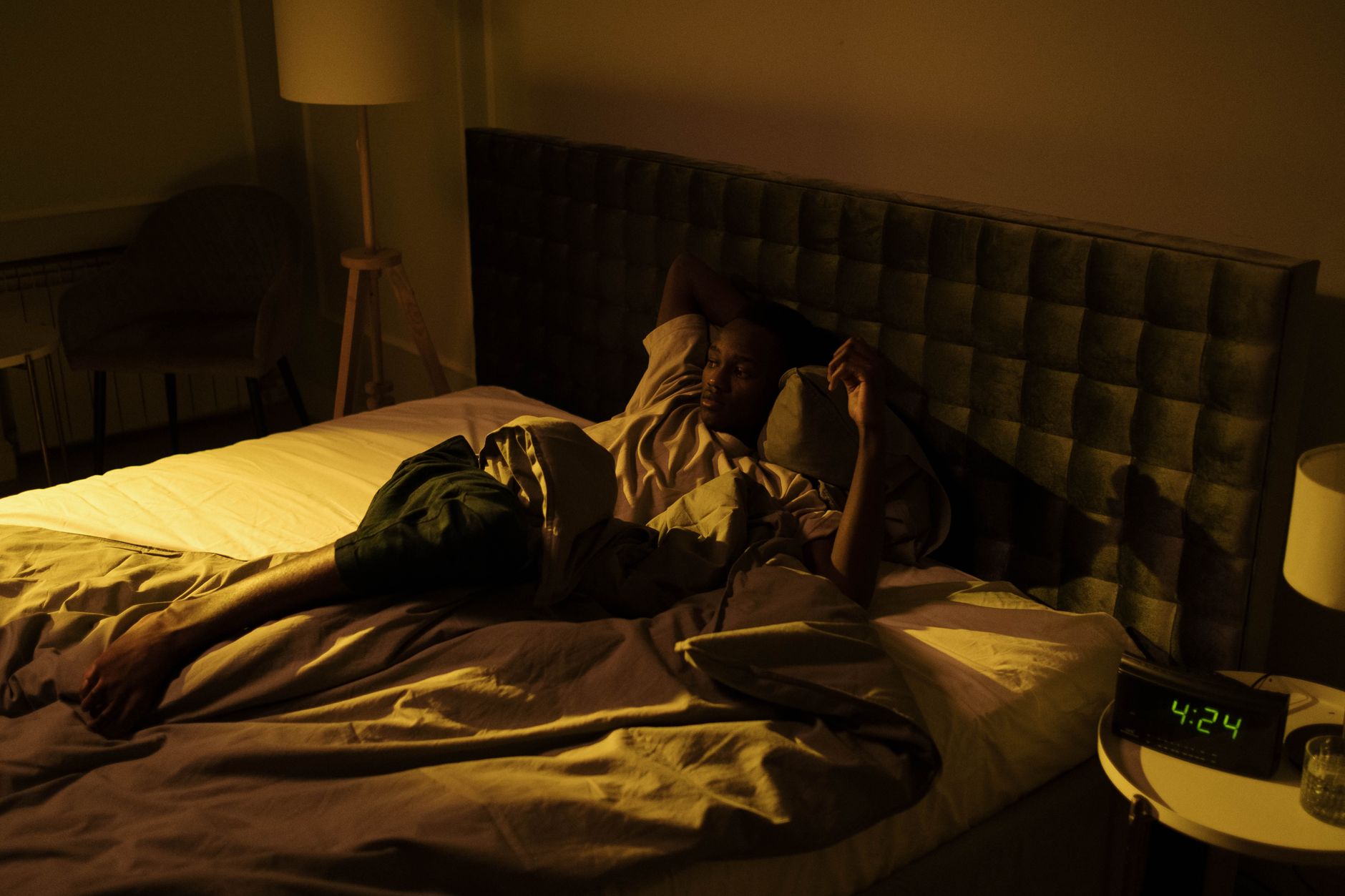
Caption: When the body feels spent but the mind stays switched on, tired but can’t sleep becomes a nightly loop. Photo by cottonbro studio
The wired-but-tired loop usually starts before bed
No matter where you are, a long day can blur right into night. We know how a long day can blur right into night. And that blur matters. Your circadian rhythm, or internal biological clock, likes cues, not chaos. It wants morning light, regular meals, movement, and a predictable slowdown.
One common human moment goes like this: you power through the evening with blue light exposure from electronic devices, answer “one last thing,” then climb into bed with tired legs and a bright mind. That’s the second-wind worker. The body is drained, but the brain still thinks it’s on the clock.
Another familiar pattern is the weekend catch-up napper. You indulge in daytime napping at 4 p.m. because you’re wiped out, then Sunday night turns into a staring contest with the ceiling. Nothing is wrong with you. Your timing got scrambled. Alcohol and sleep can scramble it further, disrupting the sleep-wake cycle and overall sleep patterns.
That’s why a gentle, plant-based bedtime ritual can help. Warm tea, dim lights, a cool room, and less screen glare give your system a clear handoff from day to night. If you want a ready-made example of that kind of cue-based routine, the Complete Nightly Sleep Ritual Kit shows how tea, darkness, and consistency can work together.
How to fall asleep when you’re tired but can’t sleep
Look, it’s not a magic pill. But a set of simple sleep hygiene tips often works better than trying harder.
- Cut the input during your wind-down routine 60 minutes before bed. Dim screens, lower lights to support melatonin levels, and stop problem-solving.
- Warm the body, then cool the sleep environment. A warm shower followed by a cool bedroom helps signal bedtime.
- Take a steady breath. Try slow exhales for two minutes, because long exhales tell the body it’s safe to ease up.
- Keep the clock out of sight. Time-checking turns tiredness into pressure.
- Get up if you’re wide awake. Sit in low light, sip a caffeine-free tea, and return when your eyes feel heavy to make falling back asleep easier.
A good bedtime should feel like a staircase, not a cliff. Body, brain, bedroom, all three need the same memo.
Published By: