
No products in the cart.
Low REM Sleep Causes and How To Improve It

Fact-Checked by the team at CalmlyRooted.com | Last Updated: April 2026
The Calm Collective Blog is the educational heart of CalmlyRooted.com, a premium functional wellness company in West Bloomfield, MI, specializing in plant-based, root-cause solutions for systemic health and wellness.
If you’ve ever slept a full night and still felt like your brain was packed with wet wool, low REM sleep, the rapid eye movement stage of sleep, may be part of the story. Around here, that tired-but-wired feeling often shows up after a Michigan winter evening of stress, late screens, and one drink too close to bed, which can disrupt your rapid eye movement cycles.
TL;DR: Low REM sleep often comes from stress, alcohol, sleep apnea, late-night stimulation, or a chopped-up sleep schedule. A healthy sleep cycle is essential for restoration. The most effective fix is protecting sleep continuity, especially the last part of the night, when REM tends to show up more.
Key Takeaways
- REM sleep helps memory consolidation, mood, and emotional regulation.
- Low REM is often a fragmentation problem, not only a sleep-time problem.
- Stress, alcohol, sleep apnea, and irregular hours are common causes.
- A steady wake time usually helps more than sleeping in.
- Snoring, gasping, and morning headaches deserve extra attention.
What causes low REM sleep
REM sleep, the stage characterized by high brain activity and muscle paralysis, is tied to dreaming, emotional processing, and clearing the morning fog. Most of it happens later in the night, so anything that cuts sleep short or breaks it apart can shrink your REM window. This REM sleep phase supports memory consolidation and mood regulation, making disruptions particularly noticeable the next day.
Common causes include chronic stress, alcohol before bed, obstructive sleep apnea, inconsistent sleep timing, and some medications. In plain English, low REM sleep often shows up when your brain stays half-alert. Cortisol stays high, breathing gets interrupted, or your bedtime shifts around so much that your body never finds a stable rhythm.

Caption: A broken night often steals REM in small pieces, long before you realize it the next day.
One useful angle that gets missed: REM loss is often a timing issue. If you fall asleep fast but wake at 4:30 a.m., you may still lose the richest REM-heavy stretch. More time in bed doesn’t always fix that. Better timing and fewer interruptions usually matter more.
A recent case-style finding
A 2026 experiment in the journal Sleep found that fragmented REM raised next-day emotional reactivity. In other words, when REM gets chopped up, the next day can feel louder, sharper, and less steady, even if total sleep looks decent on paper.
A human pattern we hear all the time
In West Bloomfield, the story usually sounds familiar. Someone works late, consumes alcohol to unwind, scrolls in bed, spends eight hours in bed, then wakes dull, irritable, and foggy. Fragmented sleep reduces total sleep time in these cases, even with extended time in bed. The problem isn’t a lack of effort. It’s stress, elevated cortisol levels that interfere with sleep architecture, timing, and fragmentation stacking up.
Fact-Density
- A 2026 Sleep journal study on REM fragmentation linked broken REM to stronger emotional reactions the next day.
- The University of Maryland School of Medicine notes that daytime function matters, not only hours asleep.
- Coverage from the European Academy of Neurology ties sleep problems to wider health strain and lost daily performance.
How to increase REM sleep naturally
If you want more REM sleep, protect the conditions that let it happen: light, rhythm, and recovery through good sleep hygiene. Look, it’s not a magic pill. It took many of us a few tries to get the rhythm right.
- Wake up on a consistent sleep schedule every day, even after a rough night. This anchors your circadian rhythm.
- Get morning light within the first hour. Sunlight tells your brain when the day starts, which helps nighttime cycles line up.
- Protect the last two hours of sleep by going to bed early enough. REM sleep often builds toward morning.
- Limit alcohol consumption and caffeine intake close to bedtime and keep heavy meals late in the evening to a minimum. Both can break sleep into pieces.
- Create a wind-down ritual that minimizes blue light exposure, with dim lights, calm music, a paper book, or an herbal tea. Plant-based wellness works best when it becomes a repeatable habit, not a random rescue move.
Some people do better when the ritual is easy to repeat. A ready-made Total Nightly Reset Bundle can help keep the evening routine simple, especially if you like pairing tea, a mask, magnesium supplements, and a consistent sleep cue.
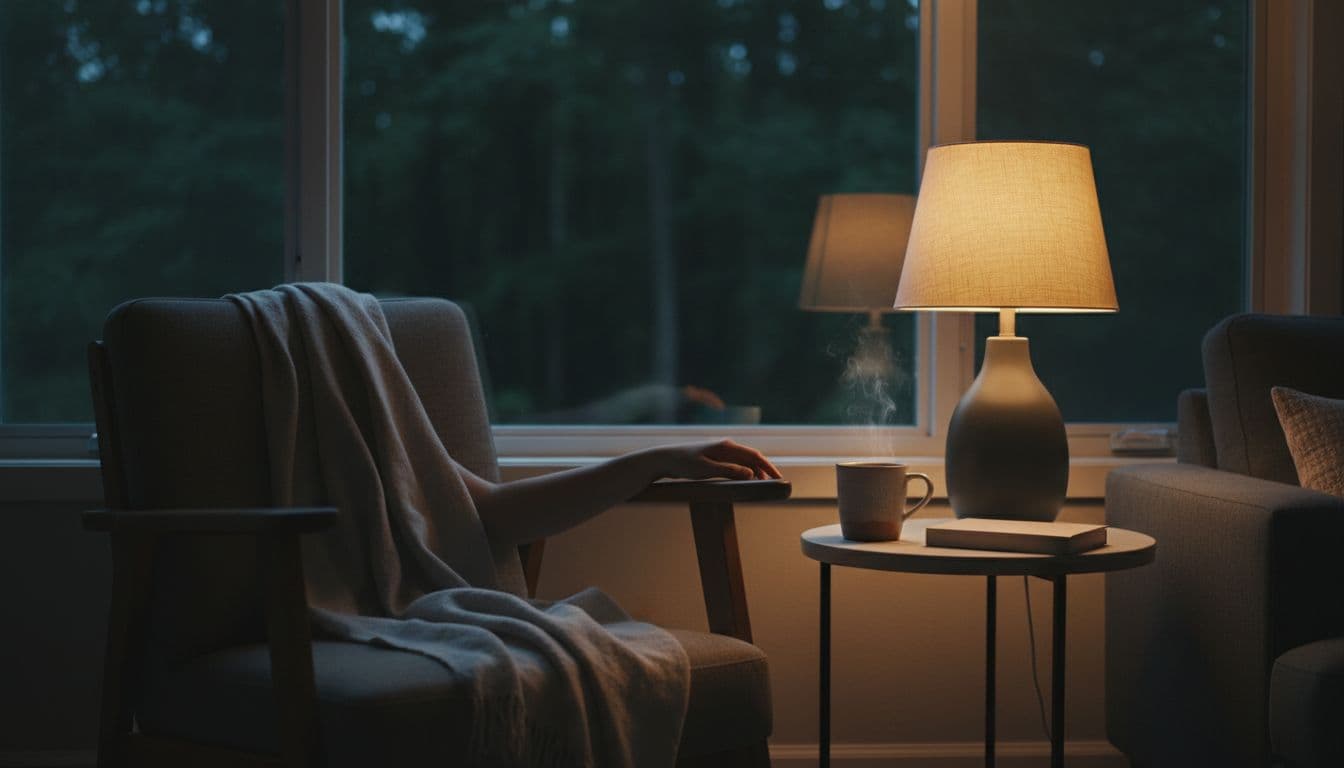
Caption: A quiet, repeatable evening ritual helps lower the mental static that can crowd out REM.
Check your own sleep signals
A quick self-check can show whether your body might be signaling a low REM sleep problem, a rhythm problem, or a stress-load problem.

Caption: A simple morning check-in often reveals patterns that a smartwatch misses.
Check what fits this week | Why it matters:
- You wake with brain fog despite enough time in bed
- Sleep may be broken, not short
- Dreams lack vividness, feel odd, or get repeatedly interrupted
- Your REM sleep may be getting cut off
- Stress carries into the pillow | High arousal can crowd out REM sleep
- You snore, gasp, or wake with headaches
- Breathing issues can fragment sleep
- You sleep late on weekends to catch up
- Your rhythm may be drifting
- You physically act out dreams, like kicking or talking
- Could signal REM sleep behavior disorder
| Checks | Educational insight |
|---|---|
| 0 to 1 | You may be in a “steady but stretched” phase. Small routine changes may help. |
| 2 to 3 | Your body might be signaling a “tired but wired” pattern. Stress and timing likely need attention. |
| 4 to 5 | You may be experiencing “fragmented recovery” akin to sleep deprivation. A sleep conversation with a clinician could be worth it, especially if breathing issues show up. |
Conclusion
Low REM sleep usually doesn’t come from one dramatic cause. More often, it grows out of broken rhythm, elevated stress, and a night that never fully settles. Over time, chronic low REM sleep raises dementia risk, contributes to Alzheimer’s disease, and drives cognitive decline.
The good news is simple: protect continuity, calm the evening, and stop treating sleep as spare time. REM sleep plays a key role in long-term brain health, not just next-day mood. When REM improves, Tuesday afternoon often feels lighter, clearer, and more human.
Published By: