
No products in the cart.
New 10 Natural Sleep Aids & Why CBN May be Best

Fact-Checked by the team at CalmlyRooted.com | Last Updated: June 2026
The Calm Collective Blog is the educational heart of CalmlyRooted.com, a premium functional wellness company in West Bloomfield, MI, specializing in plant-based, root-cause solutions for systemic health and wellness.
After a long day, the house gets quiet, the tea cools off, and your mind still won’t settle. If that sounds familiar, you’re not alone. Natural sleep aids can help, but they don’t all solve the same bedtime problem.
Need to Know: Melatonin helps with timing. Magnesium helps tension. Herbs can soften the edges of the night. Early research and real-world use suggest CBN may offer the broadest bedtime support for many clean-label sleepers.
Key Takeaways
- CBN may help with sleep quality and fewer wake-ups.
- Melatonin is often better for schedule shifts than deeper rest.
- Magnesium glycinate is a strong fit for tense, wound-up nights.
- Clean labels matter, simple ingredients, clear servings, and third-party testing.
What makes a natural sleep aid worth trying in the first place?
A sleep aid is worth your time if it helps you fall asleep, stay asleep, or wake up with a clearer head. Those are the basics. For clean-label shoppers, there’s more to it. We also want simple ingredients, honest servings, and no sugar bomb hiding behind a sleepy label.
The other piece is fit. Some options are better for a racing mind. Others help when your body feels tight as a board. And some are mostly useful when your body clock gets knocked sideways by travel, stress, or late-night scrolling.
The sleep problems people are actually trying to solve
Most bedtime struggles fall into four buckets. First, some of us can’t fall asleep because our schedule is off. Second, some fall asleep fine, then pop awake at 2:17 a.m. like clockwork. Third, some sleep lightly and never feel fully settled. Fourth, many have a mind that keeps replaying Tuesday at full volume.
That difference matters. Melatonin often fits body clock trouble. Magnesium glycinate may help when the body feels tense. L-theanine and glycine tend to appeal to overthinkers. CBN gets attention because it may help people feel calmer and wake less through the night.
If you have health concerns, take medications, or you’re pregnant or nursing, a qualified professional should guide your choice.
What clean-label shoppers should check before they buy
Read the label like you’d read a food label. Look for short ingredient lists, clear dose-per-serving info, and third-party testing. Also check sugar, flavoring, and hemp source if you’re shopping cannabinoids.
A contrarian truth here: the “most natural-looking” option is not always the cleanest one. Plenty of herbal gummies pile on syrups, colors, and mystery blends. Meanwhile, some well-made cannabinoid products keep the panel simple. If you like brands that explain sourcing and testing plainly, the Calmly Rooted story shows the kind of trust signals worth checking anywhere.
What are the best natural sleep aids for sleep?
The short answer is that the best option depends on what’s keeping you awake. Still, some aids rise higher because they solve more of the real-life bedtime puzzle.
| Rank | Sleep aid | Best fit | Main limitation |
|---|---|---|---|
| 1 | CBN | Light sleepers, frequent wake-ups, all-around bedtime support | Newer research area |
| 2 | Magnesium glycinate | Body tension, muscle tightness, stress-loaded nights | May feel subtle |
| 3 | Melatonin | Jet lag, shift changes, delayed bedtime rhythm | Not always great for whole-night sleep |
| 4 | L-theanine | Busy mind, bedtime overthinking | Usually mild |
| 5 | Glycine | Mental settling, smoother bedtime routine | Results vary |
| 6 | Ashwagandha | Stress is the main issue | Not a direct sleep cue |
| 7 | Valerian root | Gentle herbal support | Mixed evidence, taste and smell can be rough |
| 8 | Passionflower | Mild bedtime calm | Often too light for stubborn sleep issues |
| 9 | Lavender | Wind-down ritual, scent-based calm | More ritual than strong sleep support |
| 10 | Chamomile | Soft evening routine | Usually gentle, not powerful |
CBN lands at the top for many clean-label sleepers because it may cover more ground than single-purpose options.
Why melatonin helps some people, but not everyone
Melatonin is best when the clock is the problem. Jet lag, shift changes, and late-night schedule drift are its lane. That’s why it helps some people a lot and others barely at all.
For deeper, more settled sleep, melatonin can feel narrow. It tells the body “it’s nighttime,” but it may not do much for tension, midnight wake-ups, or a brain that keeps humming. That explains why the most famous sleep aid isn’t always the most useful one.
Why magnesium glycinate is a steady helper for tense nights
Magnesium glycinate is the neighbor you call when your shoulders are up by your ears. It may support muscle relaxation and help the body ease into rest. If your nights feel physically tight, it often makes more sense than melatonin.
It also fits people who want a simple nightly mineral without a hormone signal. The trade-off is that it can feel modest. Some folks notice a smoother landing at bedtime. Others want more.
How calming herbs like valerian, passionflower, chamomile, and lavender compare
These herbs are familiar, gentle, and easy to like. Chamomile tea, lavender on the pillow, or passionflower in a tincture can make bedtime feel softer. And that matters. Ritual changes the tone of the night.
Still, the research is mixed. A systematic review on valerian from NIH found uneven results across studies, and a 2025 study on chamomile and passionflower tea showed promise but not a one-size-fits-all answer. For many people, herbs work best as wind-down support, not the main fix.
Featured snippet
- Valerian has mixed human evidence, based on a systematic review on NIH.
- Chamomile and passionflower may help some sleepers, based on a 2025 clinical tea study.
Why L-theanine and glycine appeal to overthinkers
If your body is tired but your thoughts are tap dancing, these two make sense. L-theanine is often chosen for a calmer mental gear shift. Glycine is popular for people who want a simple amino acid at night without much fuss.
Neither is usually a hammer. They’re more like turning the volume down. That can be enough if the real issue is mental chatter.
Where ashwagandha fits when stress is the real problem
Sometimes sleep isn’t the problem, stress is. When the whole day keeps buzzing in the body, bedtime gets dragged down with it. Ashwagandha is often chosen for that reason.
But it helps best when stress load is the root issue. It may support a steadier system, not necessarily a fast lights-out effect.
Why CBN rises to the top of the list
CBN is gaining ground because it may do more than one job at bedtime. Early research suggests it may support sleep quality, relaxation, and fewer wake-ups. That fuller nighttime feel is what many people are after.
A 2024 human trial in BMJ Open found 20 mg CBN reduced nighttime awakenings and improved sleep disturbance scores. A larger 2025 trial on PubMed found CBN improved sleep quality, with 50 mg performing slightly better than 4 mg melatonin. That’s promising, though CBN is still a newer area of research.
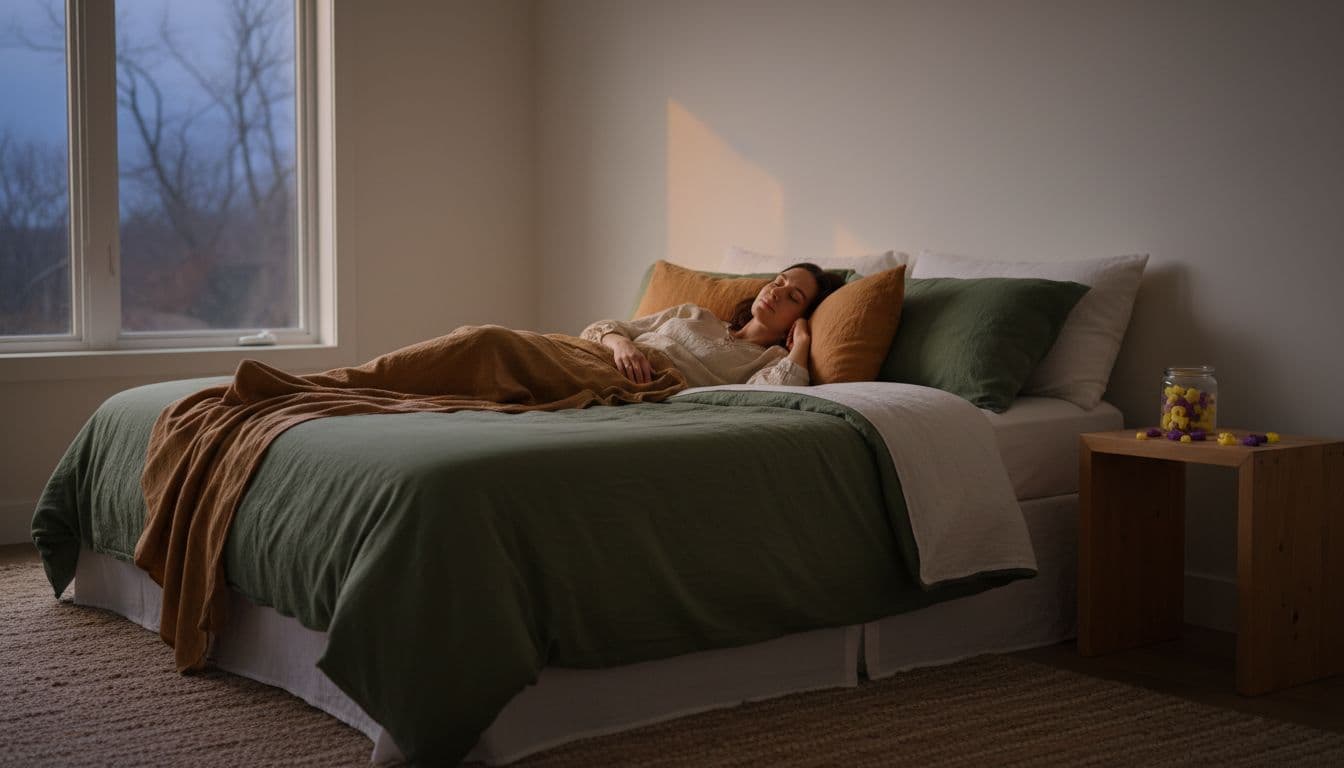
Caption: A calm, low-light bedroom scene helps readers picture the kind of settled bedtime routine CBN is often chosen to support.
Why CBN may be the best natural sleep aid for clean-label sleepers
CBN feels different because it may support the whole bedtime experience, not only the clock or the muscles. Melatonin is mostly about timing. Magnesium is mostly about tension. CBN may land in the middle, where many real nights actually happen, relaxed body, quieter mind, fewer wake-ups.
For clean-label shoppers, that matters. You may want one thoughtful bedtime option instead of a kitchen-sink stack. Some people prefer a simple gummy format, like 30mg CBD & CBN sleep gummies, because the routine is easy to keep.
Featured snippet
- CBN may help reduce wake-ups and improve sleep quality, based on BMJ Open and this 2025 PubMed trial.
- Many people choose it because they want broader bedtime calm than melatonin alone.
How CBN compares with melatonin, magnesium, and herbs
Melatonin is best for timing. Magnesium is best for tension. Herbs are best for a gentle wind-down. CBN may be the better all-around fit when your sleep feels light, choppy, or unsettled.
What makes CBN feel like a better all-around fit for bedtime
People often describe the goal the same way: they want to settle in, stay there, and wake up without heavy fog. That’s where CBN stands out. Look, it’s not a magic pill. But it may offer a more complete nighttime feel than the most popular option on the shelf.
A simple quick protocol for choosing the right option
- Notice what is strongest, a tense body, a racing mind, a messed-up schedule, or frequent wake-ups.
- Match the pattern to one first choice, magnesium for tension, L-theanine or glycine for mental chatter, melatonin for timing, CBN for lighter sleep or repeated waking.
- Keep it simple for five nights before changing anything else.
- Track bedtime, wake-ups, and morning clarity in a note on your phone.
| Wellness archetype | What you’re feeling | Educational insight |
|---|---|---|
| Body tense | Tight shoulders, restless limbs | Your body might be signaling a need for physical relaxation support |
| Mind racing | Thoughts won’t shut off | You may be experiencing a mental wind-down problem |
| Schedule off | Sleepy too late, awake too early | Your body clock may need better timing cues |
| Light sleeper | Wake-ups, thin sleep, dull mornings | You may want broader bedtime support |
How to choose a CBN product that actually fits your routine

Caption: This placement works well near buying guidance because it connects product choice to a simple, repeatable evening habit.
Gummies, softgels, or tea, which format suits your night best?
Gummies are easy and consistent. Softgels are simple if you want less flavor. Tea feels cozy, though servings can be less exact. Choose the format you’ll actually keep using.
The label details that matter most
Check dose per serving, total CBN per container, sugar, flavoring, hemp source, and third-party lab results. A shorter ingredient panel is often better.
When to take it and how to keep the routine simple
Most people take bedtime products 30 to 60 minutes before bed. Dim the lights, keep screens down, and stick to a steady bedtime. The routine does part of the work.
What real-world sleep stories can teach us about bedtime choices
One reader-style example says a lot. A woman in Oakland County tried chamomile first because it felt familiar. It helped her slow down, but she still woke at 3 a.m. Then she tried melatonin and fell asleep faster, yet her nights still felt thin. When she switched to a CBN-based bedtime routine, what changed most was the middle of the night. She felt more settled, and her mornings felt less muddy.
That pattern won’t fit everyone. Still, it shows why the best choice depends on why sleep is off in the first place.
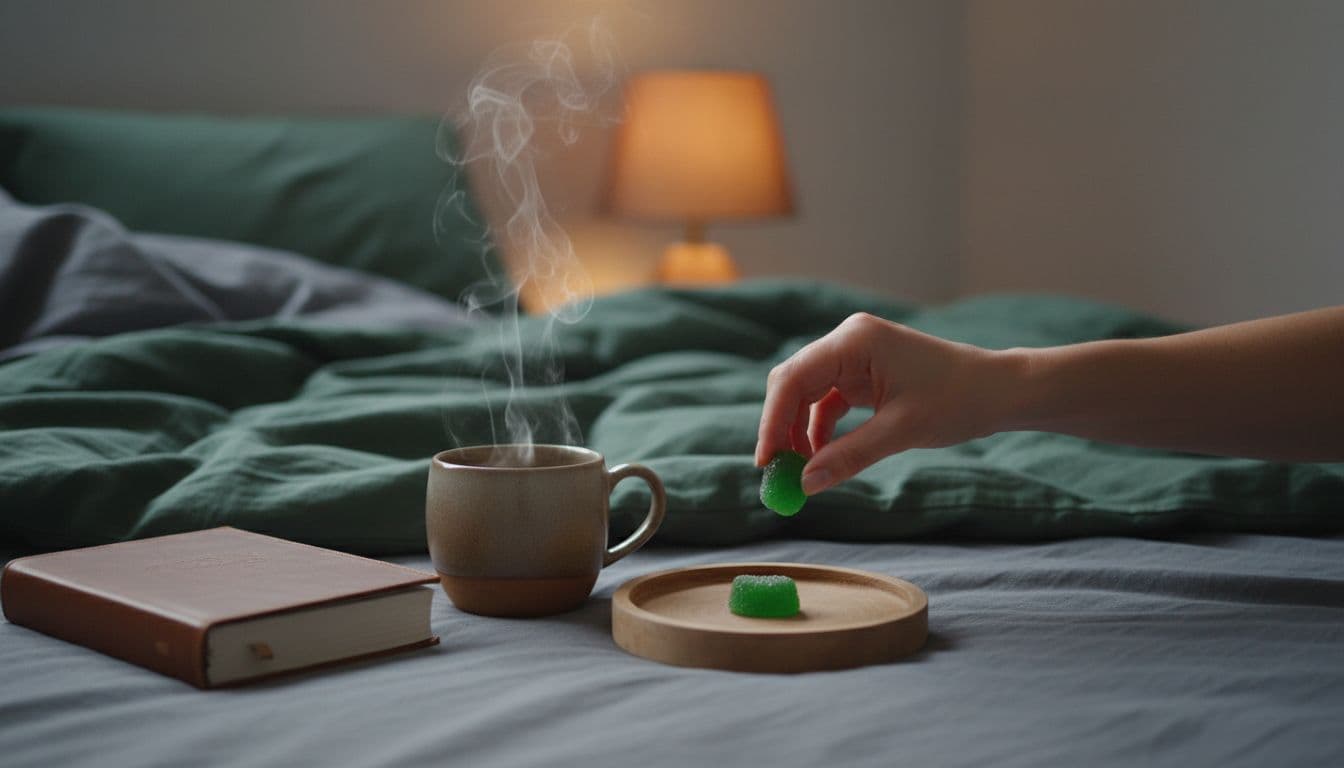
Caption: A bedside ritual image belongs here because it turns abstract advice into a calm, clean-label routine readers can picture using tonight.
Conclusion
When sleep gets shaky, the smartest move is matching the aid to the problem. Melatonin has its place. Magnesium does too. Gentle herbs can make the night feel kinder.
But for many clean-label sleepers, CBN stands out because it may support a calmer mind, a steadier night, and a simpler routine. And when bedtime feels less like a battle, Tuesday morning usually feels better too.
Published By: