
No products in the cart.
The 3 A.M. Wakeup: Why Alcohol Disrupts Sleep (& How to Fix It)

The Calm Collective Blog is a curated educational resource by CalmlyRooted.com. We explore plant-based, restorative strategies designed to help you navigate systemic wellness with clarity and intention. Research-Backed Insights | Updated July 2026
A nightcap can feel like a shortcut to sleep, right up until you are staring at the ceiling at 3 A.M. with a dry mouth and a busy mind. Most of us have lived that little joke on ourselves at least once.
The hard part is that alcohol sleep patterns do not clash all at once. Alcohol often helps you drift off faster, then charges you for it in the second half of the night.
Need to Know:
Alcohol initially acts as a sedative, but as it metabolizes, it triggers a physiological rebound effect. This disrupts REM sleep, elevates heart rate, and causes fragmented, early 3 a.m. wakeups. Discover actionable ways to restore your sleep architecture.
Key Takeaways
- Alcohol may shorten the time it takes to fall asleep, but it typically compromises your overall sleep quality by disrupting both deep sleep and REM sleep.
- Early wakeups often occur due to rebound alertness, dehydration, frequent bathroom trips, and lighter sleep cycles during the second half of the night.
- Weekend drinking hits harder when it is combined with late nights and sleeping in, as these habits send mixed signals to your internal body clock.
- Establishing a consistent bedtime routine, implementing earlier alcohol cutoffs, and practicing alcohol-free wind-down habits are much more effective for restorative rest than a nightcap.
Does alcohol affect sleep?
Yes, and the first effect is the one that fools us.
Alcohol acts like a sedative at first, so you may fall asleep faster. That can make it seem helpful. Still, fast sleep onset is not the same as high-quality rest. Restorative sleep requires stable cycles, sufficient REM sleep, and fewer disturbances. Alcohol disrupts this delicate sleep architecture, leading to a scrambled pattern.

The sleepy feeling after a drink can hide what happens later in the night. Photo by cottonbro studio
A 2025 review in the journal Alcohol found that drinking can reduce the time it takes to fall asleep, while also worsening later rest, especially regarding REM disruption and wakefulness in the back half of the night. You can see that research in this review on alcohol’s effect on sleep.
This pattern regarding alcohol sleep is easier to understand side by side:
| Part of the night | What you may notice | What is likely happening |
|---|---|---|
| First 1 to 2 hours | You fall asleep fast | Sedation kicks in and can increase early deep sleep |
| Around 3 to 5 hours | You feel warmer, thirstier, or restless | Alcohol is being metabolized, heart rate may stay elevated |
| After about 5 hours | You wake up early or repeatedly | Sleep gets lighter, REM sleep becomes unstable, and you experience fragmented sleep |
The headline is simple. Alcohol may help with unconsciousness, but it often hurts recovery.
That fits what the Sleep Foundation says about alcohol and sleep: the drowsy feeling up front often turns into lighter, more broken rest later. So if you wake up tired after a full night in bed, the issue may be poor sleep quality, not the amount of time spent on the clock.
Why does alcohol make you wake up early?
A lot of early wakeups start when the sedative effect wears off.
Featured Snippet: Alcohol often increases wakefulness in the second half of the night, especially from about five hours after sleep begins until morning, according to a 2025 review in Alcohol.
As your body processes alcohol, several small disruptions start stacking up. You may get dehydrated, need the bathroom, feel too warm, or notice your heart beating a little harder than usual. None of those sound dramatic by themselves, but together, they lead to fragmented sleep that turns a solid night into a patchwork quilt.
REM sleep takes a hit too. Early in the night, alcohol can delay the first REM period and reduce REM overall. Later, when blood alcohol levels fall, the brain can swing the other way and become less stable. That rebound insomnia is one reason people pop awake near dawn, then cannot settle back in.
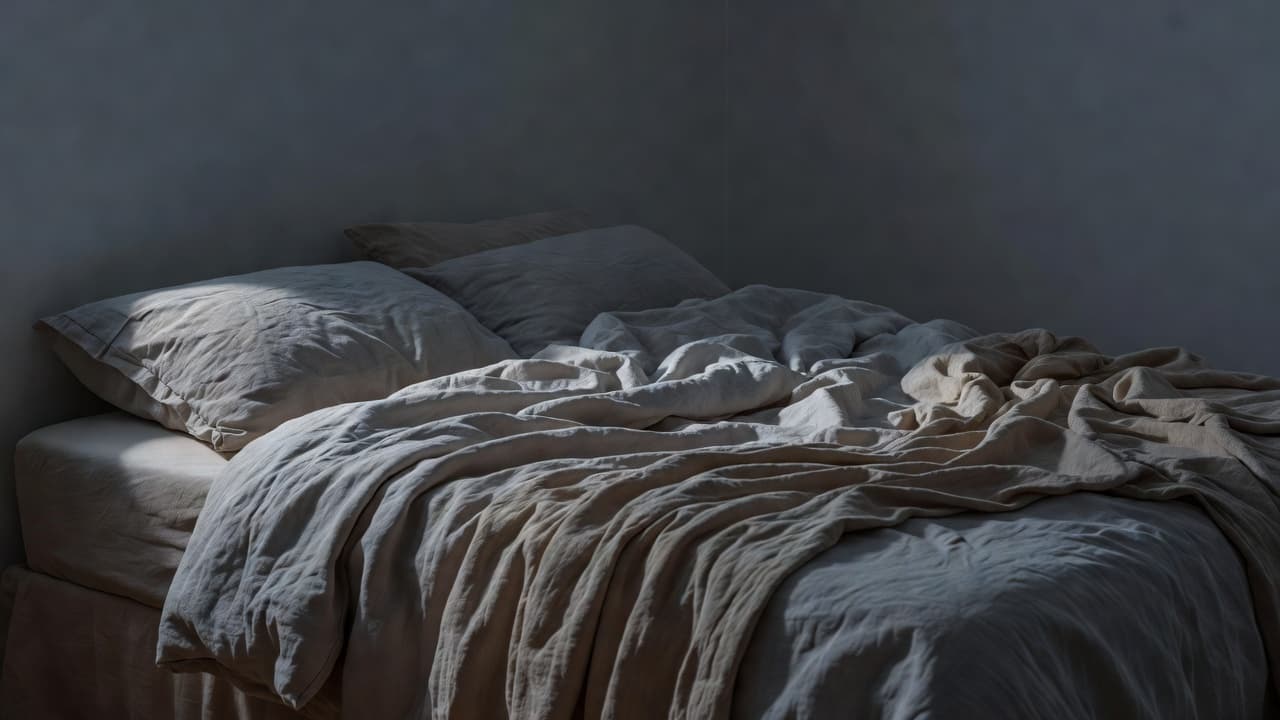
Caption: Early wakeups often show up when alcohol’s first sleepy wave has already passed.
Breathing can get messier as well. Alcohol relaxes throat muscles, which may increase snoring and can make sleep-disordered breathing, such as obstructive sleep apnea, more likely in some people. For those already living with sleep apnea, the effect is often magnified. Dr. Nancy Foldvary-Schaefer of Cleveland Clinic has explained that each alcohol-related awakening pushes you back into lighter sleep stages, which cuts down your more restorative rest. Cleveland Clinic breaks that down well in this article on alcohol before bed.
And then there is the cruel little twist. You can wake up feeling tired and alert at the same time. Your body is drained, but your brain has lost the smooth runway back into sleep.
The part most people miss is timing
Many people blame the drink while missing the schedule wrapped around it.
A Friday or Saturday night often includes alcohol, brighter lights, heavier food, late-night screen time, and a bedtime that slides by two or three hours. Then, we sleep in. By Sunday night, your circadian rhythm has taken a hit twice. That is why irregular timing can make alcohol sleep problems feel much worse than expected. It is a bit like changing time zones without ever leaving the house.
This is the overlooked connection. The problem is not always just one glass of wine. Sometimes, it is alcohol combined with late light exposure, a heavy meal, and sleeping until 9:30 when your weekday wake time is 6:30. That mix weakens your sleep drive and muddies your internal clock. If a long nap joins the party the next day, your sleep schedule becomes even more unstable, often leading to symptoms of insomnia for those trying to use alcohol as a sedative.
Featured Snippet: People who use alcohol to help with sleep often report poorer sleep quality, more awakenings, and morning tiredness, according to the National Council on Aging.
That next-day drag matters more than many of us admit. Morning fog, a shorter fuse, slower decisions, and flatter workouts are often the real cost of sleep deprivation. Current sleep care keeps moving toward the same idea: daytime function matters, not just the total hours spent in bed.
Even a few nights in a row can add significant friction. Research on consecutive drinking has found lower sleep quality, specifically reduced REM and less slow-wave sleep across multiple nights. If your evenings already feel noisy, a steady routine matters even more. Following a simple nightly sleep hygiene guide can help rebuild those internal cues and restore balance to your rest.
How to sleep better after drinking
The cleanest fix is boring, which is probably why it works. Create more space between alcohol and bedtime, then give your body fewer mixed signals.
- Stop earlier. Leave at least 3 hours between your last drink and bedtime when you can.
- Drink water. Have water during the evening and again before bed to help your body metabolize alcohol more efficiently and ensure that thirst or bathroom trips do not blindside you later.
- Keep dinner lighter. Heavy, rich, or spicy food too close to bed can add digestive discomfort to an already shaky night.
- Dim the house. Lower lights and put screens away. Bright light and scrolling keep the brain on call, which can interfere with your natural melatonin production.
- Close the day. Write down tomorrow’s tasks, then keep the bed for sleep, not email and doomscrolling.
- Wake on time. Sleeping way in after drinking can throw off the next night too.
If you want to replace the nightcap ritual, make it simple enough to repeat. Warm tea, low light, a short stretch, two pages of a book, done. That pattern helps because it tells the nervous system the day is over and signals it is time for a healthy bedtime routine.
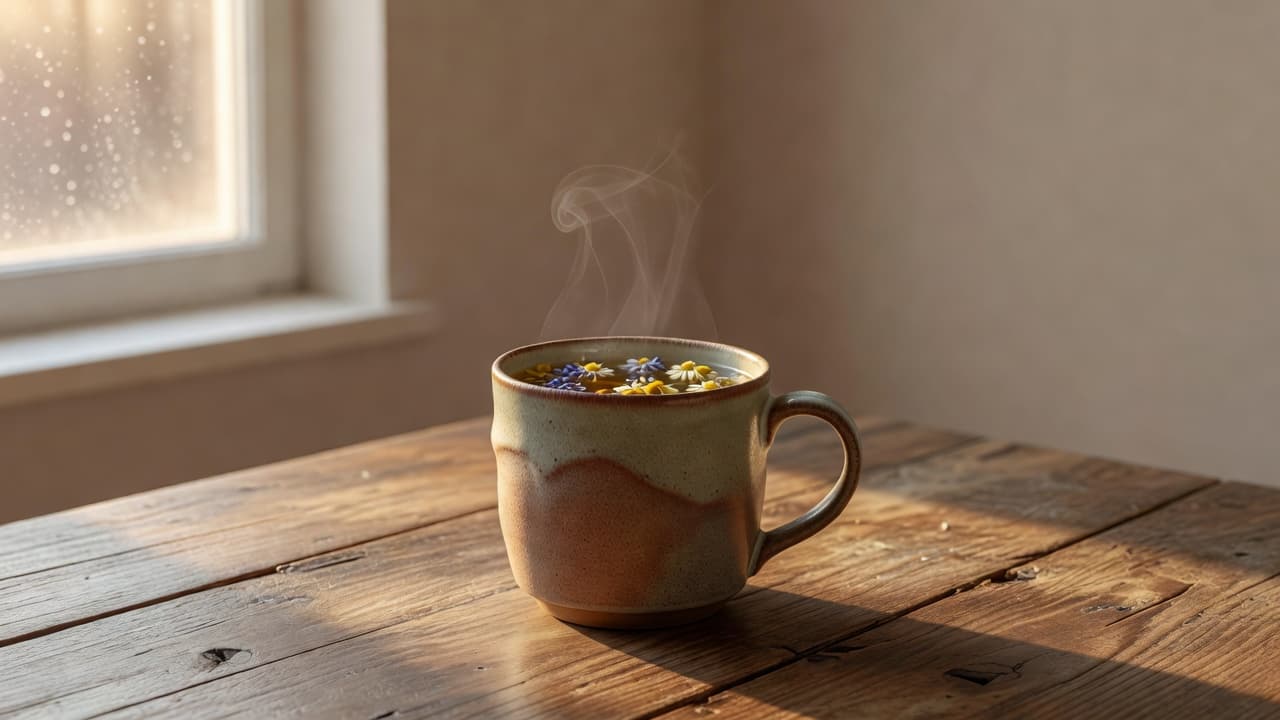
Caption: An alcohol-free evening cue works best when it feels easy enough to keep.
For readers who want plant-based support, keep your standards high. Look for third-party lab tested options, clean wellness products, and premium plant extracts. Some people also do better with fewer late-night choices, which is why a curated nightly recovery ritual can feel easier to stick with than piecing together five separate habits.
Self-Assessment Checklist
- You drink within 3 hours of bedtime more than once a week.
- You often wake hot, thirsty, or needing the bathroom after drinking.
- Your weekend sleep schedule shifts by more than 2 hours.
- You take long late naps after a poor night.
- Your bed still doubles as a work or scroll zone.
Educational Insights:
- If you checked 0 to 1, your body may need a small timing adjustment.
- If you checked 2 to 3, alcohol and bedtime may be colliding more than you realized, likely disrupting your natural sleep stages.
- If you checked 4 to 5, your body might be signaling a bigger rhythm mismatch, not just a random bad night.
Conclusion
If alcohol sleep patterns help you fall asleep but leave you waking up early, the drink isn’t providing the kind of rest that carries you through a Tuesday afternoon. It is essentially borrowing calm from the first part of the night and draining your energy during the second half.
Better rest usually comes from steadier cues, earlier cutoffs, and routines your body can trust. When the goal is real recovery, consistency beats sedation every time.
Published By: