No products in the cart.
Why Your Deep Sleep Is Low & How to Fix It Fast
Fact-Checked by the team at CalmlyRooted.com | Last Updated: April 2026
The Calm Collective Blog is the educational heart of CalmlyRooted.com, a premium functional wellness company in West Bloomfield, MI, specializing in plant-based, root-cause solutions for systemic health and wellness.
A cold Michigan morning can humble anybody. You sleep eight hours, check your tracker, see low deep sleep, and still feel like your brain is moving through syrup, missing that restorative sleep upon waking. Low deep sleep often comes down to timing, stress, light, alcohol, caffeine, or sleep getting chopped into pieces, preventing enough deep sleep.
TL;DR: Low deep sleep usually improves when you protect the hour before bed, keep your schedule steady, watch your sleep cycle patterns, and stop treating one rough tracker score like a crisis. Focus on patterns, not perfection.
Key Takeaways
- Deep sleep drops fast when your sleep gets fragmented, even if total hours look fine.
- The best first fix is often a steady bedtime, not a fancy sleep hack.
- A cool, dark, quiet room can help your body stay asleep long enough to go deep.
Why is my deep sleep low?
Deep sleep, also known as slow-wave sleep or stage 3 NREM, is the phase where delta waves dominate brain activity. This triggers the release of growth hormone to support physical recovery and tissue repair. It shows up most in the first half of the night, aligned with your circadian rhythm. So if you go to bed late, have drinks at 9 p.m., scroll under bright light, or wake up often, that stage gets squeezed first.
The common causes are pretty ordinary. Elevated cortisol levels from stress can keep your nervous system revved. Late caffeine can hang around longer than you think. Alcohol consumption may make you sleepy at first, then break sleep later. A warm room, snoring, pain, or bathroom trips can also cut deep sleep short. And yes, age changes sleep stages too.
This matters because sleep is a whole-body process. Stress load, circadian rhythm, and body temperature all talk to each other. When one gets noisy, the rest can wobble.
One contrarian tip from our side of the fence: do not judge deep sleep, or slow-wave sleep, by one night. Track it in three-night blocks. Wearable devices estimate sleep stages, and a single score can reflect noise, not a real problem.
Fact-Density
- Cleveland Clinic’s deep sleep guidance points to regular sleep hours, lower stress, and a better sleep setting as the main levers.
- MedlinePlus on sleep disorders notes that disrupted breathing and other sleep issues can break up sleep and leave you tired.
- This physician-reviewed overview from Ubie lists stress, alcohol, caffeine, aging, and not enough total sleep as common reasons for low deep sleep.
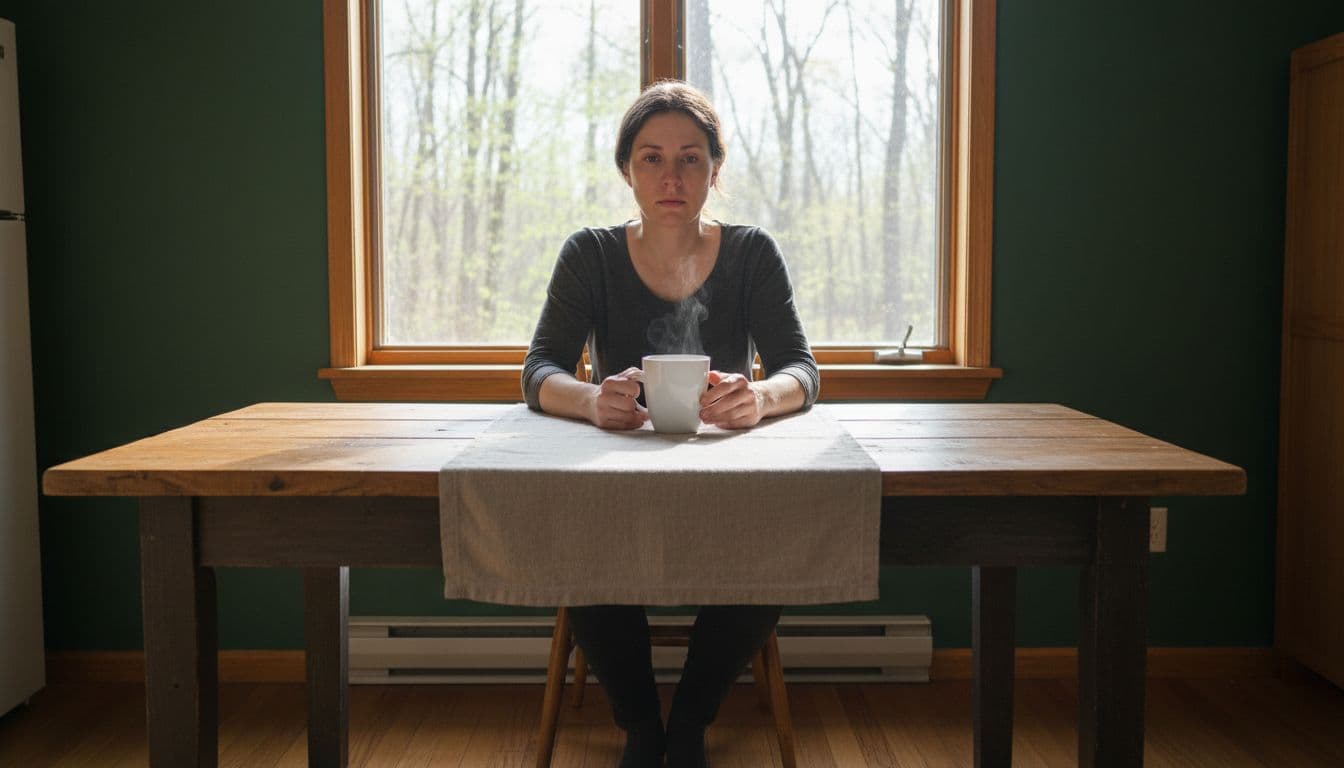
Image caption: Morning fog often points to broken sleep, not just short sleep.
How to fix low deep sleep tonight
Look, it’s not a magic pill. Most of the time, better deep sleep comes from doing a few plain things with more consistency.
These are essential sleep hygiene practices to prioritize:
- Set one bedtime and wake time, even on weekends. Aim for 7 to 9 hours in bed.
- Cut caffeine after lunch, and keep alcohol at least 3 hours away from sleep.
- Cool the bedroom environment to help lower your core body temperature. Darken it fully, and reduce noise. Deep sleep likes cave rules.
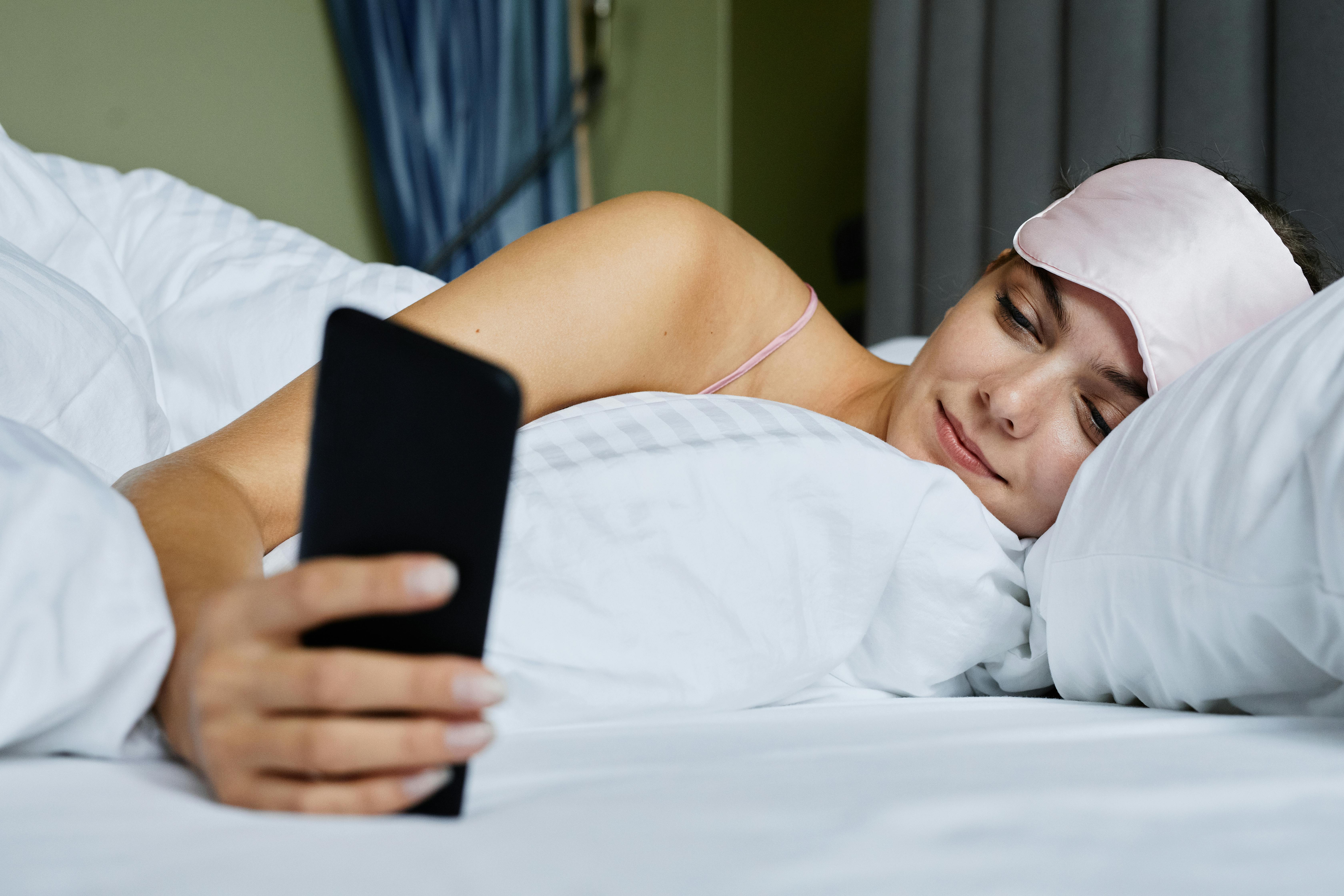
- Downshift 45 minutes before bed. Dim lights to support natural melatonin production, cut blue light exposure by putting the phone away, and enjoy something calming like chamomile or lavender tea.
- Move your workout earlier if late exercise leaves you wired. Morning or afternoon usually works better.
For many of us, the hour before bed is the hinge. If your brain stays in “reply, refresh, repeat” mode, deep sleep has a harder time showing up. A simple plant-based ritual can help signal the shift, especially when paired with magnesium glycinate to promote slow-wave sleep. If you want an easy structure, the complete nightly reset ritual brings together tea, darkness, and a bedtime routine in one place.

Image caption: A steady wind-down routine helps the body stop bracing and start resting.
A quick protocol to spot your pattern
Use this as a fast self-check tonight.
| Check this off if it fits | What your body might be signaling |
|---|---|
| Bedtime shifts by more than 1 hour most nights | A disrupted sleep cycle may be the main problem |
| Caffeine after 2 p.m. | Alertness may be spilling into bedtime |
| Alcohol close to bed | Sleep may start easy, then break apart |
| Room warm, bright, or noisy | Sleep environment blocking deeper stages |
| Frequent waking, snoring, or gasping | Sleep apnea causing broken sleep |
If you checked 1 or 2 boxes, your wellness archetype may be the “Timing Drifter,” often linked to daytime fatigue. If you checked 3 or more, you may be in the “Overstimulated Evenings” group, potentially signaling insomnia. If the last row fits, your body might be signaling “Broken Sleep,” possibly from restless leg syndrome, which is worth bringing up with a clinician for educational support, not self-diagnosis.
Real people, real rest
We have all lived this scene: gray morning, hot mug in hand, tracker score acting like a strict school principal. That emotional hit is real. Still, numbers don’t tell the whole story.
A helpful first-hand example appears in this sleep trackers-focused case review, where the writer describes how timing, environment, and limits of wearable devices shaped a low deep sleep score. Sleep trackers estimate brain waves but cannot perfectly distinguish delta waves from other stages. That lines up with what we hear around West Bloomfield too. Once people stop chasing perfect metrics and start protecting the evening routine, the morning gears often click into place.
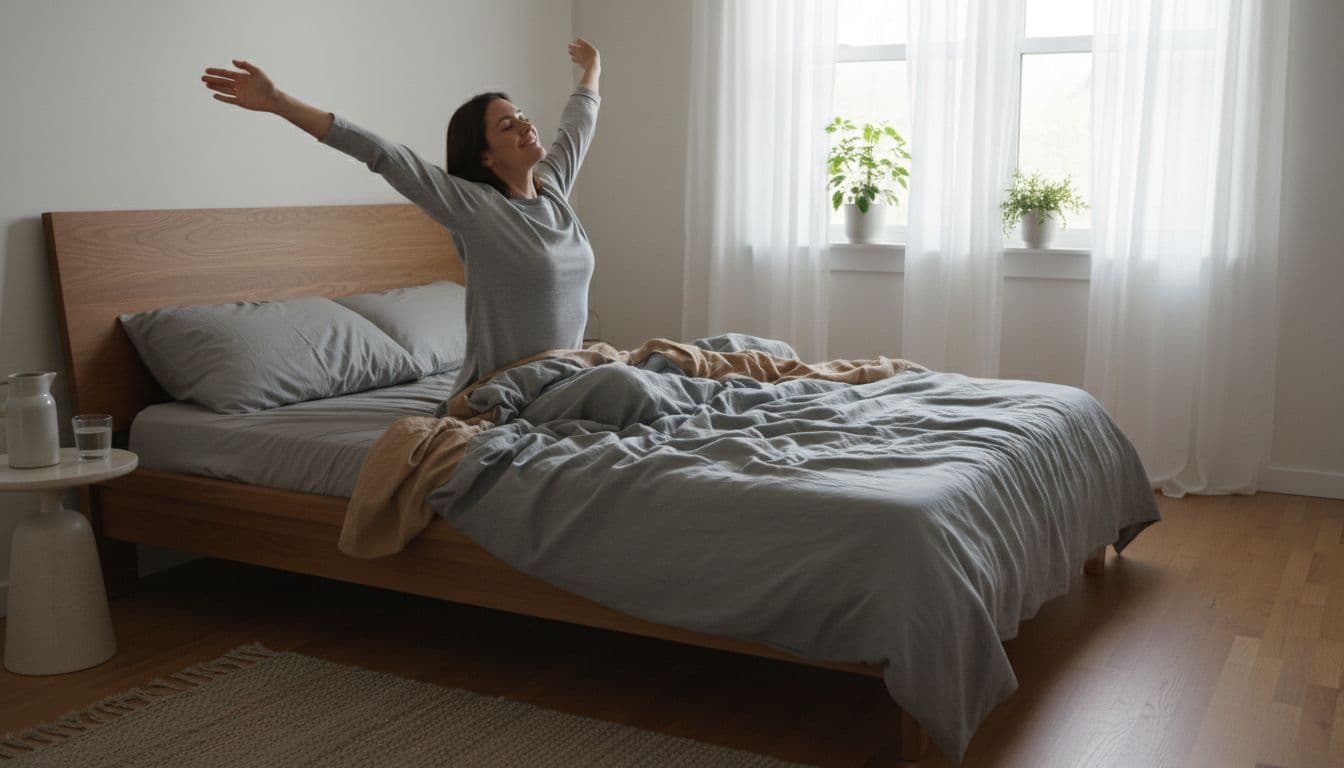
Image caption: Better deep sleep often feels less dramatic at night and much better by breakfast.
Optimize Your Nightly Protocol
Ready to stop guessing and start recovering?
The Nightly Reset Bundle is curated to silence mental noise and anchor your circadian rhythm.
- Secure Your Sleep Wealth: Shop the Nightly Reset Bundle Here
- Exclusive Community Offer: Use code WELLNESS27 to save 27% OFF your first order.
- Bonus: Unlock FREE Shipping on all orders over $49.95.
Join the Calm Collective Conversation
Does your tracker show a “deep sleep” gap? Share your story or ask a question in the comments below. Your insight helps our community stay rooted together.

Published By: