No products in the cart.
Delayed Sleep Phase Syndrome: Know When Your Clock Runs Late

Research-Backed Insights | Updated August 2026
The Calm Collective Blog is a curated educational resource by CalmlyRooted.com. We explore plant-based, restorative strategies designed to help you navigate systemic wellness with clarity and intention.
Your alarm rings at 6:30 a.m., but your mind feels as if it never got the memo. If you sleep soundly from 2 a.m. to 10 a.m. on free days, delayed sleep phase syndrome may explain why early nights feel impossible.
Many of us know the “one quick email” at 10:15 p.m. that somehow becomes a full hour of work, scrolling, and mental gears spinning. When that pattern repeats, the morning can feel like walking through wet cement.
Need to Know: This condition is a mismatch between your internal clock and the schedule your life demands. People can often sleep well at their natural late hours, but early school or work times leave them short on sleep and foggy the next day.
Key Takeaways
- A delayed body clock is not laziness or a failure of willpower.
- Morning light and a consistent wake-up time are the strongest daily timing cues.
- Melatonin timing matters more than taking it at the moment you climb into bed.
- A calmer evening ritual can support the process, but it cannot replace an evaluation by a healthcare provider.
What Is Delayed Sleep Phase Syndrome?
Delayed sleep phase syndrome, also called delayed sleep-wake phase disorder, occurs when a person’s sleep wake cycle shifts later than conventional schedules. Sleep onset may not occur until 1 a.m., 2 a.m., or later, making it difficult to wake for early obligations.
The key detail is that sleep can be normal in length and quality when someone follows a preferred sleep schedule. Cleveland Clinic’s overview of DSPS describes how this mismatch can contribute to daytime drowsiness, mood changes, and behavior changes that may affect mental health.
How delayed sleep phase differs from insomnia
With insomnia, someone may struggle to sleep despite an appropriate opportunity and suitable conditions. With this timing-related condition, sleep often arrives once the body reaches its preferred later window, distinguishing it from insomnia and other sleep disorders.
That difference matters. Forcing an early bedtime schedule can leave you staring at the ceiling, frustrated and wide awake. The more useful question is often, “When does sleep come naturally when I don’t set an alarm?”
Featured Snippet: A delayed sleep pattern is a timing issue, not proof that someone lacks discipline. Regularly sleeping well during preferred late hours is an important clue a healthcare provider can evaluate.

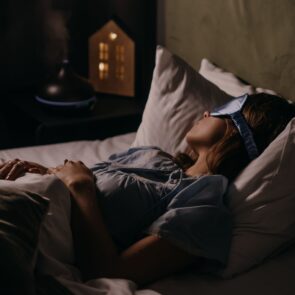
A low-stimulation bedroom can support an evening wind-down, though the reset begins with daytime timing cues.
Why the internal body clock drifts later
Our biological clock is a 24-hour timing system, or circadian rhythm, that organizes sleepiness, alertness, appetite, and body temperature. Light is its loudest signal. Late-night blue light from phones, tablets, or bright screens can tell the brain that daytime is still happening. Morning light helps pull the circadian rhythm earlier.
Puberty naturally shifts many teenagers later, so adolescent sleep patterns often move toward later hours. A National Institutes of Health review of delayed sleep phase in youth notes that morning bright-light exposure and properly timed melatonin are common approaches for phase advancement.
Stress can add another layer. You may feel tired in your body while your thoughts keep filing paperwork at midnight. Learning how nighttime stress can delay sleep onset may help distinguish a stress-fueled late night from a persistent phase delay.
The overlooked piece is often social pressure. Sleeping late on weekends to make up for weekday sleep deprivation can push the sleep schedule later again. Then Monday arrives with an early alarm, and the cycle keeps feeding itself. That is hard on adults, and it can be brutal for teens who are called lazy for a schedule their biology is struggling to meet.
How to treat delayed sleep phase syndrome safely
A sleep specialist can distinguish delayed sleep-wake phase disorder from insomnia, sleep apnea, medication effects, depression, anxiety, or other sleep disorders. Sleep logs kept for 7 to 14 days show actual timing. Actigraphy, a wrist-worn movement tracker, can clarify uncertain timing.
The practical goal is gradual phase advancement, shifting the circadian rhythm earlier rather than attempting a heroic one-night reset.
- Anchor your wake up time by getting up at the same time most days. Move it earlier by 15 to 30 minutes at a time. Small changes are more sustainable than a two-hour reset.
- Get light soon after waking by stepping outdoors or asking about clinician-guided bright light therapy. Morning light for 30 to 60 minutes can reinforce earlier waking. People with eye conditions, bipolar disorder, or migraine concerns should ask a healthcare provider before using a light box.
- Protect the evening signal by dimming household lights, limiting blue light from late screens, moving work out of bed, and limiting late caffeine. A consistent nightly sleep hygiene and recovery routine gives the brain fewer mixed messages.
- Ask about over the counter melatonin supplements before taking them. For circadian shifting, timing may matter more than taking a supplement at bedtime. Clinicians often discuss low amounts taken hours before the desired bedtime. Supplements can interact with medicines and aren’t a do-it-yourself fix for every sleep problem.
Featured Snippet: The Mayo Clinic’s delayed sleep phase treatment guidance includes sleep-habit changes, melatonin, and light therapy. Consistency gives each tool a fair chance to work.
👁️ Want more insights like this? Join the Calm Collective for our latest articles and updates.
Chronotherapy, which deliberately moves bedtime later around the clock until it reaches the target hour, is sometimes used for severe cases. It can disrupt work, family life, and safety, so a specialist should direct it.

Morning daylight and a steady wake-up ritual give your body clock a clearer starting point.
Make school and work fit the real problem
A temporary later start time, flexible first hour, study hall, or adjusted work start can reduce accumulated sleep deprivation while you work on your rhythm. These are practical supports, not shortcuts.
For people working rotating shifts, the target may be a stable and protected sleep window instead of a textbook-perfect bedtime. These shift work sleep schedule strategies can help reduce competing light, meal, and work cues.
Where plant-based wellness fits, carefully
A warm herbal tea, a paper book, gentle stretching, or quiet music can support good sleep hygiene. These rituals can make the evening feel less like a second workday and give your nervous system a clear “we’re done” message.
If your nervous system fights the early bedtime, premium botanical tools can help bridge the gap.
🌿 Product Spotlight: The Circadian Off-Ramp If your mind is racing because you are forcing an earlier bedtime, you need a clean, third-party tested formula to shift your nervous system out of high gear:
For an Evening Transition: Swap late-night scrolling for a warm cup of Calming CBD-Infused Tea to help signal your body that it is time to wind down.
For Deep Routine Building: Try the Restorative CBD Sleep Gummies 60 minutes before your new target bedtime to softly cue your mind and body for deep sleep.
Plant-based products should remain supportive rituals, not treatments for delayed sleep phase syndrome. If you choose CBD, functional mushrooms, or herbal options, check ingredients and avoid combining products carelessly with medications or alcohol. Talk with a qualified clinician if you have health concerns. Choose third-party lab tested, clean wellness products that are Made in the USA when those standards matter to you.
When to Seek a Professional
A sleep specialist can distinguish delayed sleep-wake phase disorder from insomnia, sleep apnea, medication effects, depression, or anxiety. Chronotherapy, which deliberately moves bedtime later around the clock until it reaches the target hour, is sometimes used for severe cases, but it can disrupt work and safety, so a specialist should direct it.
Persistent insomnia symptoms, chronic sleep deprivation, or severe daytime sleepiness that makes driving feel unsafe deserve prompt medical attention.
A quick educational self-assessment
Mark the statements that sound familiar, then bring the pattern to a healthcare provider if it affects safety, school, work, or mental health.
Educational Insight
- I rarely feel sleepy at a socially expected bedtime.
- I sleep longer and better when I can follow a later schedule.
- Early alarms leave me with daytime drowsiness, irritability, or trouble focusing.
- My weekend sleep-ins make Sunday night harder.
- This pattern has lasted for months, not only after a stressful week.
If three or more fit, your body might be signaling a persistent timing mismatch. This is not a diagnosis. A sleep diary is a useful next step for documenting patterns, not self-diagnosis.
A steadier Tuesday starts with timing
Delayed sleep phase syndrome can make an ordinary Tuesday morning feel like a personal failing. It is a body-clock problem that deserves patience, practical changes, and support when daily life takes a hit.
Start small. Protect the morning anchor, get morning light, ease off late-night stimulation, and give the rhythm enough days to settle. Consistency is more useful than trying to force sleep on command.
You cannot bully your circadian rhythm into an earlier schedule, but you can give your nervous system the physical off-ramp it needs to comfortably wind down. If your brain is wired while your body is exhausted, our clean, botanical formulas are designed to help ease the physical tension of an earlier bedtime without unwanted morning grogginess.
 Your First Step: Save 27% OFF your total purchase using code WELLNESS27 at checkout.
 The Calm Promise: Automatic FREE Shipping on all orders over $49.95.
 Uncompromising Quality: Third-party lab tested, organic plant-based ingredients, Made in the USA.
Published By: