No products in the cart.
Better Muscle Repair, REM Sleep, and Deep Recovery for Athletes

The Calm Collective Blog is a curated educational resource by CalmlyRooted.com. We explore plant-based, restorative strategies designed to help you navigate systemic wellness with clarity and intention. Research-Backed Insights | Updated May 2026
You finish a hard workout, crawl into bed, and still wake up with heavy legs and a foggy head. That is where REM sleep muscle recovery gets mixed up. Deep sleep for muscle repair does most of the body work, while REM helps clear the mental static so movement, mood, and focus come back online.
For athlete sleep recovery, both stages matter. And when sleep hygiene for athletes slips, Tuesday’s lift can feel harder than it should.
Need to Know: Deep sleep rebuilds more of the body. REM helps reset the brain. Better recovery usually starts with steadier evenings, not fancier recovery gear.
Key Takeaways
- Deep sleep does most overnight muscle repair.
- REM supports memory, mood, and skill learning.
- Poor sleep often shows up as flat training and morning fog.
- Small, repeatable habits beat perfection.
*This article is a deep-dive chapter of our Nightly Sleep Hygiene Guide: Simple Rituals for a Better Life. Explore the full guide to master your evening transition and find your calm.
How REM sleep muscle recovery helps, even if deep sleep repairs the body
The simplest way to say it is this: deep sleep rebuilds the body, and REM resets the mind. They are teammates, not rivals. A review in the NIH’s look at athlete sleep and recovery makes the same point in broader terms, sleep helps athletes manage fatigue, adapt to training, and recover better over time.
That matters because sport is never only muscle. It is timing, patience, reaction, and good choices when you’re tired.

What REM sleep does for the athlete’s brain
During REM, the brain stays busy sorting and storing what you practiced. That can help lock in movement patterns, sharpen reaction time, and make yesterday’s drills feel smoother today.
It also helps with emotional balance. So if you wake up less irritable, less scattered, and quicker to make decisions, REM likely did its job. For athletes, that can mean cleaner footwork, better reads, and less “Where are my keys and my brain?” energy before work.
“REM sleep supports memory, mood, and skill learning, while deep sleep handles more physical repair.” Source: UCHealth on athlete rest and recovery
Why deep sleep is still the heavy lifter for muscle repair
Most of the body’s repair work happens during deep sleep. This is the quieter stage when breathing and heart rate slow down and the body shifts toward rebuilding. Tiny training wear and tear gets attention there. Energy stores get topped back up there too.
So if your calves are barking after hill repeats, deep sleep is the stage doing more of the physical cleanup. REM still matters, because a sharp brain helps you train well, pace well, and recover well the next day. But if we are talking plain old muscle repair, deep sleep carries more of the load.
What happens when your sleep is off and recovery starts to slip
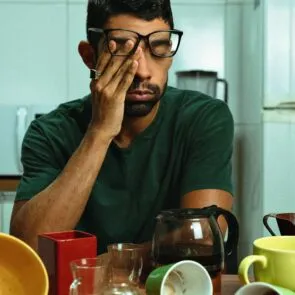
Poor sleep usually does not arrive with a trumpet. It shows up in small, annoying ways. You wake up stiff. Warm-ups take forever. Your focus drifts. And by 2 p.m., coffee starts looking like a personality trait.
These are useful clues, not a diagnosis. Over a few days, weak sleep can chip at both body and brain recovery.
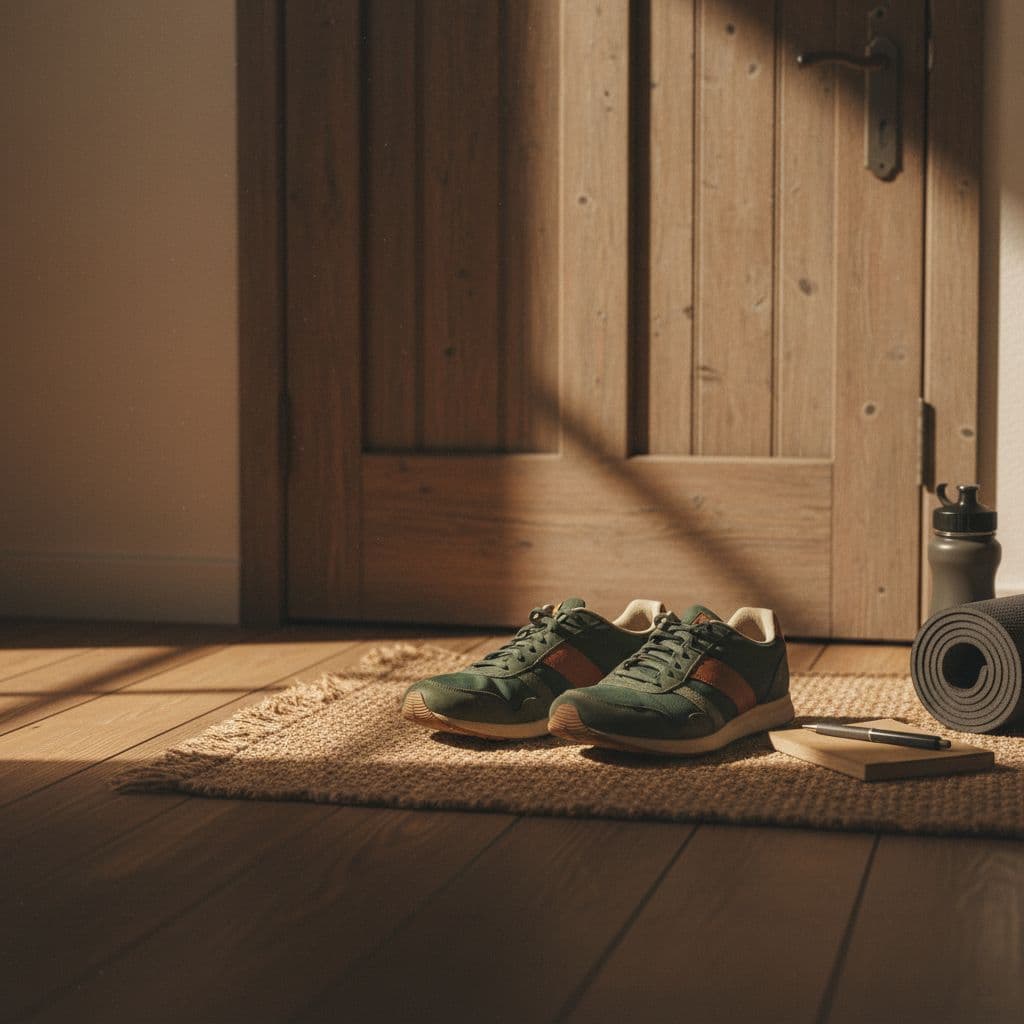
Caption: When recovery slips, even putting on your shoes can feel heavier than usual.
The training mistakes that can make recovery harder
A common pattern looks like this: late hard workout, bright phone screen, random bedtime, maybe a drink to “take the edge off,” then a light dinner that never quite refuels the session. None of that sounds dramatic. Put together, it can chop up the night.
Late intense training can leave the nervous system buzzing when you want it settling. Alcohol may make you sleepy at first, but it often breaks up the second half of the night, when REM gets more room. Under-fueling can do its own damage, because the body stays on alert when it still thinks work is unfinished.
If sore spots linger the next day, a layered tool like the Active Recovery Power Duo can support a broader recovery plan. It works best beside sleep, food, and mobility, not instead of them.
How to spot when you need more rest, not more effort
Give yourself a three-day check, not a one-night verdict. Rate four things each morning: energy, mood, soreness, and focus. Keep it simple, one to five.
If two or more numbers keep dropping, your body might be signaling for more rest, not more grit. Data-driven athletes often miss this because we like doing more. Yet recovery debt tends to hide behind effort, right up until the legs feel flat and the brain feels slow.
How to improve sleep for athletic recovery
Most everyday athletes do not have a supplement problem first. We have a transition problem. Training ends, but the body never gets the memo that the day is over. That is why sleep hygiene for athletes matters so much. It tells the nervous system, the mind, and the muscles that it is safe to stand down.
Plant-based wellness can get confusing fast. Start small. A cooler room and a steadier bedtime still beat a shelf full of trendy fixes.
Build a calmer evening routine that tells your body it is time to recover
Lower the lights in the last hour before bed. Put the phone farther away than your hand wants it. Keep the room cool, dark, and boring in the best possible way.
A short wind-down ritual helps too. Five minutes of easy stretching, a warm shower, light reading, or slow breathing can work. It is not fancy, but that is the point. The body likes clear signals more than heroic effort at 10:47 p.m.
What to do with food, caffeine, and timing so sleep works for you
Caffeine hangs around longer than most of us think. For many people, a mid-afternoon cutoff works better than an evening gamble. Timing matters with food too. A huge late meal can feel like asking your stomach to run sprints while the rest of you wants sleep.
Hydrate, but do it with some common sense. Enough fluid helps recovery, yet chugging a bottle right before bed can turn the night into a hallway commute. A NIH review on sleep hygiene in athletes points to the same basics, steady timing, smart light exposure, and habits that protect the quality of the whole night.
A simple recovery checklist you can use tonight
Self-Assessment Checklist
- I stopped caffeine early enough to feel calm at bedtime.
- I ate enough after training, without a huge late meal.
- My room is cool, dark, and screen-light is low.
- I am going to bed close to my usual time.
- My body feels tired, not wired.
If you checked 3 or more, you may be in the “mostly ready to recover” wellness archetype. If you checked 2 or fewer, your body might be signaling that tonight needs more winding down and less pushing.
The athlete’s nighttime reset: a practical plan for better recovery
This is where athlete sleep recovery gets real. We do not need a perfect spa routine. We need a repeatable half-hour that works on regular nights, with work, training, dishes, and family still happening.

Caption: A steady bedtime ritual can make next-morning energy feel less random.
- Dim the room 30 minutes before bed, so your brain gets the message that the day is ending.
- Hydrate lightly and have a simple post-workout snack if dinner was early or training ran late.
- Loosen the body with five minutes of stretching or easy floor mobility.
- Slow the pace with six to ten calm breaths, or a few pages of a book.
- Get in bed on time most nights, even when the routine is not perfect.
A 30-minute wind-down plan that does not feel fussy
If you want one tool to remember, protect the last 30 minutes before bed. That window is often where tomorrow’s recovery gets won or lost. Some people also like pairing that routine with The Total Nightly Reset Bundle, especially if they want a more complete evening ritual around sleep.

Small fixes that can improve the next morning
Morning light helps set the clock for the next night, so get outside when you can. Add a few minutes of easy movement, then notice what your body is telling you. Better recovery rarely comes from one massive change. It builds from small cues the body can trust.
Better recovery starts with better nights
Waking up sore after a hard session is part of training. Waking up dull, flat, and foggy for days is often a sleep story. Deep sleep does more of the physical repair, while REM helps the brain sort skill, mood, and sharpness so tomorrow’s session feels more like you.
That is why REM sleep muscle recovery matters, even though deep sleep handles more of the body work. Better recovery starts with a calmer night, a steadier rhythm, and the grace to do the simple stuff well.
Maximize Your REM
Master Your Recovery. Deep sleep and muscle repair don’t happen by accident. Optimize your evening transition with CalmlyRooted’s premium formulas and wake up ready to perform.
- Instantly Save 27%: Apply code WELLNESS27 at checkout to fuel your recovery for less.
- Unlock Free Shipping: Automatically applied to all orders over $49.95!

Published By: