No products in the cart.
Nightly Sleep Hygiene Guide: Simple Rituals for a Better Life

You know the feeling, you’re finally in bed, lights off, body tired, and your brain is still sorting tomorrow’s to-do list like it’s getting paid overtime. That’s where Nightly Sleep Hygiene helps, not as a pile of random tips, but as a calm, repeatable system that tells your brain and body the day is ending.
TL;DR: Nightly sleep hygiene works best when it gives your body the same clear cues each night, so you fall asleep with less friction and wake up with better energy, focus, and recovery.
Key Takeaways
- Nightly sleep hygiene is about clear signals, not sleep perfection
- Sleep quality now matters alongside hours slept, especially for next-day alertness and energy
- A steady ritual can reduce mental spin, support recovery, and make mornings feel less foggy
- This guide is built for busy high-achievers who want a system they can repeat
Modern sleep research is paying more attention to what happens the next day, not only how long you were in bed, but whether you wake up clear-headed, steady, and able to function well. In other words, good sleep hygiene isn’t about chasing a perfect night, it’s about stacking the odds in your favor, and if you want a done-for-you option, the complete nightly sleep ritual fits neatly into that approach.
From the why behind the ritual to the step-by-step routine, common mistakes, self-checks, case examples, FAQs, and solutions, let’s start with what nightly sleep hygiene actually does for a busy brain and a worn-out body.
What is sleep hygiene?
Most of us were taught to think about sleep in one simple metric, hours. But Nightly Sleep Hygiene is bigger than that. It’s the set of repeatable habits, cues, and conditions that help your brain ease off the gas, help your body settle, and help your sleep stay deep enough to actually feel useful the next day.
Think of it like setting a runway instead of hoping for a lucky landing. A good night does not usually start at bedtime. It starts with the rhythm of your evening, the light in your room, the timing of your last scroll, and the little signals that tell your system, “We’re safe, we’re done, we can power down now.”
Why nightly sleep hygiene matters more than just sleep duration
You can spend eight full hours in bed and still wake up feeling like your brain is wrapped in dryer lint. That happens when sleep is light, broken, delayed, or pushed around by a chaotic evening routine. In other words, time in bed is not the same thing as deep recovery.
That’s why the conversation around sleep has shifted. More researchers and clinicians are looking beyond total sleep time and asking a more useful question: How are you functioning the next day? Are you steady, clear, patient, and able to think straight by 10 a.m., or are you dragging yourself through the day with caffeine and grit?
This matters because sleep is not only about being unconscious for a certain number of hours. It’s about whether your body gets enough of the right kind of rest to support mood, focus, energy, and physical recovery. A messy evening routine can chip away at all of that, even if your bedtime looks good on paper.
A simple way to think about sleep hygiene is this:
- Sleep duration tells you how long you were in bed.
- Sleep quality tells you how well you actually rested.
- Daytime function tells you whether your night did its job.
That third point is where many busy people finally see the issue clearly. If your mornings feel heavy, your fuse is shorter, and your focus takes forever to click into place, your nightly routine may be working against you.
Fact-Density Sidebar
- Recent reporting from the University of Maryland School of Medicine highlights a growing focus in insomnia treatment: daytime function, not just time asleep.
- The point is simple, better sleep should show up in real life, including clearer thinking, better energy, and steadier performance the next day.
- Source: University of Maryland on daytime function in insomnia treatment
That shift is helpful because it matches real life. Most of us do not care about sleep as an abstract score. We care because we want to feel more like ourselves the next day.
Get more out of every article 👉 Join the Calm Collective for fresh insights sent directly to you.
The hidden cost of poor evenings for busy, driven people
If you’re wired to build, solve, lead, and keep things moving, poor evenings can quietly drain more than your energy. They can steal your sharpness. And because the drop is gradual, it’s easy to call it “just stress” or “just a busy season.”

Caption: Nightly Sleep Hygiene affects more than bedtime, it shapes how the whole next day feels, Calmly Rooted West Bloomfield MI.
Poor sleep hygiene often shows up in ways that seem unrelated at first. You reread the same email twice. Small annoyances feel louder. Your workout feels flat, even though you showed up. Decisions that should take five minutes somehow take twenty. By afternoon, it can feel like your system never fully rebooted.
For high-achievers, that’s the hidden cost. You may still perform, but you do it with more friction.
Here is what that friction often looks like in real life:
- Brain fog: The mental gears are turning, but they do not catch right away.
- Irritability: Your patience runs thin, especially with noise, delays, or people needing one more thing.
- Slower decisions: You second-guess simple choices because your mental energy is already low.
- Harder workouts: Your body feels heavier, and effort climbs faster than usual.
- No true reset: Even after a full night, you wake up feeling like yesterday never quite ended.
And then there’s the next-day spiral. When sleep is off, healthy choices usually get harder. You crave quick comfort. You skip the walk. You push water aside for another coffee. You stay on your phone too late again because you’re too tired to do the things that actually help. That is why Nightly Sleep Hygiene matters so much, it does not just protect sleep, it protects tomorrow’s decisions.
Look, it’s not a magic fix. But it is one of the clearest ways to lower friction in your life. A calmer evening often leads to a steadier morning, and a steadier morning changes a whole Tuesday. That is the real value. Not perfect sleep, just a system that helps you come back to yourself more often.
The 60-minute nightly sleep hygiene routine that helps you actually wind down
Most of us don’t need a perfect evening. We need a repeatable one. If your brain likes to keep the office open after hours, a simple 60-minute routine can act like a closing shift for your nervous system.
That is the real job of Nightly Sleep Hygiene. It gives your body the same signals, in the same order, often enough that winding down starts to feel normal instead of forced. Think less “fancy ritual,” more “clear cues that help the gears stop grinding.”
Start with light, screens, and mental off-loading
The first part of the hour is about reducing inputs. Bright lights, work tabs, texts, and one last email all tell your brain the day is still active. Late-night screen time can also add blue light exposure, which may keep the brain more alert when you want it easing off. The Sleep Foundation’s overview of blue light and sleep does a good job explaining why that matters.
Start by dimming lights through the house, not only in the bedroom. Warm, lower light works like a gentle sunset cue. It tells your system that nighttime is here, and that counts more than people think.
Then put screens away about an hour before bed if you can. For a lot of us, the problem isn’t only the light. It’s the mental posture that comes with screens. Email, news, scrolling, and late work all whisper the same message: stay sharp, stay available, keep solving.
A fast mental off-load helps close that loop. Keep it simple:
- Write down what’s still circling in your head.
- Make a short tomorrow list, just the next few priorities.
- Name one thing that can wait.
That tiny “brain dump” matters because loose thoughts behave like browser tabs. They keep running in the background, draining energy even when you want quiet.
If you have to use a device, don’t give up on the routine. Just make the device less stimulating. Lower the brightness, switch to warm night settings, and end demanding tasks first. In other words, don’t go from spreadsheet mode straight to pillow mode. Give your brain a softer landing.
A good wind-down routine is not about doing more. It’s about removing enough noise that your body can hear bedtime.
Set up your room so your body gets the message
Your room should make sleep feel obvious. Cool, dark, quiet, and fairly uncluttered is still the gold standard, because your body responds to the environment whether you mean it to or not. According to Harvard Health’s sleep hygiene basics, simple changes in the sleep space can support better rest.
A few basics go a long way:
- Cool: Many people sleep better when the room is on the cooler side.
- Dark: Blackout curtains, an eye mask, or covering small lights can help.
- Quiet: Use a fan, soft white noise, or earplugs if your space is noisy.
- Clear: Clutter gives your eyes and brain one more thing to process.
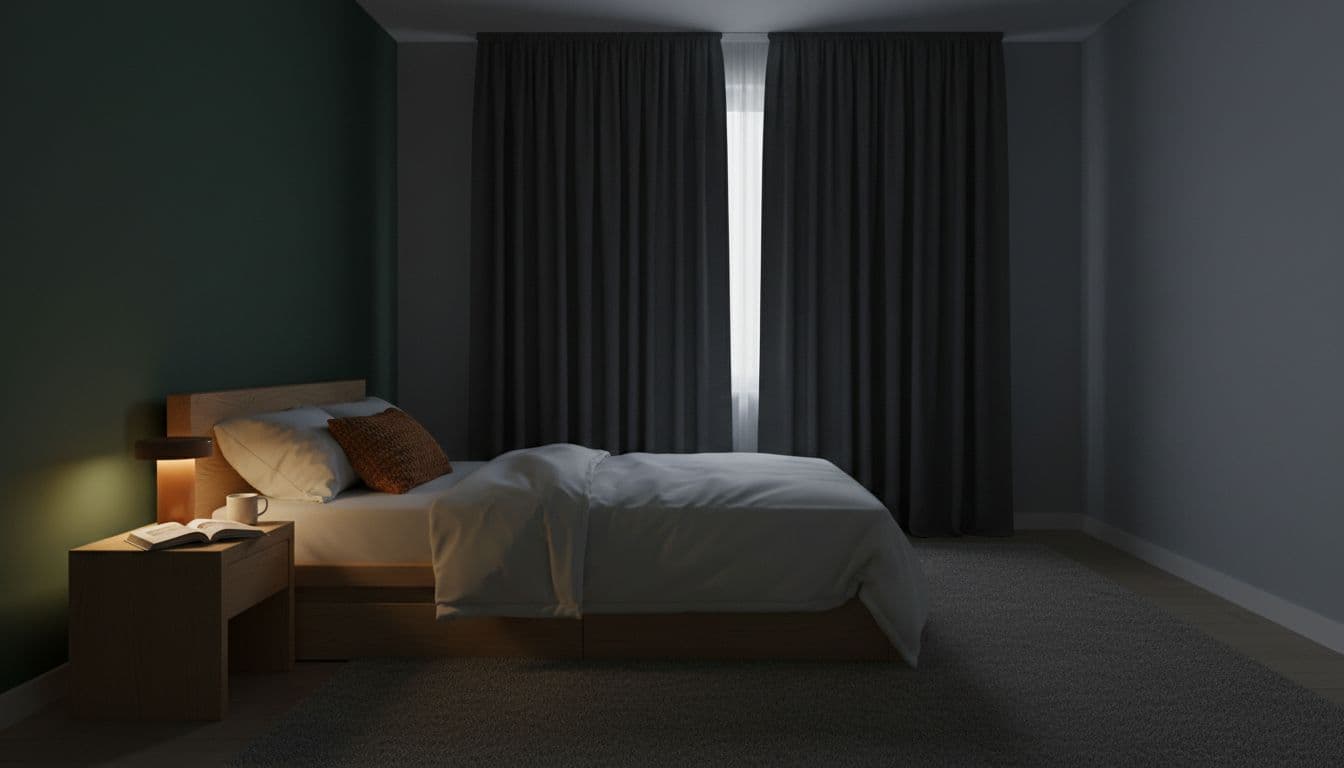
Caption: Nightly sleep hygiene bedroom setup.
A cool, dark, quiet room helps nightly sleep hygiene feel automatic, not forced. Calmly Rooted West Bloomfield MI.
It also helps to protect the meaning of the bed. If your mattress becomes a second office, a snack bar, and a doom-scroll station, your brain starts pairing that space with activity instead of rest. That connection is subtle, but it adds up. Bed should feel like a cue for sleep, not a place where the day keeps dragging on in sweatpants.
One practical rule works well here: keep work materials and active devices out of bed. A laptop on the comforter is basically a neon sign that says, “We’re still on.”
And if your room isn’t Pinterest-perfect, that’s fine. Nightly Sleep Hygiene is not a decor contest. A calmer room with fewer signals is enough.
Choose a calming ritual you will actually repeat
This is where people often overcomplicate things. The best evening ritual is not the most impressive one. It’s the one you’ll still do on a random Tuesday when you’re tired, mildly annoyed, and not in the mood for a 14-step wellness performance.
A few realistic options:
- Gentle stretching to loosen the body after sitting all day
- Reading a paper book that doesn’t pull you into work mode
- Herbal tea if you enjoy the warmth and the pause
- Breathwork for a few quiet minutes
- A warm shower to help the body shift gears
- A magnesium bath if that feels relaxing to you
- Quiet journaling that helps you empty the day onto paper
The key is to choose one or two, not all seven. We tend to stick with rituals that feel easy, familiar, and a little comforting. That’s why the most effective routine often looks pretty ordinary from the outside.
It may also take a few tries. Look, it took plenty of us a while to get this right. Some people swear by reading and find that journaling wakes them back up. Others love a shower but skip the bath because, frankly, life is busy and the tub is not calling every night. That’s normal.
A helpful way to test your routine is to ask one honest question: Would I still do this after a long workday? If the answer is no, trim it down. Better a simple ritual you repeat than an ideal one you abandon.
One contrarian truth here, because it matters: the goal is not to become sleepy on command. The goal is to become less activated. That shift is often what finally makes sleep feel possible.
Use plant-based tools as support, not as a shortcut
Plant-based support can fit nicely into a wind-down routine, but behavior still comes first. If the lights are blazing, your phone is in your face, and your brain is doing tomorrow at full speed, no product is going to do the heavy lifting for you.
That said, some people want a ready-made support system that helps the ritual feel easier to repeat. In that case, The Total Nightly Reset Bundle can serve as a practical solution center inside a broader evening routine. Think of it as support for a calming evening rhythm, not as a magic switch you flip after a chaotic night.
That framing matters. Products can support the ritual, but they should not replace the basics:
- lower the stimulation
- clear the mental clutter
- make the room sleep-friendly
- repeat the same cues often enough that your body learns them
And that’s the part many high-achievers miss. We tend to look for the strongest tool, when what usually helps most is a stack of steady signals. A dim lamp. A quieter room. A written tomorrow list. A cup of tea. A consistent bedtime. Optional plant-based support can sit on top of that stack, but it should never be the whole stack.
In other words, build the runway first. Then, if you want, add supports that make the landing smoother.
The 10 nightly habits that quietly wreck sleep and recovery
Most sleep problems do not start with the pillow. They start with small evening choices that seem harmless, even productive. And because they feel normal, they often slip past us without much notice.
That is why Nightly Sleep Hygiene matters so much. A rough night is often built one tiny habit at a time, like leaving little pebbles on the runway and then wondering why landing feels bumpy.
Racing thoughts, revenge bedtime procrastination, and late-night work mode
A tired body does not always mean a quiet mind. Stress, loose ends, and that half-finished task can keep the brain humming long after the day is over. You may be in bed, but part of you is still sitting at the desk.
Then there is revenge bedtime procrastination, which is a fancy term for a very human move. You spend the day working, helping, managing, answering, and holding it together, so late at night you try to “get your time back.” One more episode. One more scroll. One more hour that finally feels like yours.
In the moment, it feels good because it gives you a small sense of freedom. The problem is that you borrow that freedom from tomorrow morning. So the reward is real, but the bill shows up fast.
A lot of professionals know this pattern too well. You open your laptop to send one last email at 10:15 p.m. Then you clean up the message, check two replies, tweak tomorrow’s calendar, and somehow it is 11:22. Your body got tired an hour ago, but your brain is now back in work mode, bright-eyed and unhelpful.
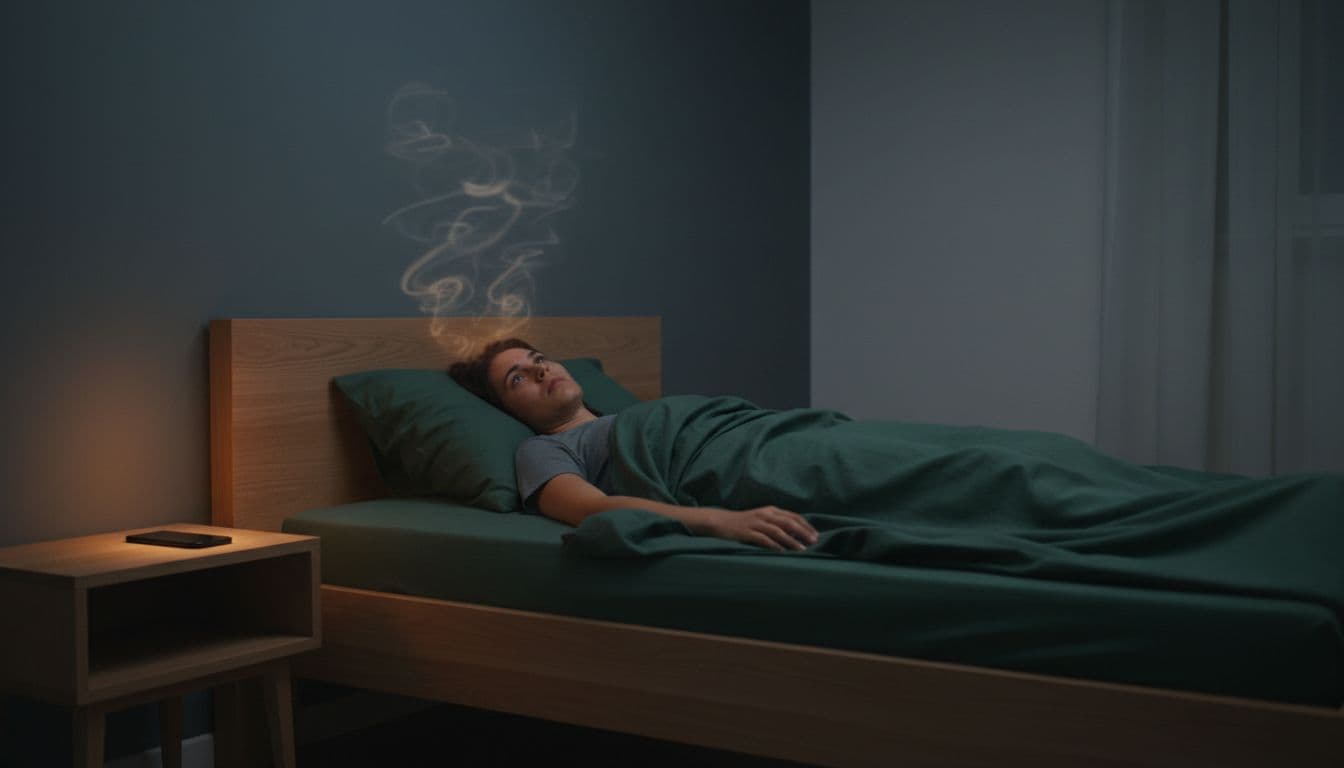
Caption: Racing thoughts can quietly undo Nightly Sleep Hygiene.
The contrarian part is this: the issue is not always lack of discipline. Often, it is lack of closure. If the day never feels finished, your brain keeps the shop lights on. That is why unfinished tasks are so sticky at night. They feel unresolved, and unresolved things love bedtime.
Screens, caffeine, alcohol, and heavy late meals
These four often travel together, especially on long workdays. A screen keeps you engaged, caffeine stretches your alertness, alcohol makes you feel relaxed too early, and a heavy meal keeps your system busy when it should be settling down.
Screens are not only about blue light, though that matters. They also pull you into an alert mental state. Email, news, video, shopping, and social feeds all invite one more decision, one more hit of stimulation, one more reason to stay awake. The Sleep Foundation’s guide to blue light and sleep explains how late light exposure can shift your body clock later.
Caffeine adds another layer. Even if you can fall asleep, you may not sleep as deeply as you think. A practical rule that works for many people is simple: cut caffeine at least 8 hours before bed. If you are sensitive, you may need an even earlier cutoff. The Sleep Foundation’s caffeine and sleep overview is helpful here.
Alcohol is sneaky because it can feel like a shortcut to winding down. You get drowsy, your shoulders drop, and you think, “Great, this is working.” But later in the night, sleep often gets lighter and more broken. The Sleep Foundation’s alcohol and sleep page notes that alcohol may make you sleepy at first while still disrupting normal sleep patterns later.
And then there is the heavy late meal. A big plate of pasta, spicy takeout, or rich dessert too close to bed can keep digestion running hard when the rest of you is trying to power down. That does not always stop sleep from starting, but it can make the night feel more restless.
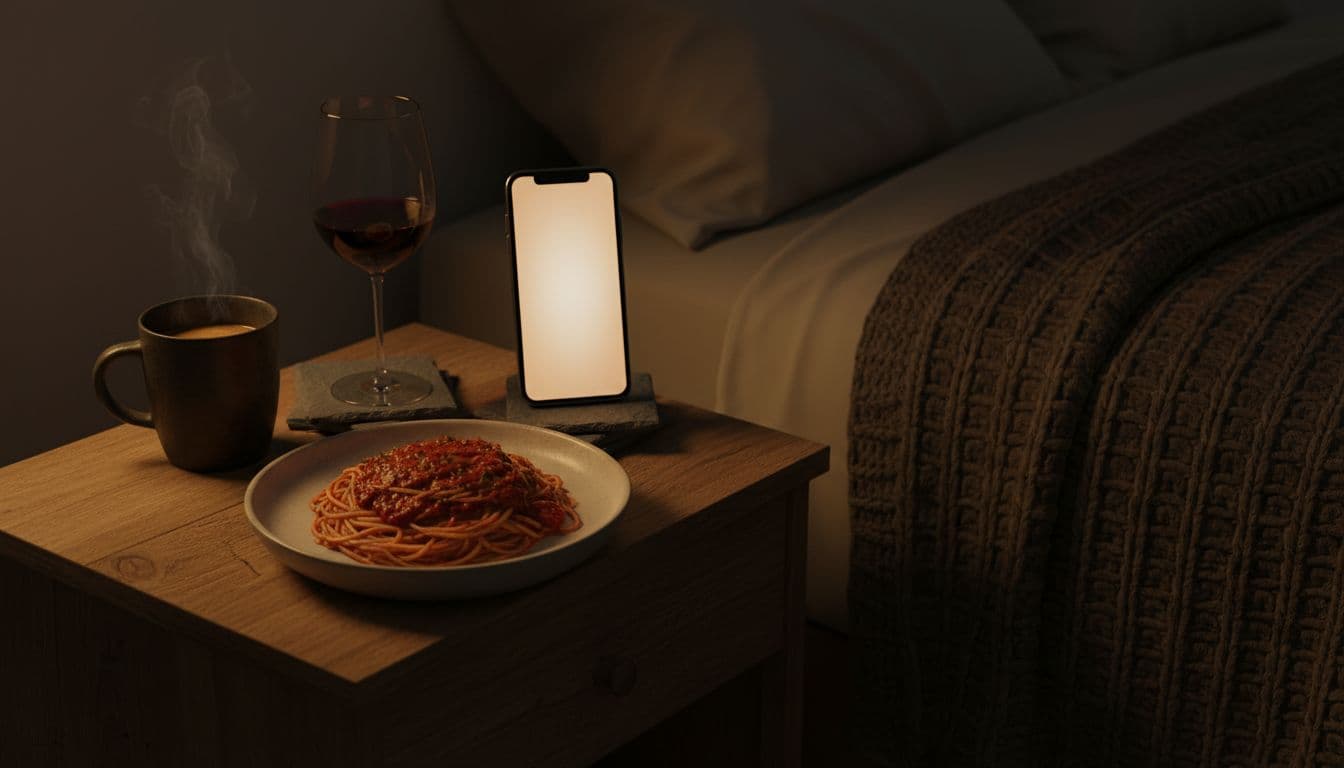
Caption: Screens, caffeine, alcohol, and heavy meals can throw off Nightly Sleep Hygiene.
Fact-Density Sidebar
- Blue light from devices can delay your body clock and make it harder to feel sleepy at night.
- Caffeine can keep affecting sleep for hours, which is why an afternoon cutoff helps many people.
- Alcohol may feel calming at first, but it often leads to lighter, more broken sleep later.
- Sources: Blue light and sleep, Caffeine and sleep, Alcohol and sleep
Irregular timing, long naps, travel, and a bedroom that feels like an office
Your body likes rhythm. It likes familiar light, familiar timing, and familiar cues. So when bedtime swings wildly from night to night, your internal clock gets mixed signals. One late night may not wreck much, but a week of mixed timing can make sleep feel oddly slippery.
That is why irregular sleep schedules hit harder than many people expect. Sleeping from 10:30 p.m. to 6:30 a.m. on weekdays, then 1:00 a.m. to 9:30 a.m. on weekends, asks your body to keep changing time zones without leaving the house. Research on circadian rhythms and recovery keeps pointing back to the same idea: consistency helps the body do repair work more smoothly. The PMC review on circadian rhythms in sleep and recovery gives a clear overview.
Long naps can cause similar trouble, especially late in the day. A short early nap may be fine for some people, but long afternoon sleep can take the edge off your natural sleep drive. Then bedtime comes, and you are tired but not sleepy enough. That is a frustrating combo.
Travel can throw things off, too. Hotel beds, time changes, late dinners, and bright hall lights make it harder to keep your usual rhythm. And if your bedroom has started to feel like an office, the message gets even noisier. A laptop on the bed, papers on the nightstand, charger cords everywhere, maybe a glowing phone in your partner’s hand, all of that tells the brain the day is still active.
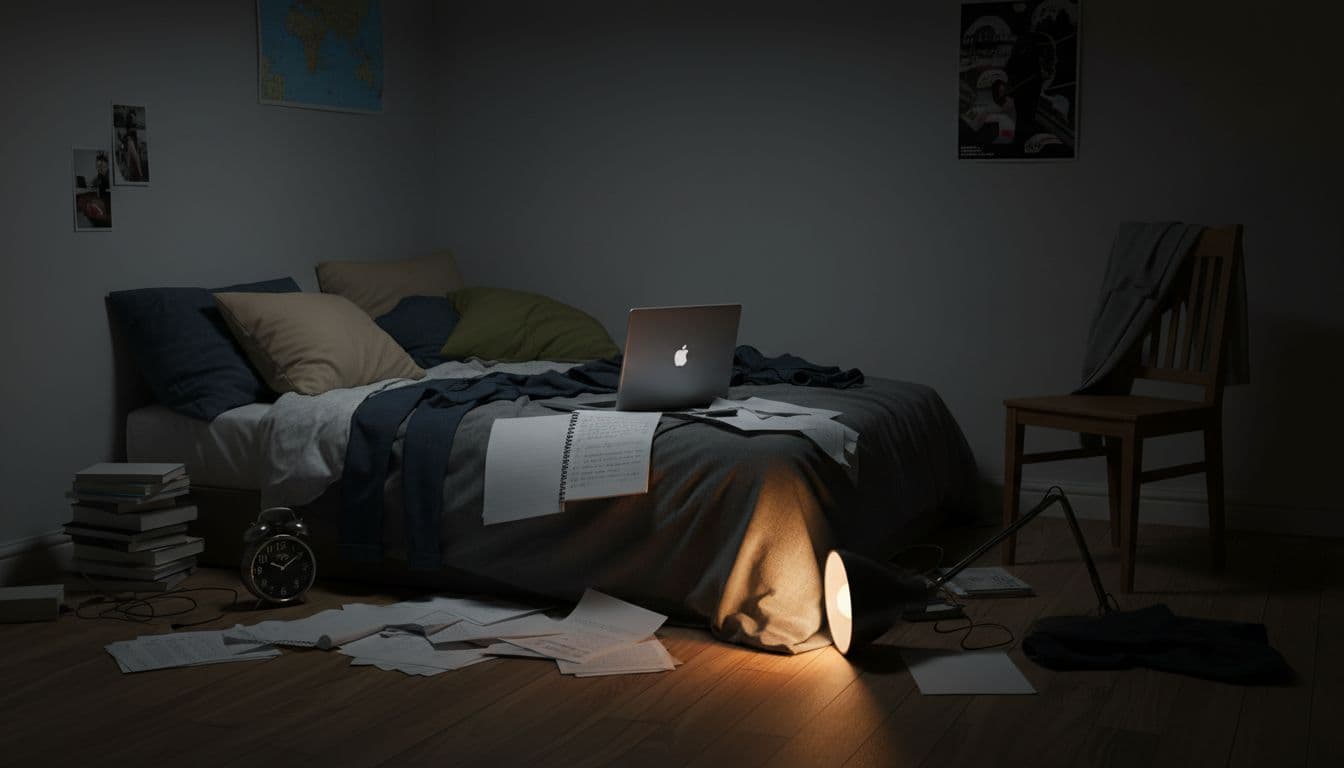
Caption: A bedroom that doubles as an office can weaken Nightly Sleep Hygiene cues.
There is no shame in any of this. Modern life makes mixed signals easy. Still, a few habit shifts can help fast:
- Keep bedtime and wake time steady most nights, even if they are not perfect.
- Limit long late naps so sleep pressure can build by evening.
- Reset quickly after travel with local meal times, dim evening light, and a normal bedtime.
- Protect the bed from work mode by moving laptops, paperwork, and active scrolling somewhere else.
Sometimes the biggest win is not adding more to your night. It is simply making your bedroom feel like sleep lives there again.
Build your own recovery ritual based on what your evenings are really like
A good evening routine should fit your real life, not your fantasy life. If your nights are messy, mentally loud, or all over the map, Nightly Sleep Hygiene works better when you match the ritual to the problem in front of you.
That means less copying someone else’s 12-step wind-down and more paying attention to your own pattern. For some of us, the issue is stress. For others, it’s too much stimulation or no consistency at all. Once you spot the main friction point, your routine gets simpler, and it starts working like a real shut-off valve instead of a nice idea.
If your problem is stress, make your routine lower the mental volume
Stress-heavy evenings need fewer sparks to chase. When your mind is still sorting conversations, deadlines, and tomorrow’s loose ends, the goal is not to force sleep. The goal is to stop feeding the fire.
A simple brain dump works because it gives your thoughts a place to land. You are not solving your whole life at 10:07 p.m. You are just getting the tabs out of your head and onto paper. That small move often lowers the pressure fast.

Caption: A brain-dump journal session can lower mental noise and support Nightly Sleep Hygiene.
Then keep the rest of the routine quiet and predictable. Think of it like turning down a stereo, one knob at a time:
- Write down what’s circling: A few lines is enough. Name worries, tomorrow’s tasks, or anything unfinished.
- Take slow breaths: Try a few minutes of longer exhales. This helps your body stop acting like the day is still urgent.
- Stretch gently: Nothing heroic. A few easy movements can loosen the “still carrying the day” feeling.
- Soften the light: Lamps beat overheads. Lower light gives your brain fewer cues to stay alert.
- Remove late choices: Pick pajamas, set out water, and decide tomorrow’s basics early. Less decision-making means less mental momentum.
This is the plain-language reason it helps: a stressed mind grabs onto anything with energy. Bright light, one more text, a last-minute decision, even a messy counter can become one more thing to track. A quieter routine gives the mind less to chase.
And if you want a grounded example, this is one many of us actually use: notebook, face wash, two minutes of breathing, bed. Not glamorous, but that’s the point.
When stress is the problem, the best routine is the one that makes the night feel smaller, softer, and less demanding.
If your problem is stimulation, create a strong shut-down signal
Some evenings are not stressed so much as switched on. You answer one email, watch one clip, finish one task, then wonder why your body is tired but your brain is acting like it’s noon.
In that case, Nightly Sleep Hygiene needs a clear end-of-day ritual. Repetition matters here. When you do the same few steps in the same order, your body starts reading them like a closing sign on a shop door: we’re done for today.
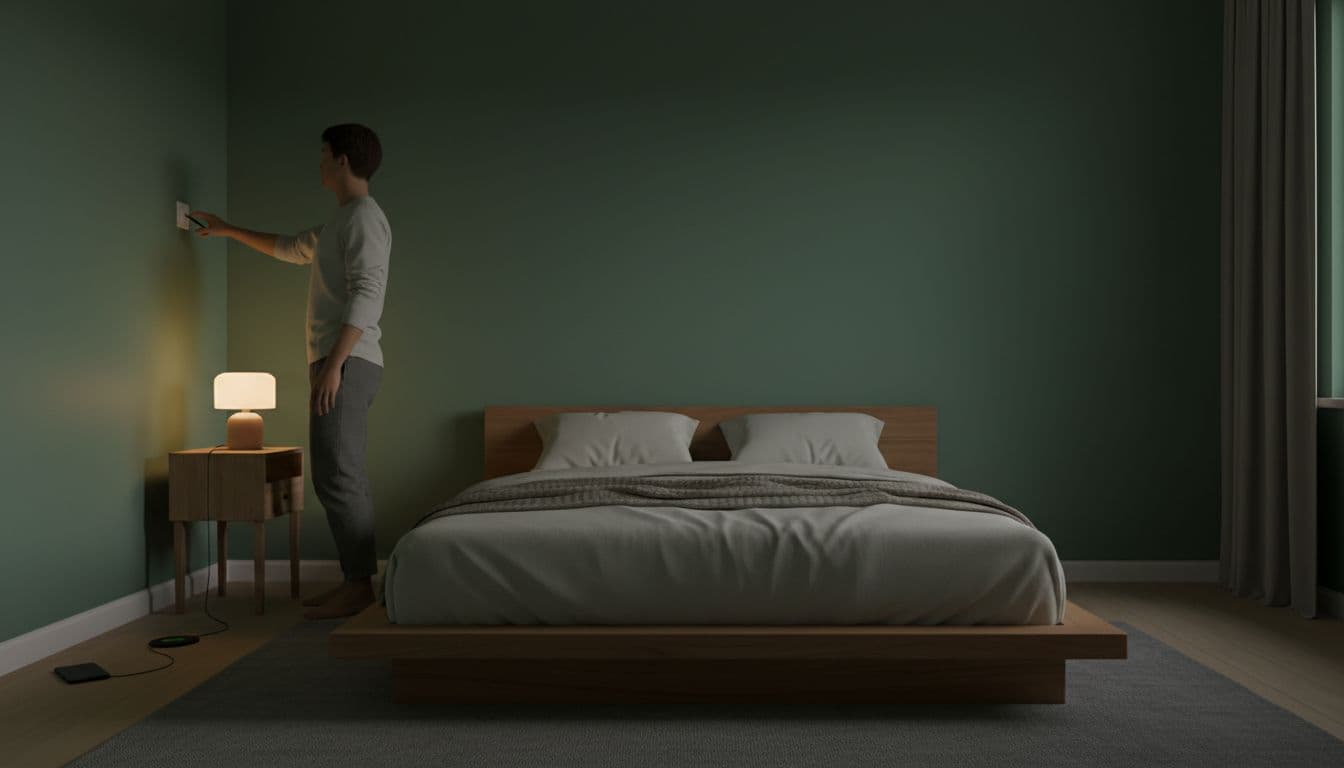
Caption: Dimming lights creates a strong shut-down signal for Nightly Sleep Hygiene.
That shut-down signal usually means cutting the big alertness drivers first:
- Screens: The issue is not only light, it’s the mental pull. Scrolling keeps the brain in response mode.
- Work tasks: Even a “quick check” can drag you back into problem-solving.
- Late intense exercise: Great for health, not always great right before bed if it leaves you buzzing.
- Bright overhead lights: They tell the body to stay awake and engaged.
A strong shut-down ritual can be boring on purpose. That’s not a flaw. It’s the feature. For example, dim the lights, plug your phone in outside arm’s reach, wash up, read two pages, then get in bed. Same order, same message.
That pattern is backed by the basic logic behind bedtime routines, and even mainstream lifestyle coverage keeps pointing to the same small habits, like dim lights and calming activities, because they help signal that sleep is next, not more productivity. Martha Stewart’s guide to an evening routine for better sleep lands on that same practical point.
Look, it’s not fancy. But a repeated shut-down sequence teaches your system to stop waiting for the next input.
If your problem is inconsistency, use anchors instead of chasing perfection
If your bedtime moves around because life is life, don’t throw the whole routine out. You don’t need a perfect 60-minute ritual every night. You need anchors you can repeat even on a busy Tuesday, after a late dinner, or when the house is still a little noisy.
That is the contrarian truth most people miss: a short routine you actually do beats the ideal routine you keep postponing.
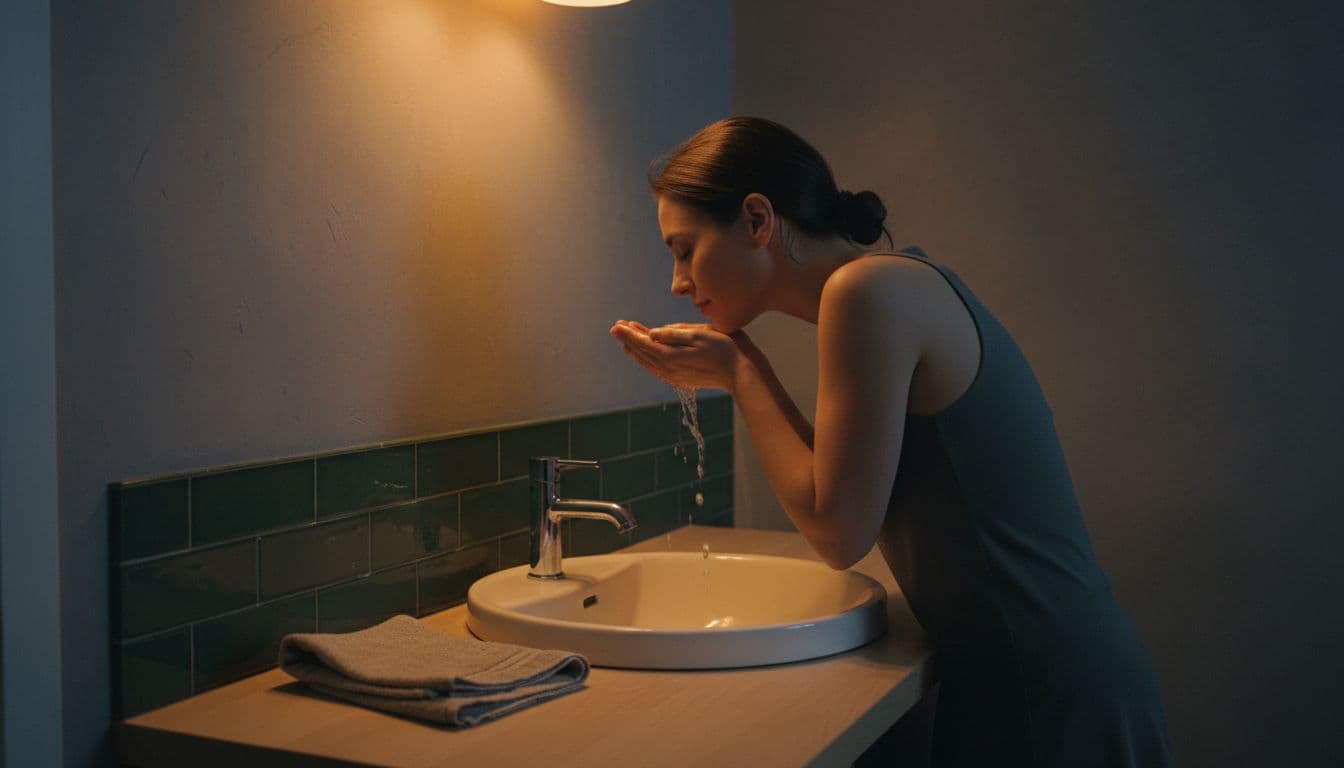
Caption: Simple anchors like washing your face make Nightly Sleep Hygiene easier to repeat.
Pick 2 to 3 fixed steps that happen no matter what time bed starts. For example:
- Dim the lights
- Wash your face
- Write a 5-minute journal note
These anchors work because they stay stable even when the clock doesn’t. Your body starts linking those steps with winding down, and that link matters more than chasing some flawless bedtime routine from the internet.
If you want a simple self-check, this quick table helps:
| What your evening looks like | Your best anchor style | Educational insight |
|---|---|---|
| Bedtime changes often, but you want structure | 2 fixed steps, same order nightly | You’re a Flexible Resetter |
| You start strong, then skip the whole routine on hard days | 3 very short steps, under 10 minutes total | You’re an All-or-Nothing Cycler |
| You stay up because the night never feels finished | Add a written “day is done” cue | You’re a Closure Seeker |
The takeaway is simple: build for your real evenings. If your routine survives imperfect nights, it will actually support recovery. And that’s what makes it useful.
A quick nightly reset checklist to find your sleep style
Some nights feel smooth. Other nights feel like your body showed up, but your mind kept the office lights on. This quick Nightly Sleep Hygiene reset helps you spot your pattern fast, so you can stop guessing and start fixing the right thing.
And here’s the useful twist: the goal isn’t to judge your night. It’s to notice which part of your evening keeps pulling the thread loose. Think of this as a two-minute mirror, not a report card.
Score your nightly sleep hygiene in 2 minutes
Before you change your routine, get a clear snapshot of where you stand. Read through the checklist and count how many feel true for most nights this week.
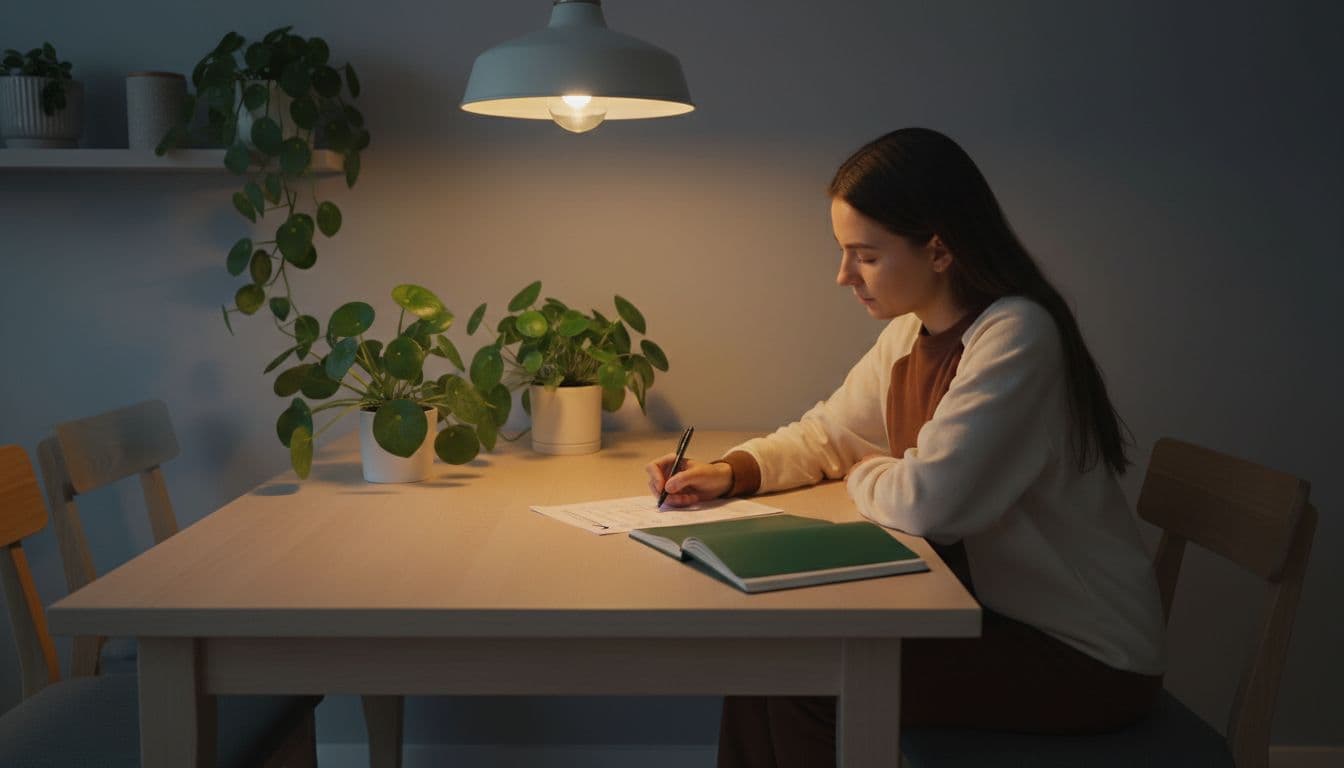
Caption: A quick nightly reset can reveal which sleep habits are helping, and which ones keep the gears turning, Calmly Rooted West Bloomfield MI.
Use this as a simple self-check:
| Nightly reset habit | If this sounds like you, count it |
|---|---|
| Regular bedtime | I go to bed around the same time most nights |
| Screen cutoff | I stop scrolling, emailing, or watching screens 30 to 60 minutes before bed |
| Caffeine cutoff | I stop caffeine by early afternoon, usually around 1 to 2 PM |
| Sleep-friendly room | My room is dark, cool, and quiet enough for sleep |
| Calming ritual | I do one simple wind-down habit, like reading, stretching, showering, or journaling |
| Mental off-load | I write down tomorrow’s tasks or what’s circling in my head |
| Bed means sleep | I don’t use my bed as a second office or late-night scroll station |
Here is the fast read on your score:
Educational Insight
- 0 to 2 checked: Your evenings may be running on stimulation, not shutdown. Start with one anchor habit, not five.
- 3 to 4 checked: You’ve got some structure, but one or two leaks may still be draining recovery.
- 5 or more checked: Your foundation is solid. Now focus on consistency and timing.
That middle group is where many of us live. We do a few things right, then one late email or one “quick” scroll undoes the soft landing. That’s the contrarian truth, by the way: sleep trouble often isn’t caused by a dramatic mistake. It’s usually one small gap repeated nightly.
For a practical breakdown of common sleep hygiene habits, Northwell Health has a helpful sleep hygiene checklist. It lines up with what most people notice in real life, timing, light, environment, and wind-down all matter.
This checklist offers educational insight only. It isn’t medical advice, and it doesn’t diagnose a sleep disorder.
Meet the three nightly reset archetypes
Once you know your score, the next step is simple: match yourself to the pattern that fits best. That makes your next move feel lighter, because you’re fixing the right leak instead of replacing the whole roof.
The Wired Achiever
You feel tired but mentally loud, like your body wants bed and your brain wants one more round.
First habit to fix: Create a hard stop for work and do a two-minute brain dump before bed.
This is common for high-achievers. We tell ourselves we’re being responsible, but really, we’re dragging tomorrow into tonight. If this is you, your best fix isn’t a fancier routine. It’s closure.
The Delayed Unwinder
You feel fine at night, then regret it in the morning because your wind-down starts too late.
First habit to fix: Set a screen cutoff and dim the house lights earlier than feels necessary.
This pattern often hides behind “I just need a little time to myself.” Fair enough. But if your only free time starts at 10:30 p.m., your nervous system never gets a real chance to exhale. Start your reset sooner, even by 20 minutes.
The Inconsistent Sleeper
You feel off-balance and hard to reset, because your bedtime, wake time, or routine changes too much.
First habit to fix: Pick one steady anchor, like the same wake time or the same three-step bedtime routine.
This archetype doesn’t need perfection. It needs repetition. A short routine you actually keep is far more powerful than a perfect one you only do on calm nights.
If you’re not sure which one fits, notice what keeps happening:
- If your mind races, you’re likely The Wired Achiever
- If your night stretches longer than planned, you’re likely The Delayed Unwinder
- If every evening looks different, you’re likely The Inconsistent Sleeper
Most of us are a mix, and that’s okay. You don’t need to fit in a neat little box. You just need a starting point that feels honest. Once you see your sleep style clearly, Nightly Sleep Hygiene stops feeling like vague advice and starts feeling like a real system you can trust.
What real people learn when they improve nightly sleep hygiene
Most of us don’t notice sleep hygiene working all at once. We notice it sideways. The morning feels less muddy. The fuse gets a little longer. The day stops feeling like it started with a backpack full of bricks.
That’s the real lesson of Nightly Sleep Hygiene. Small habits rarely look dramatic at night, but they can quietly change how tomorrow feels.
Case example, better sleep habits can improve sleep quality within a month
Here is the encouraging part, better sleep habits do not always take forever to show up. In research on older adults, sleep hygiene education improved sleep quality in about a month, with one study noting roughly a 23% improvement in PSQI scores. In plain terms, that means people reported sleeping better after learning and using simple habits, not after chasing some perfect bedtime fantasy.
The PSQI, short for Pittsburgh Sleep Quality Index, is a common sleep questionnaire. Lower scores are better. In the research summary available through recent published findings, one group improved from 7.5 to 6.1 after a month of sleep hygiene teaching. That change matters because it reflects how sleep felt in real life, not just how long someone stayed in bed.
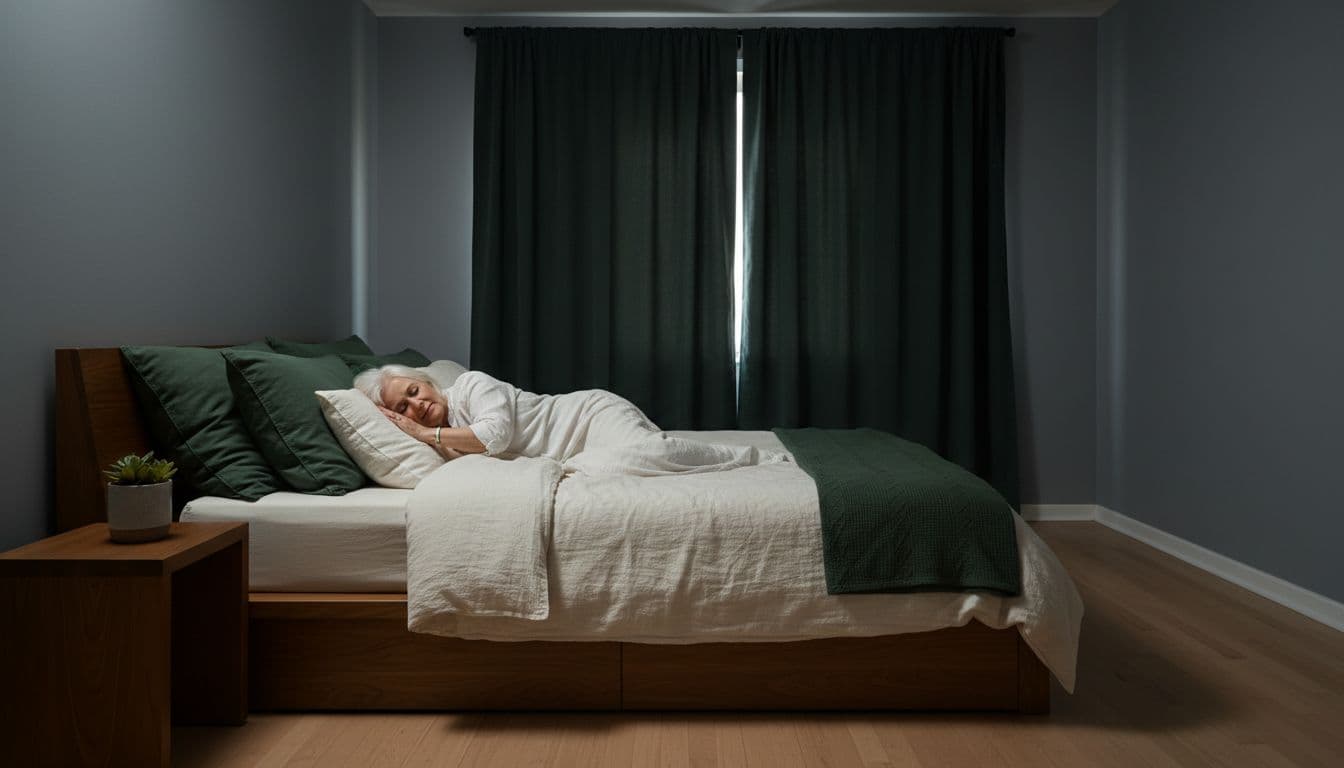
Caption: Better nightly habits can add up fast, especially when the routine is simple and repeatable.
A short fact snapshot helps put that in focus:
Fact-Density Sidebar
- In older adults, sleep hygiene education has been linked with about 15% to 23% improvement in PSQI scores.
- One reported change moved PSQI from 7.5 down to 6.1 after one month.
- Lower PSQI scores mean better self-reported sleep quality.
- Source: Frontiers study on sleep hygiene education in adults aged 50 to 80
- Open-access source: PMC article on improving sleep health through sleep hygiene education
The plain-English takeaway is simple: small habits add up. Dimmer lights, less late-night stimulation, a steadier bedtime, and a short wind-down routine may look almost too basic. Still, basic is often what works because basic is what we repeat. Sleep hygiene is less like flipping a switch and more like turning a big ship a few degrees each night. Then, a month later, you’re in a different place.
Human experience, the night routine that clears the morning fog
One of the clearest changes people talk about is not “I slept like a rock.” It’s, “I felt more like myself the next day.”
A friend described it this way. She used to check email in bed, with one eye half closed, telling herself she was just staying ahead. But those “quick checks” kept her brain on the clock. So she tried a simple reset for two weeks. No late emails. Lamps only, no bright overhead lights. Then a short ritual, wash face, jot down tomorrow’s top three, read a few pages, lights out.
Nothing about it looked fancy. In fact, it looked almost boring. But the next mornings told the truth.

Caption: A simple evening ritual can help clear the morning fog and make the whole day feel more workable, Calmly Rooted West Bloomfield MI.
She didn’t wake up transformed into a woodland sage. But she did notice a few real shifts:
- Less snapping at people: Small things stopped feeling so loud first thing in the morning.
- Easier focus: Work didn’t feel like pushing a shopping cart with a bad wheel.
- Fewer afternoon crashes: She still got tired, but not in that hard, glazed-over way.
- A cleaner start to the day: Her brain felt like it had actually shut down overnight.
That is where Nightly Sleep Hygiene earns its keep. It doesn’t only help bedtime. It can make a Tuesday morning feel less sharp-edged. And for busy people, that’s often the whole point.
The best night routine is not the most impressive one. It’s the one that leaves you steadier, kinder, and clearer the next day.
Look, it’s not a magic pill. It took her a few tries to get the rhythm right. Some nights still ran long. Some evenings still got noisy. But once she stopped treating bedtime like the last hour of the workday, the morning fog started to lift. That’s the kind of progress real people trust, because they can feel it where it counts.
Frequently asked questions about nightly sleep hygiene and recovery rituals
Most of us want sleep to improve fast, especially after a stretch of wired nights and blurry mornings. Fair enough. But Nightly Sleep Hygiene usually works more like tending a garden than flipping a switch. A few people notice small wins within days, while deeper recovery often shows up after steady repetition.
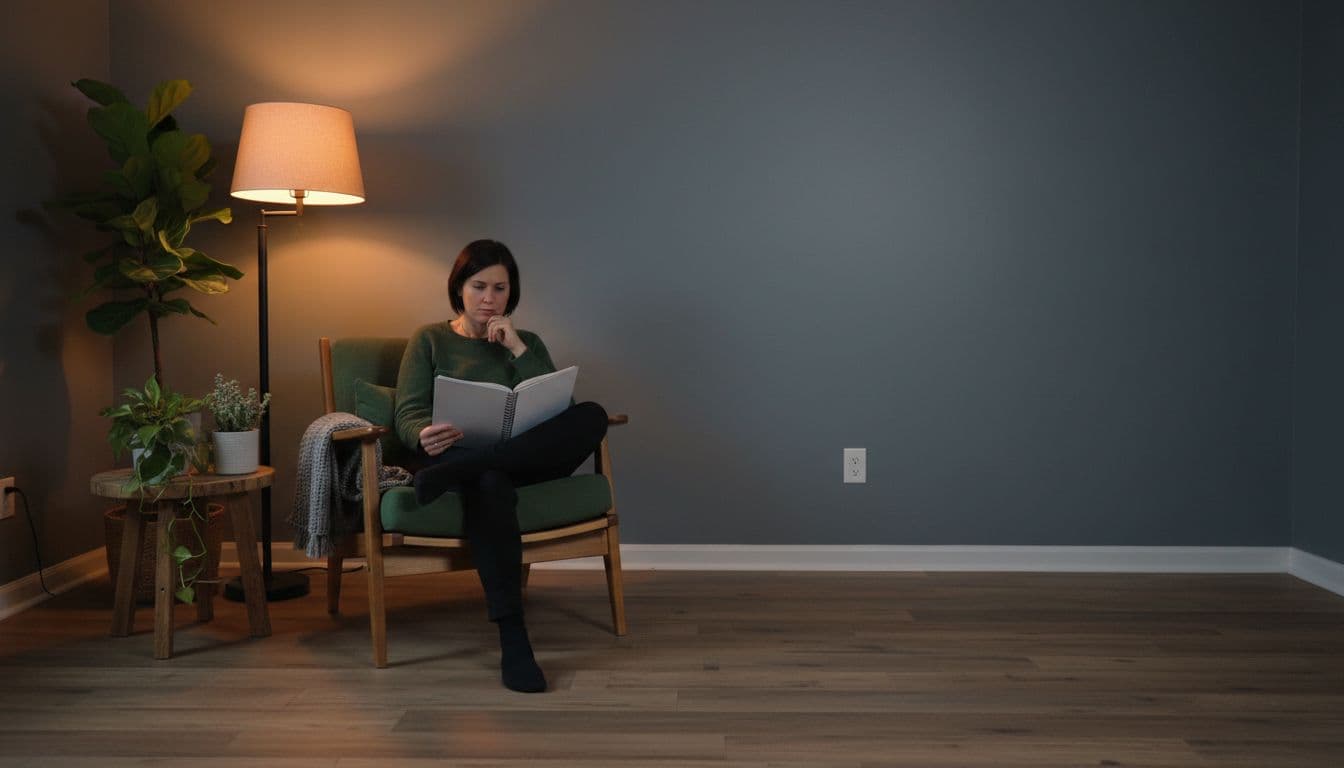
Caption: Common questions about Nightly Sleep Hygiene usually come down to one thing, how to make a simple ritual stick.
Published By: