
Research-Backed Insights | Updated July 2026. The Calm Collective Blog is a curated educational resource by CalmlyRooted.com. We explore plant-based, restorative strategies designed to help you navigate systemic wellness with clarity and intention.
If you’ve ever kicked one foot out of the covers at 2:17 a.m. and flipped the pillow to the cool side like it owed you money, you’re in familiar company. When you sleep hot at night, it doesn’t only feel annoying; it often chips away at the kind of rest that clears morning fog and helps the mental gears click into place.
A warm night can come from your room, your routine, your stress level, or all three at once. The good news is that hot sleep usually responds to steady cues, not heroic effort.
Need to Know: When you sleep hot at night and wake up worn out, the problem is often broken sleep quality caused by disrupted thermoregulation, not just a lack of hours. Optimizing your sleep environment helps, but true comfort goes beyond the thermostat. Stress, late meals, alcohol, and evening habits dictate your core body temperature just as much as the room itself.
Key Takeaways
- Your core body temperature needs to drop for you to sleep well, so late light, heavy meals, alcohol, and stress can keep you feeling too warm.
- Morning fatigue often comes from fragmented sleep, even when your total time in bed looks fine.
- A lower room temperature, breathable bedding, earlier caffeine cutoffs, and a steadier sleep schedule fix more than most people expect.
- If you use plant-based support, look for clean wellness products made with premium plant extracts and third-party lab tested formulas.
Why do I sleep hot at night?
To reach the restorative stages of deep sleep, your core body temperature must decrease. When that internal cool-down process gets blocked, your rest turns thin and fussy. You may drift off, only to wake up sweaty, restless, or feeling oddly alert.
Sometimes the cause is simple. An elevated room temperature, a heat-trapping memory foam mattress, a thick comforter, or synthetic pajamas can hold onto warmth far too well. Summer heat can make that worse, and longer evening light can also push your bedtime later.
✨Featured Snippet✨
Sunstar Group’s guide to summer lethargy points out that heat and longer daylight can disrupt the sleep cycle and leave mornings feeling heavier.
Biological factors also play a significant role. Many individuals experience night sweats or hot flashes, which are often linked to menopause or general hormonal fluctuations. Furthermore, those with a high metabolism may naturally generate more heat than others, making them more prone to feeling overheated throughout the night.
Beyond your physiology, the room is only half the story. Late alcohol, spicy food, heavy dinners, and hard evening workouts can keep your system running hot when you want it settling down. Stress adds another layer. If your brain is still sorting emails, bills, or unfinished tasks at 10:45 p.m., your body often stays a little too alert to cool smoothly. That is one reason how high cortisol disrupts sleep quality matters for hot, broken nights.
There is also an overlooked piece here. Hot sleep is often a timing problem. When bedtime swings all week, weekends run late, or travel scrambles your schedule, your body clock stops getting clean signals. Then the natural drop in temperature arrives late or feels weak, and you spend the night fighting the blanket.
If hot nights show up out of nowhere or come with other changes that worry you, check in with a clinician. For a lot of us, though, the fix starts with routine and environment.
What makes hot sleep turn into morning fatigue
A rough night does not always show up as fewer hours of rest. Sometimes you get seven or eight hours, yet still wake up with lead in your legs and cotton in your head. That is because sleep quality does more of the heavy lifting than we tend to admit.
When you keep waking up to cool off, you lose chunks of deeper sleep. This matters for physical recovery, mood, and the kind of steady focus that makes a normal Tuesday feel manageable. Under ideal conditions, your body temperature drops as you transition into restorative cycles, a process closely linked to the release of melatonin. Regular movement helps here as well. Daytime exercise often improves sleep depth, and better sleep feeds the next day’s energy, patience, and productivity.
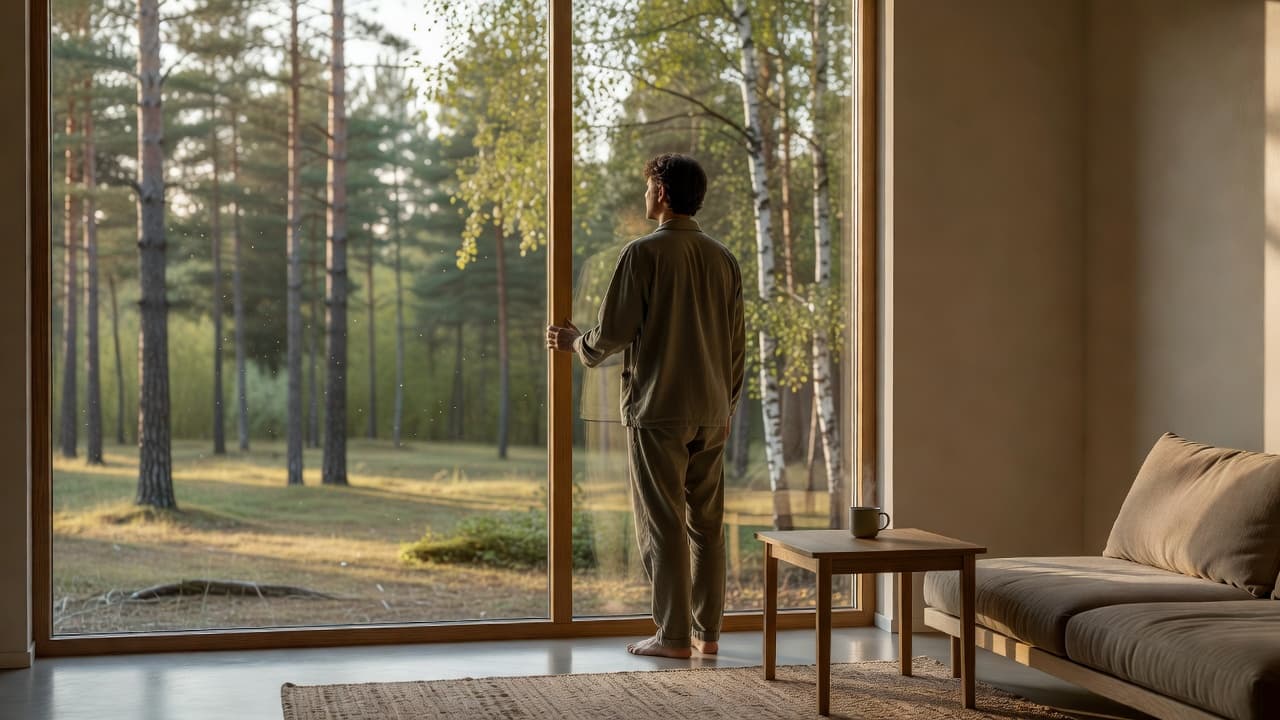
Better sleep should show up in real life, with steadier energy and less morning drag.
✨Featured Snippet✨
Medical News Today on waking up tired notes that sleep habits, environment, and other factors can leave you exhausted even after a full night in bed.
This is why people who sleep hot at night often say the same thing: “I was in bed long enough, but I never felt restored.” That can make warm-ups sluggish, patience shorter, and work slower because the brain keeps reaching for coffee before it reaches for clarity.
How to stop sleeping hot at night
You don’t need a 14-step ritual. Small, boring habits work better because we can actually keep them up.
- Optimize your bedroom temperature. The ideal sleep temperature is generally around 65 degrees Fahrenheit. Aim for a bedroom that feels slightly cool, not sealed up and stuffy. Use a fan or your air conditioning to improve circulation and ensure consistent airflow throughout the space. If the weather allows, crack a window and remove excess blankets before you get into bed.
- Lighten your sleep setup. Breathable sheets, lightweight sleepwear, and fewer layers matter more than fancy gadgets for most people. If your mattress traps heat, consider switching to a cooling mattress or using moisture-wicking fabrics like cotton and linen to keep perspiration at bay. Prioritize these breathable materials before deciding to invest in expensive bedding technology.

Breathable bedding helps your body lose heat instead of fighting your covers all night. Photo by Andrea Piacquadio
3. Eat earlier and drink lighter. A heavy late meal keeps your metabolism busy while you try to rest. Alcohol may make you feel sleepy at first, but many of us wake up feeling warmer and more restless later in the night. If your afternoon coffee makes your bedtime feel buzzy or overheated, move your daily caffeine cutoff to an earlier time.
4. Protect your body clock. Get morning light, even for 5 to 15 minutes, and keep your wake time fairly steady. If you want a clear starting point, these nightly sleep hygiene rituals for recovery line up well with what the body likes: rhythm, dim light, and fewer late-night decisions.
5. Move during the day. A walk, yard work, or a strength training session earlier in the day can improve sleep depth. Besides, physical activity supports mood, focus, and stamina, so the next afternoon does not feel like a struggle to stay awake.
6. Shut the day down before bed. If your bedroom doubles as an office, the mental association remains active. Move the laptop, stack your papers elsewhere, dim the lights, and jot down tomorrow’s first few tasks so your brain stops rehearsing them at midnight.
If you keep waking in the middle of the night hot and alert, read why you keep waking up at 3 AM. That pattern often has more to do with stress, light sleep, and timing than bad luck.
When stress, routine, and plant-based support all matter
Many hot sleepers keep chasing colder sheets when the real issue is that the day never felt finished. Unfinished work, bright screens, and a bedroom full of electronics can keep the nervous system in a state of high alert. When your body stays primed for battle, it often manifests as night sweats, which further disrupt your ability to achieve a deep, restorative sleep. The body reads that stress, then resists the smooth cool-down that good sleep needs.
Body-based ways to release stored stress safely can help you stop carrying the weight of the entire day into bed. If you enjoy plant-based support, keep your standards plain and high. Look for clean wellness products with premium plant extracts, simple labels, and third-party lab tested quality. A tea, gummy, or tincture can fit into a steady evening ritual, but it works best when the room, timing, and habits are already pointed in the right direction.
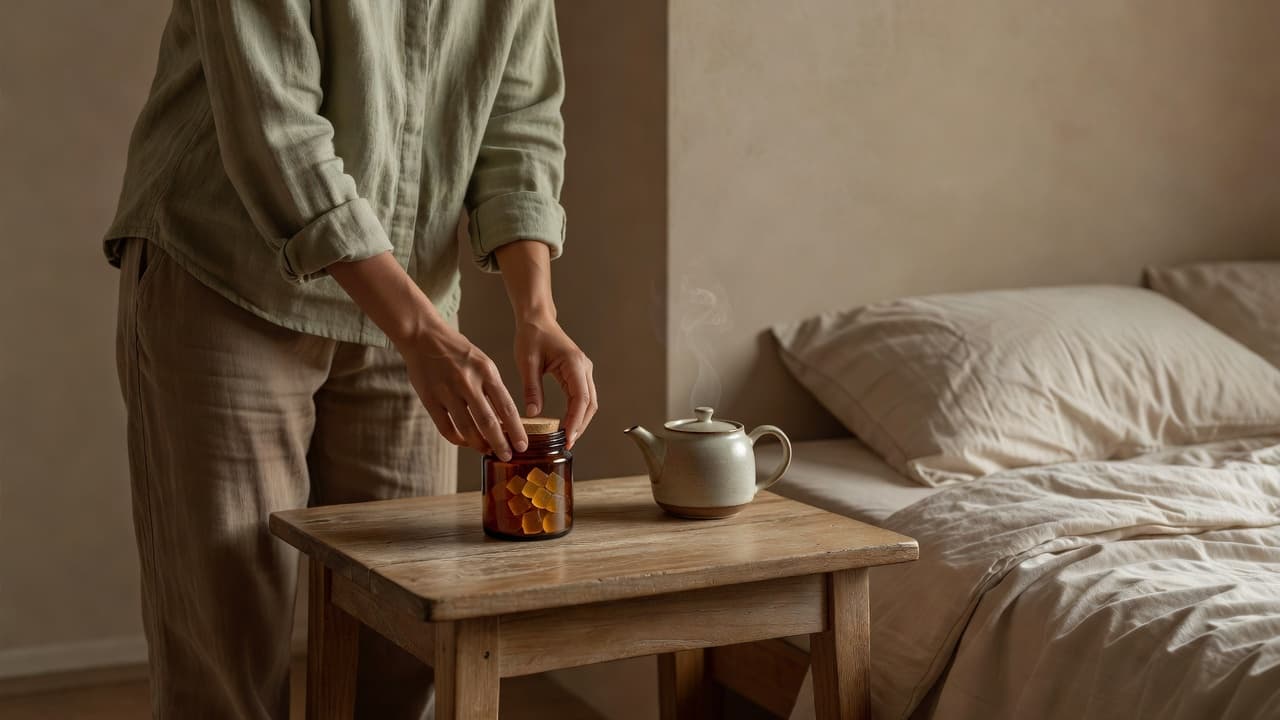
A simple, repeatable evening setup gives your body fewer mixed messages after dark.
Self-Assessment Checklist
✅ I fall asleep with the TV, phone, or laptop still going.
✅ My room feels warm or stuffy after midnight.
✅ I eat late, drink alcohol late, or both.
✅ I wake up frequently due to excessive sweating.
✅ My wake time changes a lot through the week.
✅ I wake at 3 a.m. or later feeling hot, alert, or mentally busy.Educational Insights: If you checked 1 or 2, your room may be the biggest issue. If you checked 3 or 4, your body might be struggling with temperature regulation or mixed timing signals. If you checked all 5, stress and bedtime habits may be keeping your system on guard after dark.
A cooler night starts earlier than bedtime
When you sleep hot at night and wake up feeling unrested, the answer usually isn’t one miracle fix or simply lowering your thermostat setting. Instead, the best way to improve your sleep environment is by using a stack of small cues: a cooler room, steadier timing, lighter evenings, and a bedroom that feels like a dedicated sanctuary for rest.
That kind of night does more than just help you stay cool; it helps the next morning feel productive, the afternoon feel less foggy, and it allows you to feel more like yourself again.
Published By: